
Beds That Pull Out Another Bed: The Complete Guide
Need two sleeping spaces in one footprint? Learn how trundle, pop-up, and nested pull-out beds work, which designs suit guest rooms and small apartments, and what to check before you buy.
Jump to Buying ChecklistWhy this guide matters: A bed that pulls out another bed solves a very specific problem — hosting an extra sleeper without dedicating a second room to a mattress. But the category covers several very different mechanisms, and choosing the wrong one leads to a wobbly frame, a cramped mattress, or a second bed that never gets used comfortably.
This guide explains the main designs, how they differ in durability and daily usability, and which questions to answer before you commit. If you are still exploring frame styles more broadly, our complete bed frames overview is a good companion read.
What Counts as a Bed That Pulls Out Another Bed?
The phrase describes any bed with a secondary sleep surface stored inside or beneath the primary one. The second bed slides, pops, or folds out when needed, then returns to a hidden position when the room goes back to its normal layout. The most common formats are:
- Trundle beds — a low platform on casters slides out from underneath the main frame, usually holding a twin mattress.
- Pop-up trundle beds — the stored platform lifts to sit level with the main mattress, creating a side-by-side double sleeping area.
- Nested or stacked designs — two complete bed frames nest together, with the lower one pulling out on rails or wheels.
- Pull-out sofa-style beds — a folding mechanism expands into a flat sleep surface, common in studio and multipurpose rooms.
If your priority is hidden storage rather than a second mattress, a storage bed with underneath compartments may be a better fit. If you specifically want the second bed to slide out, keep reading — the mechanism details below are where most buying mistakes happen.
Trundle vs. Pop-Up vs. Nested: How the Main Designs Compare
Each design solves the two-bed problem differently. The table below compares them by tier, best use case, and the trade-offs you should expect. Tiers here describe build position in the market, not any specific figure.
| Design | Typical Tier | Best For | Key Trade-Off |
|---|---|---|---|
| Standard trundle (low slide-out) | Entry-level to mid-range | Guest rooms, kids' rooms, sleepovers | Second sleeper sits low; mattress height is limited |
| Pop-up trundle | Mid-range to premium | Couples hosting guests, rooms needing a level double | Lift mechanism adds weight and needs clearance checks |
| Nested twin-over-twin frame | Mid-range | Small apartments, shared kids' rooms | Both mattresses must match the frame's nesting height |
| Pull-out sofa / folding mechanism | Essential tier to high-end tier | Studio apartments, home offices, multipurpose rooms | Folding sleep surface is less supportive for nightly use |
Two related options are worth knowing before you decide. A bed with a trundle is the most familiar pull-out format and is usually the easiest to source in both kids' and adult sizes. A bed that hides another bed underneath covers the broader family of nested and stacked designs, including some that are not strictly trundles.
How to Choose the Right Pull-Out Bed
1. Decide how often the second bed will be used
Occasional guest use tolerates a lighter mechanism and a thinner mattress. Nightly or near-nightly use demands a reinforced frame, smoother casters or rails, and a mattress rated for regular sleeping. Entry-level folding designs are fine for a few nights a month; they are not built for permanent second-sleeper duty.
2. Measure the pull-out clearance, not just the closed footprint
The most common installation mistake is measuring only the bed's stored dimensions. A slide-out trundle needs clear floor space in front of the frame, and a pop-up design needs vertical clearance as the platform rises. Check the manufacturer's extension depth and add a walking gap. If the room is tight, our guide to beds for small rooms covers layout strategies that pair well with pull-out designs.
3. Match the mattress to the mechanism
Trundle trays usually accept a twin mattress within a defined thickness range — often around 8 inches, though this varies by model. Pop-up designs may allow a slightly thicker mattress because the platform rises to match the main bed. Nested frames often require both mattresses to be the same height so the upper frame rests correctly. Never assume a spare mattress you already own will fit; confirm the range first.
4. Check the frame material and mechanism quality
Look for solid build details: reinforced corner joints, metal-to-metal connections at stress points, smooth-gliding casters with locking brakes, and a rust-proof finish on metal components. A mid-range model with a heavy-duty slide mechanism usually outlasts an entry-level frame with plastic glides. For heavier sleepers, pair the design with a frame rated for higher weight capacity rather than pushing a light trundle past its limit.
5. Consider the room's long-term flexibility
A pull-out bed is a space-planning decision as much as a furniture purchase. If the room may later become a full-time bedroom, a nested frame that separates into two standalone beds offers more flexibility than a folding sofa mechanism. If the room doubles as an office, a design that tucks completely away preserves floor area during the day.
Design, Safety, and Comfort Details Worth Checking
- Caster locks: the pull-out platform should lock in both the stored and extended positions so it does not roll during the night.
- Weight distribution: a pop-up platform carries more leverage than a low slide-out; check that the lift frame is rated for the mattress plus sleeper.
- Mattress edge support: the second mattress often sits at the room's edge, so a mattress with firmer edges feels more stable.
- Bedding logistics: a low trundle may need a dedicated sheet set and a lighter comforter; a pop-up design can usually share standard bedding with the main bed.
- Assembly and moving: nested and pop-up frames are heavier and bulkier than standard frames — confirm doorway and stair clearance before ordering.
For rooms where the second bed needs to disappear entirely rather than slide out, compare with beds that fold up against the wall or wall-mounted pull-down beds. Those designs trade easy setup for maximum floor recovery.
Who Benefits Most from a Pull-Out Bed?
These beds suit a recognizable set of households: guest rooms that need to sleep two without a second permanent bed, kids' rooms where sleepovers are frequent, studio apartments and beds for studio apartments where every square foot is shared, and home offices that occasionally host overnight visitors. They are also a practical choice for multigenerational homes where a spare sleep surface needs to be available without dominating the room.
They are a weaker fit for households that need two genuinely equal, permanently made-up beds, or for sleepers who need a specific mattress profile for back support. In those cases, two separate beds or an adjustable setup is the more honest solution.
Buying Checklist Before You Commit
- Measured the extended footprint, including walking clearance in front of the frame.
- Confirmed the second mattress thickness and size range accepted by the mechanism.
- Verified the frame's weight capacity against the intended sleeper.
- Checked that casters or rails lock securely in both positions.
- Reviewed the frame material and joint construction, not just the finish.
- Planned bedding for the second mattress — size, depth, and storage.
- Confirmed assembly requirements and doorway clearance for delivery.
Best Beds That Pull Out Another Bed
⚠️ AFFILIATE DISCLOSURE: This website contains affiliate links. As an Amazon Associate, we earn from qualifying purchases. If you make a purchase through these links, we may receive a small commission at no additional cost to you. Read our full affiliate policy.

FAVSH Queen Bed Frame with 2 Wooden Storage Drawers & Pull‑Out Trundle Bed,Upholstered Platform Bed Frame Queen Size with Adjustable Headboard,Wood Slats Support,No Box Spring Needed,Dark Gray
Check price on Amazon
Winzoo Boneless Loveseat Folding Sofa Bed, Foldable Floor Futon Sleeper Couch Bed - Convertible Sofa Bed, Corduroy Pull Out Sofa Bed with 2 Pillows for Living Room & Bedroom
Check price on Amazon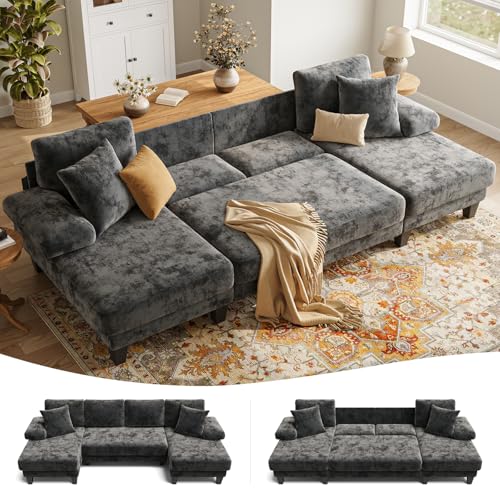
Txtin's Sleeper Sofa with Pull Out Couch Bed | 112 Inch Couches for Living Room | U-Shaped Convertible Sofa Bed | Chenille Dark Grey
Check price on Amazon
BALUS 2 in 1 Queen Size Sleeper Chair Pull Out Sofas Couch with Pullout Beds, 43" W Convertible Guest Sleepers Chair Bed Sofabed with Pillows and Mattress for Living Room Apartment Loft, Beige
Check price on Amazon
VINGLI Twin Daybed with Pop Up Trundle,LED Lights, Charging Station,Black | Pull Out Metal Daybed with Pop Up Trundle Bed Twin, Pull Out Bed with Steel Heavy DutySlat Support, Faux Leather Headboard
Check price on Amazon
Convertible Sofa Bed Queen,5-in-1 Tri-Fold Boneless Couch with Removable Armrests & Handle,Corduroy Futon Sleeper Sofa,Floor Folding Mattress Pull Out Bed for Small Space Living Room Bedroom,Black
Check price on Amazon
Pull Out Sofa Bed, No Cushion Removal,Queen Sleeper Sofa,Chenille Dark Grey | USB Fast Charging, Memory Form Mattress, 2-in-1 Convertible Comfy Loveseat Couch Bed for RV, Apartment, Small Spaces
Check price on Amazon
VEVOR Full Size Daybed with Pop Up Trundle Twin Size Metal Day Bed Frame | for Living Room Bedroom Guest Room, Sturdy Metal Design, Space Saving Sofa Bed, 2 Lockable Casters, Easy Assembly, Black
Check price on AmazonFrequently Asked Questions
What is a bed that pulls out another bed called?
They are most often called trundle beds, pop-up trundle beds, or nested beds. The extra sleep surface slides out from underneath or rises beside the main mattress, depending on the mechanism.
Are pull-out beds comfortable enough for regular sleeping?
With a supportive mattress and a reinforced mechanism, yes — but the design matters. A premium pop-up trundle with a proper mattress is a very different sleeping experience from an entry-level folding frame with a thin pad. Match the build tier to how often the bed is used.
What mattress size fits a trundle?
Most standard trundles accept a twin mattress within a defined thickness range, commonly around 8 inches. Pop-up and nested designs vary more, so always confirm the manufacturer's accepted size and thickness before pairing a mattress.
Do these beds work in small rooms?
Yes — they are one of the most effective space-saving solutions because two sleep surfaces occupy roughly the footprint of one bed when the second is stored. The key is measuring the extended clearance, not just the closed dimensions.
Ready to Compare Pull-Out Bed Options?
Browse hand-picked models that pull out another bed, filtered by design and tier, so you can match the mechanism to your room and your guests.
Explore Options