Bedside Sleeper Guide: The Complete Attachable Bassinet Handbook
Everything new parents need to know about bedside sleepers — how they attach to your bed, which safety features matter most, sizing for newborns, and how to choose the right model for your nursery setup.
Explore Recommended ModelsWhy bedside sleepers matter: A bedside sleeper lets you keep your newborn within arm's reach during the night while still giving them their own firm, flat sleep surface. For nursing parents and light sleepers, this arrangement can mean faster nighttime feedings, less middle-of-the-night walking, and more rest for the whole household. This guide walks you through the mechanics, safety requirements, and tier-by-tier differences so you can make a confident decision.
What Exactly Is a Bedside Sleeper?
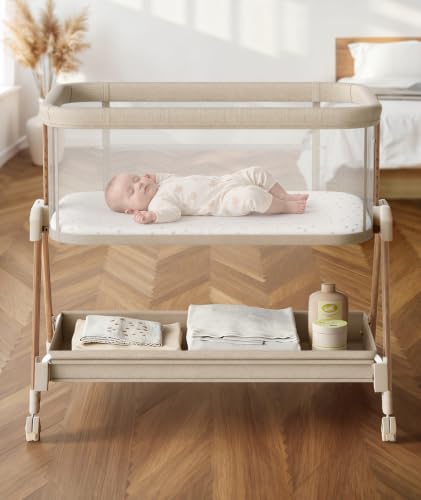
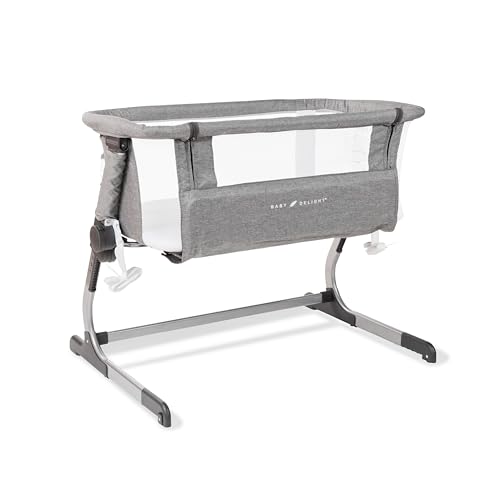
A bedside sleeper — sometimes called an attachable bassinet or co-sleeper bassinet — is a freestanding infant sleep space designed to sit directly against the side of an adult bed. The key distinction from a standard bassinet is the open side panel: the wall facing the adult mattress drops down or unzips, and a strap or anchor system secures the unit to the adult bed frame so it cannot drift away during the night.
This design lets parents reach a baby without getting out of bed, which is especially useful during the cluster-feeding phase in the first weeks. Unlike bed-sharing, the baby still sleeps on a separate, firm, flat surface with its own breathable mesh walls — a setup that aligns with safe sleep guidance from pediatric organizations.
Most models on the market today fall into a few recognizable categories: the classic metal-frame attachable bassinet, the rocking-and-stationary convertible unit, and the larger bassinet-plus-playard hybrids that extend usable life beyond the newborn months. If you are still deciding between a dedicated bassinet and a full crib, our guide to bedside bassinets breaks down the transition timeline in more detail.
How Attachable Bassinets Actually Work
Understanding the attachment mechanism is the single most important part of choosing a bedside sleeper, because the entire safety case rests on it. Most units use one of three systems:
Strap-to-Bed Anchor
A fabric or webbing strap loops around the adult mattress base or bed frame and tension-locks the sleeper flush against the bed. This is the most common system and works on most standard bed frames.
Drop-Side Panel
The wall facing the adult bed unzips or folds down to create a shared opening. The remaining three walls stay up in breathable mesh, maintaining airflow and a visual barrier.
Height Adjustment
Adjustable legs let you match the sleeper's rim to the height of your adult mattress. A proper match prevents gaps where a baby could become wedged.
Rocking Lock
Many mid-range and premium units convert between a gentle rocking mode and a locked stationary mode. Always lock the unit flat for overnight sleep.
Before buying, measure your adult bed height from floor to mattress top, then confirm the sleeper's adjustable range covers that number. A unit that cannot sit flush with your mattress — leaving a gap or an overhang — is not safe to use as a bedside sleeper, regardless of how well it performs in other areas.
Bedside Sleeper Safety: What to Verify Before You Buy
Infant sleep products are held to specific safety standards, and a bedside sleeper is only safe when it is assembled and used exactly as the manufacturer intends. Run through this checklist before your first night:
Pre-Purchase Safety Checklist
- Firm, flat mattress pad with no soft padding, pillows, or quilts inside the sleep area
- Breathable mesh on all visible sides for airflow and visibility
- Secure attachment strap that locks the unit tight against the adult bed with no gap
- Height adjustment range that matches your adult mattress top
- Locking mechanism that prevents rocking or folding during sleep
- Stable, wide base that resists tipping even when a toddler leans on it
- Clear weight and height limits printed on the product and manual
- Certification to the current infant bassinet safety standard in your region
Once the baby can push up on hands and knees, roll over, or sit unassisted — usually somewhere between four and six months — the bedside sleeper phase is over. At that point, transition to a full crib with a firm mattress. Our guide to beds and sleep foundations covers the next stage of the sleep setup in detail.
Bedside Sleeper Tiers: Entry-Level to Flagship
Rather than comparing models by numbers, it helps to think in tiers. Each tier reflects a different balance of materials, adjustability, and features. The classification below is consistent across this guide.
| Tier | Best For | Typical Characteristics |
|---|---|---|
| Entry-Level | Short-term newborn use, secondary sleep space | Simple strap anchor, basic mesh walls, limited height settings, lightweight frame |
| Mid-Range | Daily overnight use through the first months | Adjustable height range, rocking with lock, sturdier base, washable fabrics |
| Premium | Long-term use, convertible to playard or floor seat | Multi-mode conversion, reinforced frame, premium breathable fabrics, tool-free assembly |
| Flagship | Frequent travel, multi-child households | Commercial-grade frame, one-hand height adjustment, travel bag, extended warranty |
A mid-range model usually offers noticeably smoother height adjustment and a more secure anchor than an entry-level unit, which matters if you plan to use the sleeper every night. Premium and flagship tiers make more sense for families who expect to reuse the product across multiple children or who travel regularly.
Sizing and Fit: Matching the Sleeper to Your Bed
Bedside sleeper sizing is about two numbers: the internal sleep area and the external footprint. The internal area should comfortably accommodate a newborn without excess room; a sleep surface that is too large can let a small infant drift toward the edges. The external footprint needs to clear your nightstand and leave a walkway on at least one side of the bed.
For small bedrooms, narrow bedside sleepers that tuck between the bed and the wall are the practical choice. If space is tight around the adult bed, our roundup of bedside tables for small bedrooms shows how to keep nighttime essentials within reach without crowding the sleeper's footprint. Parents who prefer a more permanent nightstand setup can compare options in our bedside table buying guide.
Also consider your own bed height. Adjustable-height sleepers typically span a range that covers most standard mattresses, but very tall platform beds or very low floor beds may fall outside that range. Measure before you commit.
Setting Up the Sleep Zone Around the Sleeper
A bedside sleeper works best as part of a calm, uncluttered sleep zone. Keep the area around the sleeper free of loose blankets, cords, and toys. A dim, warm-toned light makes nighttime feedings easier without fully waking the household — our guide to bedside lamps covers low-glare options that suit a nursery corner.
If you read or feed in bed, a focused bedside reading light that directs light away from the sleeper keeps the baby's side of the room dark. Parents who want charging and lighting in one unit can explore bedside table lamps with USB ports to keep a phone or monitor charged nearby.
For multi-purpose rooms, a small bedside cabinet shelf or a compact bedside end table with drawers keeps diapers, wipes, and burp cloths organized within arm's reach. Families with limited floor space often pair the sleeper with bedside tables in a set of two to balance the room visually.
Continue Planning Your Nursery
- Bedside Bassinet Guide — compare bassinet styles and transition timelines
- Bedside Sleepers That Attach to the Bed — attachment systems explained
- Wall-Mounted Bedside Reading Lights — space-saving lighting for tight rooms
- Bedside Tables with Storage — keep nursery essentials organized
- Bed Sheets Guide — breathable bedding for the adult bed
- Best Pillows — support for nursing parents and light sleepers
- Best Mattresses — choosing a supportive adult mattress
- Bedside Tables with Charging Stations — keep monitors and phones powered
Frequently Asked Questions
What is a bedside sleeper?
A bedside sleeper is an attachable bassinet that sits flush against the side of an adult bed. It gives parents easy nighttime access to their baby while keeping the infant on a separate, firm, flat sleep surface with breathable mesh walls.
How long can a baby use a bedside sleeper?
Most bedside sleepers support infants until they begin to push up on hands and knees, roll over, or reach the manufacturer's weight and height limits — typically around five to six months of age.
Is a bedside sleeper safe for newborns?
Yes, when used correctly. Choose a model with a firm flat mattress, a secure attachment strap, and breathable mesh sides. Always follow the manufacturer's assembly and use instructions, and never add soft bedding inside the sleep area.
Can a bedside sleeper replace a crib?
A bedside sleeper is a temporary newborn solution, not a crib replacement. Once a baby can roll, sit, or pull up, they should transition to a full crib or toddler bed that meets current safety standards.
Do bedside sleepers fit all bed heights?
No. Most models have an adjustable height range that covers standard mattresses, but very tall platform beds or very low floor beds may fall outside that range. Measure your bed height from floor to mattress top before purchasing.