Platform Beds
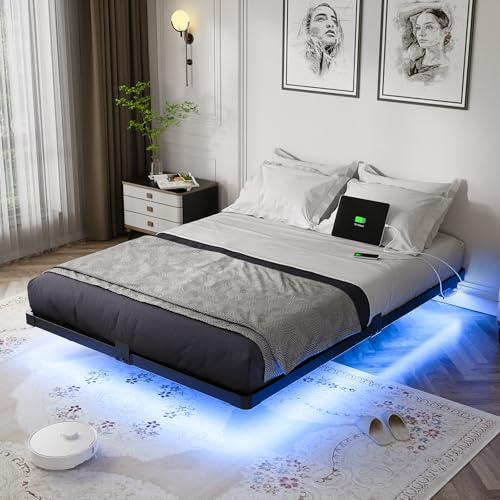
A low-profile frame with a slatted or solid base that supports the mattress directly. No box spring is needed, and the clean lines suit modern and minimalist rooms. Balanced tier

Choosing the right bed is the foundation of great sleep. This guide breaks down bed frame types, sizing, materials, and support systems so you can buy with confidence and build a bedroom that works for your body and your space.
Start the Buying ChecklistWhy this guide matters: Most shoppers arrive here already knowing they need a new bed. What they still need is clarity: which frame type fits their mattress, which size fits their room, and which build quality will hold up over the long run. This page answers those questions in plain language, with practical comparisons you can use before checkout.
Every bed frame does two jobs: it supports your mattress evenly, and it defines the look and footprint of your bedroom. The right choice depends on your mattress type, room size, and how much storage or adjustability you want. Below are the most common frame categories, described by what they are best suited for rather than by any pricing tier.
A low-profile frame with a slatted or solid base that supports the mattress directly. No box spring is needed, and the clean lines suit modern and minimalist rooms. Balanced tier
A classic design with a solid or slatted headboard and footboard. Sturdy and traditional, panel beds pair well with innerspring and hybrid mattresses. Essential tier
Recognizable by their curved headboard and footboard. Sleigh beds bring a soft, elegant silhouette to traditional bedrooms and often use solid wood construction. Premium
A four-poster frame that creates a dramatic focal point. Canopy beds work well in larger rooms and can be dressed with curtains for privacy or style. High-end tier
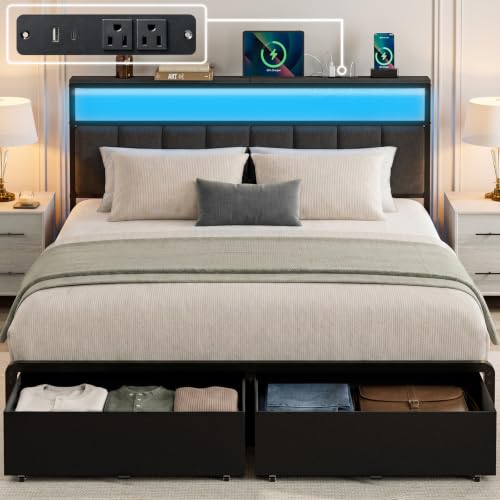
Built-in drawers or lift-up compartments underneath the mattress. Storage beds are a practical choice for smaller bedrooms where floor space is limited. Mid-range
Motorized frames that raise the head and foot sections. Adjustable beds are helpful for reading, reflux relief, and circulation support. Professional-grade
Often foldable or easy to assemble, metal frames offer durable construction and a lightweight footprint. High-grade steel models resist wear well over time. Starter tier
Fabric-wrapped headboards and frames that add softness and acoustic comfort. Upholstered beds suit bedrooms where coziness matters as much as support. Premium
Size is the single most common source of buyer regret. A bed that is too large crowds the room; one that is too small disrupts sleep for couples. Use the table below as a starting point, then measure your room, doorways, and stairwell before ordering. For deeper size-specific advice, see our guides on beds and full bed sets.
| Size | Best For | Room Consideration |
|---|---|---|
| Twin | Children, teens, guest rooms, single sleepers | Fits small rooms and shared kids' spaces |
| Full | One adult, small couples, first apartments | Good balance of comfort and floor space |
| Queen | Couples, most primary bedrooms | The most versatile size for average rooms |
| King | Couples who want maximum width | Needs a larger room with walking clearance |
| California King | Taller sleepers, longer couples | Extra length but narrower than a standard king |
When planning a smaller bedroom, consider bedside tables for small bedrooms and compact bedside tables for small rooms to keep the layout open. If you are furnishing a twin or full room, our twin bed set guide and full bed set guide cover coordinated bedding options.
Frame material affects durability, weight, noise, and how the bed feels over years of use. There is no single best material; the right pick depends on your priorities.
Solid wood frames offer durable construction and a warm, natural look. Hardwoods such as oak and maple resist wear well, while softer woods may show dents over time. Solid wood is a long-term investment for a primary bedroom.
Engineered wood uses composite panels with a veneer finish. It is stable, consistent in appearance, and often lighter than solid wood. Quality varies widely, so check joinery and edge finishing on mid-range and premium models.
Metal frames, especially those made from high-grade steel, are durable and resistant to warping. A rust-proof finish helps in humid climates. Metal frames are often the easiest to assemble and disassemble for moves.
Upholstered beds combine a structural frame with fabric or leather padding. The quality of the underlying frame matters most; premium models use reinforced corner blocks and dense foam. Fabric choice affects maintenance, so consider a performance fabric in busy households.
Across all materials, look for reinforced joints, center support legs on larger sizes, and a solid build. These details separate entry-level frames from top-tier construction and directly affect how long the bed stays quiet and stable.
Support is where many bed purchases go wrong. The frame you choose must match the mattress you own or plan to buy.
Slats allow airflow and provide flexible support. Closely spaced slats, ideally no more than a few inches apart, are best for foam and hybrid mattresses. Wide gaps can cause sagging and void warranties.
A solid platform offers even support and is well suited to foam mattresses. Solid bases reduce airflow, so moisture management matters in humid rooms.
Box springs add height and shock absorption for innerspring mattresses. Modern foam and hybrid mattresses typically do not need one, and some manufacturers specify a platform base instead.
Queen, king, and California king frames should include a center support rail and at least one center leg. This prevents the middle of the mattress from sagging and keeps the frame stable over time.
If you are assembling a new frame, our guide on assembling a bed frame covers tools and steps. For mattress-specific support advice, see the best mattresses guide and the best bed frames guide.
The frame and mattress are a system. A premium mattress on an inadequate base will underperform, while a well-built frame can extend the life of a mid-range mattress.
Use a platform bed with closely spaced slats or a solid base. Avoid flexible box springs, which can reduce support and cause premature sagging.
Innerspring mattresses pair well with panel beds and frames that accept a box spring. Check the mattress warranty for base requirements before buying.
Hybrid mattresses generally work on slatted platform beds with a center support. Confirm slat spacing with the manufacturer.
Latex is dense and heavy. Choose a reinforced frame with solid slats and a center rail on larger sizes to prevent flex and extend mattress life.
If you want to add comfort without replacing the mattress, a mattress topper can help. Pair it with quality bed sheets and supportive pillows for a complete sleep setup.
For a coordinated look, consider bedspreads and comforter sets, a white bedskirt, and matching bedside tables set of 2 to complete the room. If you are outfitting a child's room, our bedside bassinet guide and crib bedskirt guide cover the essentials.
Use the checklist above, compare frame types against your mattress and room size, and browse our curated recommendations to find a bed built for your sleep style.
View Recommended Beds⚠️ AFFILIATE DISCLOSURE: This website contains affiliate links. As an Amazon Associate, we earn from qualifying purchases. If you make a purchase through these links, we may receive a small commission at no additional cost to you. Read our full affiliate policy.



The information provided on SleepWisePicks is for educational and informational purposes only. We are not medical professionals, and our content should not replace professional medical advice, diagnosis, or treatment. Always consult with your physician or sleep specialist regarding sleep disorders or chronic pain. Some content may use AI assistance. Always check product safety standards and certifications before purchasing. If you do not agree, please do not use this website. Read the full disclaimer.