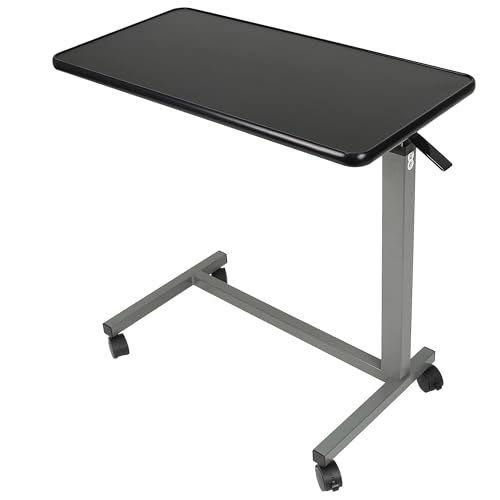
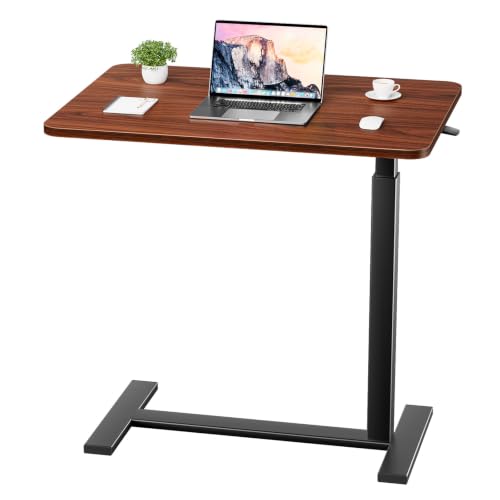
Bedside Table with Wheels: The Complete Buyer's Guide
Mobility meets bedside convenience. Learn how rolling nightstands solve space, access, and cleaning challenges — and how to pick the right one for your bedroom.
Why a bedside table with wheels deserves a place in your bedroom: A fixed nightstand anchors a room, but a wheeled one adapts to it. Whether you are navigating a compact apartment, caring for a family member, or simply want a surface that follows you, a mobile bedside table delivers practical flexibility without compromising on style or storage.
What Is a Bedside Table with Wheels?
A bedside table with wheels — also called a rolling nightstand, mobile bedside cabinet, or bedside cart — is a compact storage unit fitted with casters on the base. It sits beside the bed like a traditional nightstand but can be rolled away in seconds. The concept borrows from medical and hospitality furniture, where mobility is essential, and has evolved into a mainstream bedroom design category.
Modern versions range from open-frame carts with a single shelf to enclosed cabinets with drawers and charging stations. Some models pair casters with a handle for easy pulling; others hide wheels behind a skirt or recessed base for a cleaner look. The common thread is versatility: the table moves to where you need it, then locks in place when you do not.
Key Benefits of a Rolling Bedside Table
- Effortless cleaning: Roll the table aside to vacuum or mop underneath — no more blind spots or strained lifting.
- Small-space adaptability: In studios or guest rooms, a wheeled table can serve as a nightstand by day and a side table or serving cart when needed.
- Accessibility support: For anyone with limited mobility or recovering from surgery, keeping essentials within rolling reach reduces strain.
- Flexible room layouts: Rearranging furniture or switching between bed positions becomes a one-person task.
- Multi-room use: Move it from bedroom to living area for extra surface space without buying a second piece.
Caster Types Explained
The wheel mechanism is the defining feature of this furniture category. Choosing the right caster type matters more than most buyers expect:
Locking vs. Non-Locking Casters
Locking casters engage a brake that prevents rolling and swiveling. They are strongly recommended for any bedside table that holds a lamp, charging station, or glass of water. Non-locking casters suit tables used mostly for lightweight items or frequent repositioning.
Wheel Material and Floor Compatibility
- Polyurethane or rubber: Best for hardwood, tile, and laminate — soft treads protect finishes and roll quietly.
- Nylon or plastic: Durable and smooth on carpet, but can scratch hard floors without a protective tread.
- Twin-wheel casters: Distribute weight better and roll more easily over plush carpet.
Caster Size
Larger wheels (typically around 2 inches and above) roll over thresholds and rug edges more smoothly. Smaller casters keep the table lower and more visually streamlined but struggle with thick carpet pile.
Storage Configurations to Consider
Wheeled bedside tables come in several storage formats. Match the configuration to how you actually use your nightstand:
| Configuration | Best For | Trade-Off |
|---|---|---|
| Open cart with shelf | Light essentials, books, tablets | No dust protection or concealment |
| Single drawer + open shelf | Balanced storage and display | Limited concealed capacity |
| Multi-drawer cabinet | Medication, chargers, personal items | Heavier; needs sturdy casters |
| Two-tier cart with handle | Multi-room use, serving, crafts | Less bedroom-specific styling |
If drawer storage is a priority, explore the broader category of white bedside tables with drawers to compare fixed and mobile options. For a wood-toned look, wooden three-drawer bedside tables offer a classic alternative.
Materials and Build Quality
Because wheels introduce movement and vibration, material choice affects longevity more than on a stationary nightstand. Consider these tiers:
- Essential tier: Engineered wood or MDF with laminate finish. Adequate for light use; check that the base is reinforced at caster mounting points.
- Mid-tier: Solid wood frames or metal-and-wood combinations. Better weight distribution and smoother rolling over time.
- Premium tier: Hardwood construction with metal-reinforced caster plates and high-grade steel hardware. These are long-term investments for daily use.
Weight capacity matters too. A table intended to hold a lamp, books, and electronics should be rated accordingly — check the manufacturer's stated load limit rather than assuming.
Size and Placement Guidance
A bedside table should sit roughly level with the mattress top or slightly lower for comfortable reach. Standard widths range from compact 15-inch carts to 24-inch cabinets. Measure the gap between your bed and the nearest wall or wardrobe before buying — wheeled tables need a few extra inches of clearance to roll out.
If floor space is especially tight, consider a model that tucks partially under the bed frame, or pair your rolling table with a wooden bedside bench for a layered bedroom setup. For coordinated storage across the room, browse wardrobes that match your chosen finish.
Who Should Choose a Wheeled Bedside Table?
- Renters and studio dwellers: Furniture that adapts to changing layouts without tools.
- Caregivers and people with limited mobility: Essentials stay reachable with minimal effort.
- Guest rooms: Roll the table out of the way when the room is unused.
- Hobbyists and remote workers: A mobile surface for supplies or a laptop that returns to the bedside at night.
If your priority is purely aesthetic and the room is spacious, a fixed cabinet may suit you better — browse options like this white pedestal bedside table for a sculptural, stationary alternative.
Final Buying Checklist
- Confirm caster type matches your flooring (rubber for hard floors, twin-wheel for carpet).
- Check for locking brakes if the table will hold a lamp or electronics.
- Measure clearance between bed and walls — add two to three inches for rolling room.
- Verify the height aligns with your mattress top for comfortable reach.
- Inspect caster mounting points for reinforcement, especially on engineered wood models.
- Match storage configuration to your nightly routine: open shelf for books, drawers for small items.
- Consider finish coordination with existing pieces like a dresser and bedside table set.
Ready to Roll?
Explore recommended bedside tables with wheels in our curated product section below — hand-picked for mobility, stability, and everyday bedroom use.
Frequently Asked Questions
What are the benefits of a bedside table with wheels?
A bedside table with wheels offers effortless mobility, making cleaning and rearranging simple. It is ideal for small spaces, multi-use rooms, and anyone who needs to move essentials close at hand without lifting heavy furniture.
Are wheeled bedside tables stable enough for daily use?
Yes. Mid-range and premium models often include locking casters that secure the table in place once positioned. Look for reinforced frames and quality wheel mechanisms for reliable everyday stability.
How do I choose the right caster type for a bedside table with wheels?
For hard floors, smooth polyurethane or rubber casters protect surfaces. For carpet, larger twin-wheel casters roll more easily. Locking casters are recommended if the table doubles as a stable surface for lamps or devices.
Can a wheeled bedside table hold a lamp safely?
Yes, provided the table has locking casters and a stable, level top. Always engage the brakes when the lamp is in use, and route cords away from the wheels to prevent snagging.
What is the ideal height for a bedside table with wheels?
The table top should sit roughly level with your mattress top or slightly below. This keeps items within easy reach while lying down and prevents awkward stretching.