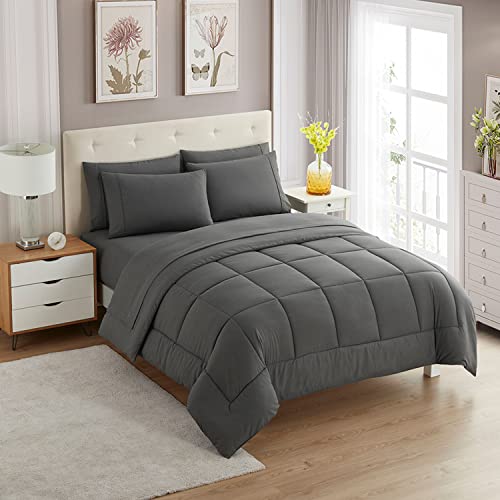
Full Size Bedspreads: The Complete Buying Guide
Everything you need to choose a bedspread that fits your full bed properly, suits your style, and holds up to everyday use. From drop length and fabric to care and layering, this guide walks you through it step by step.
Explore Recommended OptionsWhy this guide matters: A full size bed is one of the most common mattress sizes, yet many shoppers end up with a bedspread that is too short on the sides or too long at the foot. Getting the measurements and fabric right the first time saves you from returns and helps your bed look intentional rather than improvised. This guide focuses specifically on full size bedspreads so you can buy with confidence.
What Makes a Bedspread a Good Fit for a Full Bed?
A bedspread is a single, relatively thin bed covering designed to drape over the mattress and often the pillows. Unlike a duvet cover or a comforter, a bedspread is meant to cover the whole bed in one piece, giving a tidy, finished look. For a full size bed, the fit depends on three things: the mattress dimensions, the drop length you want, and the style of the bed frame itself.
A standard full mattress measures about 54 inches wide by 75 inches long. A full size bedspread typically measures around 80 inches wide by 110 inches long, but these numbers vary between brands. The extra width and length provide the drop on the sides and the foot of the bed. Before you shop, measure your mattress and your frame, then compare those numbers against the product dimensions listed by the seller.
If you are still deciding on the bedding layer above your mattress, it helps to understand how bedspreads compare with other options. Our broader collection of bedspreads covers styles from lightweight summer covers to quilted designs, and it can give you a useful overview before narrowing down to the full size category.
Full Size Bedspread Dimensions at a Glance
| Element | Typical Measurement | What It Means for You |
|---|---|---|
| Full mattress | 54 in wide × 75 in long | The base size your bedspread needs to cover. |
| Full size bedspread | Roughly 80 in wide × 110 in long | Gives a generous drop on three sides for most beds. |
| Short drop | About 12–15 in per side | Best for platform beds and low profiles. |
| Standard drop | About 18–21 in per side | Hides the mattress side and most bed frames. |
| Long drop | About 22–24 in per side | Suits taller beds and conceals under-bed storage. |
Use this table as a starting point, then verify against the exact product listing. Some brands cut their full size bedspreads closer to 78 inches wide, while others go up to 84 inches. A difference of a few inches changes how much fabric reaches the floor.
How to Choose the Right Drop Length
Drop length is the distance from the top edge of the mattress down to where the bedspread ends. It is the single biggest factor in how a bedspread looks on a full bed. Too short, and the mattress and frame show; too long, and the fabric pools on the floor or drags when you sit on the edge.
Measure from the top of your mattress to the floor, then subtract the amount of clearance you want at the bottom. For a tailored look, many people choose a drop that ends a few inches above the floor. For a relaxed, draped look, let the fabric fall closer to the floor. Account for any bed skirt or base you already have, since a bedspread that ends above the skirt creates a layered effect.
Quick measurement method
Place a tape measure at the top edge of the mattress on one side. Let it hang straight down to the height where you want the bedspread to stop. Note the number. Repeat at the foot of the bed, since some frames are taller there. Use the larger number as your target drop.
Platform beds and low-profile frames usually look best with a shorter drop because there is less frame to conceal. Traditional beds with a visible base or under-bed storage tend to suit a longer drop. If you like the look of a fully covered bed with no visible mattress edge, aim for the standard or long drop column in the table above.
Bedspread Fabrics for Full Beds
The fabric affects how the bedspread drapes, how it feels against your skin, how easy it is to clean, and how well it holds color over time. Here is how the most common options compare for a full size bed.
Cotton and Cotton Blends
Cotton is breathable, soft, and widely available. It drapes well and works across seasons. Cotton blends with polyester add wrinkle resistance and durability, which is useful for a bed that gets daily use. Most cotton bedspreads are machine washable, making them a practical choice for households with pets or children.
Linen
Linen has a relaxed, textured look and excellent breathability. It softens with each wash and suits warm bedrooms. Pure linen wrinkles easily, so it is best for people who like an effortless, lived-in aesthetic rather than a crisp hotel look. Linen bedspreads are often a long-term investment because the fibers strengthen over time.
Microfiber and Synthetic Blends
Microfiber is smooth, durable, and resistant to shrinking and fading. It tends to be lighter in weight and easy to care for. Synthetic blends can imitate the feel of cotton at a lower material tier, but they may trap heat more than natural fibers. Check the care label, since some synthetics need low heat to avoid pilling.
Quilted and Filled Bedspreads
Quilted bedspreads have a layer of batting between two fabric layers, stitched in a pattern. They add warmth and structure, which helps the bedspread hold its shape on a full bed. The quilting pattern also affects the look: dense stitching reads as tailored, while loose stitching feels softer and more casual. Filled bedspreads can be warmer, so they suit cooler bedrooms or year-round use in mild climates.
If you want to coordinate your bedspread with the rest of your bedding, our guide to bedsheets explains how sheet fabric and color choices interact with the top layer. Pairing a breathable sheet with a slightly warmer bedspread is a common way to balance comfort across seasons.
Popular Bedspread Styles for Full Beds
Style affects both the visual weight of the bed and how easy the bedspread is to use day to day. Here are the main styles you will encounter when shopping for a full size bedspread.
Quilted Coverlet
A lightweight quilted bedspread with a simple stitched pattern. Easy to wash, easy to layer, and a solid choice for everyday use on a full bed.
Tailored Bedspread
A structured bedspread with a defined drop and often a piped or hemmed edge. Gives a neat, hotel-style finish and hides the mattress sides cleanly.
Matelassé or Textured
A textured, often heavier bedspread with a woven pattern. Adds visual depth and a premium feel, and tends to drape in soft folds on a full bed.
Other styles worth considering include patchwork and printed bedspreads, which add pattern without extra layers, and reversible bedspreads, which give you two looks in one piece. For a coordinated set that includes matching shams or pillow covers, a full bedspread set can simplify shopping because the pieces are designed to work together.
If your full bed is part of a guest room or a shared space, a tailored or quilted style tends to be the most versatile. For a primary bedroom where you want a softer look, a textured or matelassé bedspread adds interest without feeling heavy.
Coordinating Your Full Size Bedspread With the Room
A bedspread covers a large surface area, so its color and pattern set the tone for the bedroom. Neutral tones such as white, beige, gray, and soft green are easy to live with and make it simpler to change accent pillows or curtains later. Deeper colors and bold patterns create a focal point but may limit how easily you can restyle the room.
Consider the other fabrics in the room. If your curtains are heavy and dark, a lighter bedspread can keep the room from feeling closed in. If your walls are light and the furniture is minimal, a textured or patterned bedspread adds warmth. Our collection of bedspreads and comforter sets includes coordinated options if you prefer a matching look across the bed.
Layering a Bedspread on a Full Bed
Bedspreads work well as the top layer, but you can still layer underneath for comfort. A common approach is a fitted sheet, a flat sheet, a light blanket in cooler months, and the bedspread on top. If you use a bedspread that covers the pillows, fold the top edge back neatly so the pillow area looks intentional rather than bunched.
For a fuller look, add a bed skirt or a base layer under the bedspread. This is especially useful on a full bed with a taller frame, where the bedspread drop may not reach the floor. The combination of a bedspread and a skirt gives a layered, finished appearance without needing an oversized cover.
Quality Tiers: What to Expect at Each Level
Full size bedspreads vary in construction quality, and the differences show up in stitching, fabric weight, and how well the cover holds its shape after washing. The tiers below use relative positioning rather than absolute figures, so they stay useful regardless of market changes.
| Tier | Typical Characteristics | Best For |
|---|---|---|
| Entry-level | Lighter fabric, simpler stitching, basic hem finish | Guest rooms, seasonal swaps, first-time buyers |
| Mid-range | Denser weave, reinforced seams, better color retention | Daily use in primary bedrooms and family homes |
| Premium | Heavier fabric, precise quilting, refined edge details | Long-term use, visible bedrooms, design-focused spaces |
| Luxury | High-grade natural fibers, artisanal finishing, substantial drape | Statement beds, formal guest suites, collectors of fine textiles |
A mid-range bedspread is usually the sweet spot for a full bed that gets used every day. The construction is durable enough to withstand regular washing, and the fabric holds its color better than entry-level options. Premium and luxury tiers make sense when the bedspread is a visible design element or when you want the fabric to last for many years.
Caring for a Full Size Bedspread
Proper care extends the life of your bedspread and keeps it looking crisp on the bed. Always start with the care label, because fiber content determines the safest method.
- Washing: Most cotton, linen blends, and microfiber bedspreads are machine washable in cold or warm water on a gentle cycle. Use a mild detergent and avoid overloading the machine, since a full size bedspread takes up significant space.
- Drying: Tumble dry on low heat and remove the bedspread while it is slightly damp to reduce wrinkles. High heat can shrink natural fibers and damage quilting.
- Quilted and filled styles: Wash less often and use a gentle cycle to protect the batting. Air drying flat is safest when the label allows it.
- Silk and specialty fabrics: Follow the label closely. Many require professional cleaning or careful hand washing.
- Storage: Store clean and fully dry in a breathable cotton bag rather than a sealed plastic bin, which can trap moisture and cause odors.
Rotating between two bedspreads is a simple way to reduce wear on each one and keep the bed looking fresh. It also gives you a seasonal option without buying a separate set for every season.
A Simple Buying Checklist for Full Size Bedspreads
Before you finalize a purchase, run through these checks. They address the most common reasons people return a bedspread or end up unhappy with the fit.
- Measure the mattress and frame. Confirm the full mattress dimensions and the height from the top of the mattress to the floor.
- Check the product dimensions. Compare the listed width and length against your measurements, and calculate the actual drop on each side.
- Match the drop to the frame. Choose a shorter drop for platform beds and a longer drop for taller frames or under-bed storage.
- Choose a fabric for your climate and routine. Breathable cotton or linen for warm rooms, quilted or filled styles for cooler rooms, microfiber for easy care.
- Confirm the care requirements. Make sure the washing and drying instructions fit your household routine.
- Plan the layering. Decide whether you need a bed skirt, a blanket underneath, or matching shams.
- Review the return policy. Check the seller's policy before ordering, especially for textiles you cannot inspect in person.
If you are also refreshing the surrounding furniture, our guides to bedside tables with storage and bedside lamps can help you coordinate the whole room around the new bedspread.
Ready to Choose Your Full Size Bedspread?
Browse recommended full size bedspreads that match the fit, fabric, and style guidance in this guide. Compare features and find the option that suits your bedroom.
See Recommended OptionsFrequently Asked Questions
What size bedspread fits a full size bed?
A full size mattress measures roughly 54 by 75 inches. A full size bedspread usually measures around 80 by 110 inches, giving a generous drop on three sides. Always check the product dimensions, because drop length varies by brand and style.
How do I choose a bedspread drop for a full bed?
Measure from the top of the mattress to the point where you want the fabric to end. A short drop of about 12 to 15 inches suits platform beds, while a longer 20 to 24 inch drop works well on taller beds and hides storage underneath.
Is a bedspread or a comforter better for a full size bed?
A bedspread is typically thinner, covers the entire bed including pillows in some styles, and gives a neat tailored look. A comforter is puffier and warmer but usually leaves the mattress sides exposed. For a tidy, fully covered bed, a bedspread is often the better fit.
How should I care for a full size bedspread?
Follow the care label. Most cotton and linen blends are machine washable in cold water and should be tumble dried on low. Quilted and filled bedspreads may need a gentle cycle and low heat to protect the batting. Spot clean silk and dry clean only fabrics.
Can I use a queen bedspread on a full bed?
It is possible, but the extra width and length often create too much fabric on the sides and floor. A queen bedspread may drape past the frame and bunch at the corners. A full size bedspread is cut to fit the proportions of a full mattress more precisely.
Related Reading
Explore more bedding and bedroom guides to complete your setup:
- Full size bedspreads buying guide — the page you are reading now.
- Full bedspread set — coordinated pieces for a finished look.
- Bedspreads and comforter sets — compare styles side by side.
- All bedspreads — browse the full category.
- Bedsheets guide — choose the right sheet fabric to pair with your bedspread.
- Bedside tables with storage — coordinate the furniture around your bed.