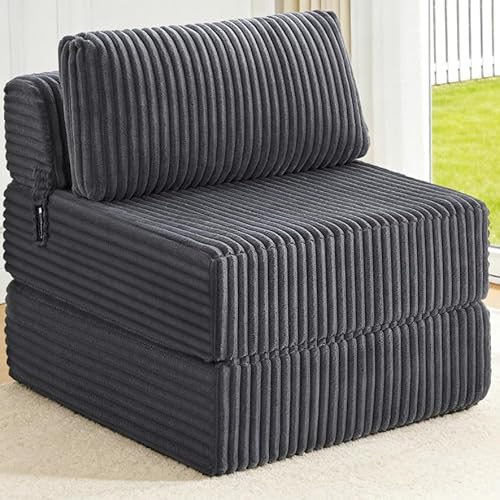
Chairs That Turn Into Twin Beds: Your Complete Guide
Space-saving furniture that seats by day and sleeps by night. Learn how convertible chair beds work, what to check before choosing one, and which features matter most for comfort, durability, and small-space living.
Why Chairs That Turn Into Twin Beds Make Sense
If you live in a studio, host overnight guests often, or simply want a guest room that doubles as a reading corner, a chair that converts into a twin bed solves two problems at once. By day it is a comfortable seat; by night it unfolds into a single sleeper sized for one adult or two children. This dual-purpose design is especially useful in apartments, home offices, and multi-use rooms where every square foot needs to earn its keep.
The category has matured significantly. Early models were little more than folding cots with fabric covers. Today, mid-range and premium convertible chairs use high-density foam, reinforced steel frames, and smooth fold-out mechanisms that rival dedicated sleeper sofas. Before you explore the recommended models below, it helps to understand the three main conversion styles and how they affect comfort and durability.
Three Conversion Styles Explained
1. Fold-Out (Pull-Out) Chair Beds
These seats hide a folded twin mattress underneath the cushion. You pull the seat forward and the mattress unfolds, often on casters or a sliding track. Fold-out models tend to offer thicker sleeping surfaces than other styles and are the closest in feel to a traditional sleeper sofa. They suit guest rooms and frequent hosting.
2. Flip-Open (Klick-Klack) Chair Beds
Also called click-clack chairs, these rely on a hinged frame that folds flat in one motion. The backrest drops and the seat extends, forming a twin-length sleeping platform. They are simpler mechanically, lighter to move, and work well as a starter tier option for occasional overnight guests. The trade-off is a firmer, thinner sleeping surface compared with fold-out designs.
3. Slide-Out (Trundle-Style) Chair Beds
Some chairs conceal a second platform that slides forward from beneath the seat, creating a two-part sleeping surface. These are efficient in tight corners and often include storage space underneath. Look for models with locking casters and a level sleeping platform where the two sections meet.
What to Check Before You Choose
- Sleeping surface size: Confirm the unfolded length and width. A true twin measures roughly 38 by 75 inches; compact models may be shorter, which matters for taller sleepers.
- Mattress thickness and density: Entry-level chairs often use thin foam pads suitable for occasional guests. Mid-range and high-end tier models use denser foam or layered memory foam for regular sleeping.
- Frame construction: Reinforced steel or solid hardwood frames resist wobble at the hinge points. Heavy-duty mechanisms rated for daily conversion last longer than budget hardware.
- Upholstery: Performance fabrics and leather alternatives wipe clean easily and resist wear at fold seams. Removable, washable covers are a plus in households with pets or children.
- Footprint when open: Measure the floor space the chair needs when fully unfolded, plus clearance for the backrest to recline. This is the most common oversight in small rooms.
- Weight and mobility: Lightweight chairs are easier to reposition, but heavier frames feel more stable. Casters help in multi-use rooms; locking casters prevent sliding on hard floors.
Comparing the Main Types at a Glance
| Type | Best For | Sleeping Comfort | Typical Tier |
|---|---|---|---|
| Fold-out chair bed | Guest rooms, frequent hosting | Thickest, most mattress-like | Mid-range to premium |
| Flip-open (click-clack) | Studios, occasional guests | Firmer and thinner | Entry-level to mid-range |
| Slide-out trundle chair | Tight corners, storage needs | Even, two-section platform | Mid-range |
| Convertible armchair with memory foam | Everyday seating plus regular sleeping | Supportive, contouring | High-end tier |
If your priority is a seat that feels like real furniture during the day, favor models with pocket springs or layered foam in the seat cushion. If your priority is quick guest setup, a smooth flip-open mechanism with locking legs may be the smarter pick. For related small-space solutions, see our guides on chairs that convert into twin beds and chairs that fold out into single beds.
Comfort, Care, and Long-Term Durability
Conversion furniture lives or dies by its hinge. Wobble at the fold point is the first sign of wear, so check reviews for frame rigidity and warranty coverage on the mechanism. Rotate and flip removable cushions monthly to distribute compression, and vacuum fold seams where crumbs collect. For foam mattresses, a breathable mattress protector extends lifespan and keeps the sleeping surface hygienic between guests.
Taller sleepers should prioritize models that unfold to a full 75-inch length. Side sleepers benefit from denser foam or a thin gel topper layered over the chair mattress. If the chair will serve children or teens, look for rounded corners and fabric that meets upholstery flammability standards. Families comparing multi-sleeper options may also find value in bunk beds with trundle underneath for permanent sleeping arrangements.
Where a Convertible Chair Fits Best
- Studio apartments that need daytime seating and nighttime sleeping for one
- Home offices used as occasional guest rooms
- Reading nooks that double as a spare bed for grandchildren or visitors
- Dorm rooms and rental units where furniture must be flexible
If you need more than one sleeping spot, explore chairs that turn into beds for adults or compare with chairs that can turn into beds across the full category.
Frequently Asked Questions
Are chairs that turn into twin beds comfortable for everyday sleeping?
Mid-range and premium convertible chair beds with high-density foam and reinforced mechanisms are comfortable for regular use. Entry-level models work best for occasional guest sleeping rather than nightly use. Side sleepers should look for models with at least four inches of foam or a layered memory foam top.
What is the difference between a chair bed and a sleeper sofa?
A chair bed is compact seating for one that unfolds into a twin sleeper, ideal for small rooms and studios. A sleeper sofa seats multiple people and opens into a full or queen bed, requiring more floor space and usually a larger footprint. Chair beds win on versatility in tight layouts.
Do convertible chair beds require assembly?
Most models arrive with minimal assembly, typically attaching legs or backrests. High-end tier models often ship fully assembled, while starter tier options may need basic tools for setup. Check the product listing for assembly requirements and whether tools are included.
How much floor space does a chair bed need when open?
A twin sleeper chair typically needs roughly 40 by 80 inches of clear floor space when unfolded, plus a few inches of clearance for the backrest to recline. Measure your room and mark the footprint with tape before buying to confirm the fit.
Ready to Compare Models?
Below are recommended chairs that turn into twin beds, organized for quick comparison of features and construction quality. Use the tier labels to match each option to how often you will convert it and who will sleep on it. For more small-space sleeping solutions, browse our buying guides and reviews section.
Compare Features