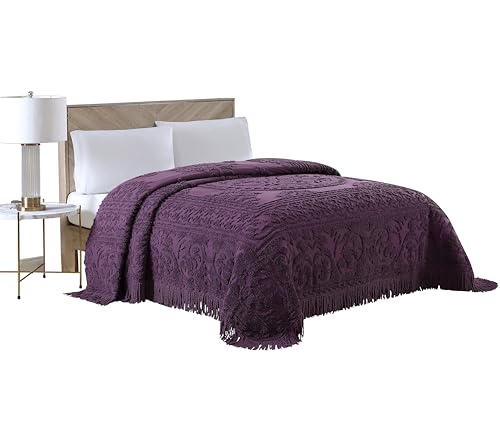
Chenille Bedspreads: The Complete Guide to Cozy, Textured Comfort
Everything you need to know about choosing, styling, and caring for chenille bedspreads — from understanding the unique tufted texture to picking the right size and tier for your bedroom.
Explore Top PicksWhy chenille? Chenille bedspreads bring a rare combination of visual depth, tactile softness, and everyday durability that few other bedding types can match. The distinctive tufted surface — created from a special yarn technique — adds warmth and character to any bedroom, whether your style leans traditional, cottage, or modern farmhouse. This guide walks you through everything a careful buyer should know before choosing a chenille bedspread.
What Makes Chenille Bedspreads Unique?
The Tufted Texture Explained
Chenille is a yarn with a soft, fuzzy pile — the name comes from the French word for "caterpillar," which describes the yarn's velvety appearance. When woven into a bedspread, chenille creates a raised, tufted surface that feels plush to the touch and adds visual dimension that flat-weave or quilted covers simply cannot replicate.
Unlike printed patterns that sit on the surface, chenille texture is structural — it's part of the fabric itself. This means the design won't fade or wash away over time, making a quality chenille bedspread a genuinely long-term investment for your bedroom.
How Chenille Compares to Other Bedspread Types
- Versus quilted bedspreads: Quilted covers use stitching to create patterns and trap warmth; chenille uses yarn texture for a softer, more dimensional feel.
- Versus flat cotton spreads: Flat weaves are smooth and crisp; chenille is plush and tactile, offering more warmth without extra weight.
- Versus knit throws: Knits are stretchy and casual; chenille bedspreads are woven, structured, and designed for full-bed coverage.
Key Features to Evaluate Before Buying
Yarn Quality and Density
The quality of a chenille bedspread comes down largely to yarn density and tuft tightness. Entry-level options often use looser tufts that can flatten over time, while mid-range and premium tiers feature denser, tighter tufting that holds its shape through repeated washing. When comparing options, look for descriptions that mention "dense tufting," "high-pile chenille," or "tightly woven yarn" — these signals usually indicate better durability.
Material Composition
Most chenille bedspreads are cotton-based, though you'll also find cotton-poly blends and fully synthetic versions. Pure cotton chenille tends to breathe better and soften with age, making it a favorite for year-round comfort. Blends often offer improved wrinkle resistance and color retention. If you sleep warm, a lighter cotton chenille is ideal; if you want extra coziness in cooler months, a denser pile works beautifully.
For sleepers who prioritize breathability across seasons, pairing a chenille bedspread with breathable bedding layers — such as cotton bedsheets — creates a comfortable microclimate year-round.
Size and Coverage
Getting the right size is critical with chenille because the texture adds visual bulk. A spread that's too small will look stretched and leave gaps at the sides; one that's too large will pool on the floor. Standard sizes follow mattress dimensions, but oversized options are popular for a draped, hotel-style look.
- Queen: The most common size — see our guide to white chenille bedspread queen options for a classic look.
- King: Consider king-size white chenille bedspread choices when you want full coverage with a crisp finish.
- California King: Explore California king size chenille bedspreads for proper proportions on longer mattresses.
- Twin: A white chenille twin bedspread works well for guest rooms and kids' spaces.
Color and Style Options
Chenille bedspreads come in a wide spectrum — from crisp whites and soft creams to rich blues, purples, and seasonal patterns. White remains the most versatile choice, pairing easily with any decor. Colored options let you anchor a room's palette: a blue and white chenille bedspread brings a coastal or cottage feel, while deeper tones add drama and warmth.
If you're building a coordinated bedding set, chenille pairs naturally with western bedspread sets or a floral bedspread set for a layered, curated look.
Chenille Bedspread Tiers: What to Expect at Each Level
| Tier | Best For | Typical Characteristics |
|---|---|---|
| Entry-level | Guest rooms, seasonal refresh, first-time buyers | Lighter tuft density, simpler patterns, cotton-poly blends, adequate for occasional use |
| Mid-range | Primary bedrooms, everyday use, style-conscious buyers | Denser tufting, higher cotton content, better color retention, refined patterns, solid durability |
| Premium | Master suites, design-focused spaces, long-term use | High-pile pure cotton chenille, intricate tufted designs, superior softness, excellent wash resilience |
| Luxury | Statement bedrooms, boutique-style styling, heirloom-quality expectations | Artisan-level tufting, premium long-staple cotton, dense hand-finished texture, exceptional longevity |
As a rule of thumb: mid-range chenille usually offers the best balance of texture quality and durability for most households. Entry-level spreads are perfectly serviceable for lighter use, while premium and luxury tiers reward buyers who want the tufted texture to remain plush and intact for many years.
How to Style Chenille Bedspreads in Your Bedroom
Layering for Depth and Warmth
Chenille's texture is a natural design feature — lean into it by layering. A white chenille bedspread over crisp sheets creates a clean, airy foundation; add a textured throw or quilted coverlet at the foot of the bed for visual interest. In cooler months, layer a chenille spread under a duvet or comforter for extra warmth without bulk.
For a coordinated look, pair your spread with complementary pieces — a full white bedspread for a bright, unified palette, or a dark purple bedspread for a moodier, more dramatic feel.
Matching Your Bedroom Style
- Cottage / farmhouse: White or cream chenille with floral accents and natural wood furniture.
- Coastal: Blue-and-white chenille with light linens and airy curtains.
- Modern rustic: Muted earth tones with a textured chenille spread and simple, clean-lined furniture.
- Traditional: Rich colors, dense tufting, and coordinated western bedspread sets.
Seasonal Rotation
Chenille is flexible enough to work across seasons, but many households rotate spreads for comfort and freshness. In warmer months, a lighter cotton chenille keeps things breathable; in winter, a denser pile adds cozy warmth. Consider a lightweight king bedspread for summer alongside your heavier chenille for year-round versatility.
Caring for Your Chenille Bedspread
Washing and Drying
- Machine wash on a gentle cycle with cold or lukewarm water.
- Use a mild detergent — avoid harsh bleach or fabric softeners that can mat the tufts.
- Tumble dry on low heat; remove promptly to minimize wrinkles.
- Shake gently before drying to restore the tufted texture.
Long-Term Maintenance
To keep tufts from flattening, avoid folding the spread tightly for extended storage — roll or drape it loosely instead. Rotate the spread periodically so wear is distributed evenly. With proper care, a quality chenille bedspread can remain plush and visually rich for many seasons.
Common Mistakes to Avoid When Buying Chenille
- Ignoring tuft density: A looser tuft may look fine initially but flatten quickly. Prioritize denser tufting for longevity.
- Choosing the wrong size: Account for the texture's visual bulk — a spread that's too small will look stretched.
- Overlooking care requirements: Check the care label before purchasing; some premium spreads require gentler handling.
- Skipping color swatches: Chenille's texture can shift how colors appear — order a swatch when possible.
- Ignoring your sleep climate: If you sleep warm, a dense pile may feel too heavy; choose a lighter cotton chenille instead.