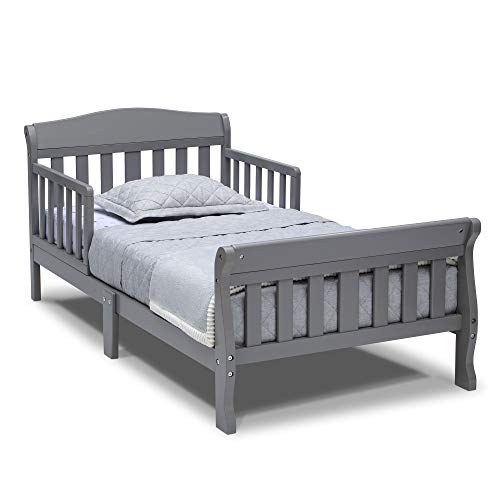
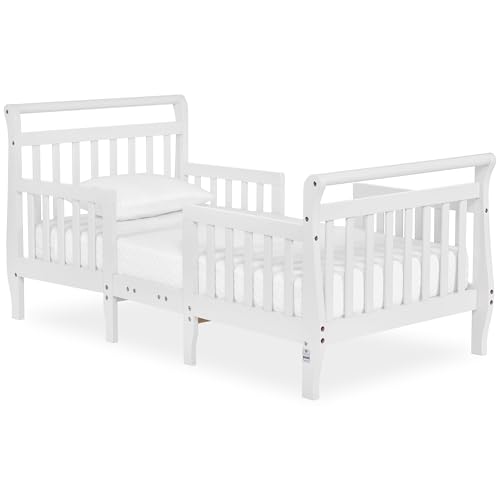
Space-Saving Children's Beds for Small Rooms
Smart, stylish, and safe beds designed to maximize every square inch of your child's room.
Is your child's bedroom feeling cramped? You're not alone. Many parents face the challenge of creating a functional and fun space in a small room. The right children's bed for small spaces can transform a tight area into a multi-functional haven for sleep, study, and play. This guide covers the best space-saving bed types, key features to consider, and top recommendations to help you make the right choice.
Why Choose a Space-Saving Bed?
Standard beds can take up a significant portion of a small room, leaving little space for other essential furniture. Space-saving children's beds are specifically designed to address this issue. They offer innovative solutions like vertical storage, built-in desks, and convertible designs that adapt as your child grows. By choosing a bed optimized for small spaces, you can create a room that feels open, organized, and inviting.
Beyond just saving floor space, these beds often come with added functionality. Many models include built-in desks, shelving, or drawers, reducing the need for separate pieces of furniture. This makes them a cost-effective and practical choice for any small bedroom.
Top Types of Children's Beds for Small Rooms
Loft Beds
Elevate the sleeping area to free up space underneath for a desk, play area, or extra storage. Ideal for older children and teens. Prices typically range from $300–$800.
Bunk Beds
Perfect for shared rooms, bunk beds stack two sleeping spaces vertically. Look for models with added storage or a trundle for extra versatility. Prices typically range from $400–$1,200.
Daybeds
Function as a sofa during the day and a bed at night. Great for small rooms that double as a playroom or guest space. Prices typically range from $250–$700.
Storage Beds
Feature built-in drawers or shelves underneath the mattress, eliminating the need for a separate dresser. Available in various styles, from classic to modern. Prices typically range from $350–$900.
Trundle Beds
Include a secondary bed that rolls out from underneath, making them ideal for sleepovers without taking up extra floor space. Prices typically range from $280–$650.
L-Shaped Beds
Combine two beds in an L-shape, often with a shared corner post. This design fits snugly into a corner, making it perfect for small, awkwardly shaped rooms. Prices typically range from $500–$1,100.
What to Look for in a Small-Space Bed
When shopping for a children's bed for a small space, several factors are crucial to ensure you get the best fit for your child and room.
- Room Dimensions: Always measure your room carefully, including ceiling height. This is especially important for loft beds and bunk beds, which require sufficient headroom.
- Storage Needs: Consider what storage solutions are most beneficial. Do you need drawers, shelves, or a desk underneath? Many children's beds with desks underneath are excellent for small rooms.
- Safety: For bunk and loft beds, look for sturdy construction, guardrails, and a safe ladder or stairs. Ensure the bed meets all current safety standards.
- Material and Durability: Solid wood beds are generally more durable than MDF or particleboard, especially for active children. Solid wood bunk beds are a great investment.
- Style: Choose a bed that fits your child's personality and the room's decor. From white bunk beds to natural wood finishes, there are options to match any aesthetic.
- Future-Proofing: Can the bed adapt as your child grows? Some beds can be separated into two individual beds, offering flexibility for the future.
By carefully evaluating these factors, you can find a bed that not only saves space but also provides a comfortable and safe sleeping environment for your child.
Smart Design Ideas for Small Rooms
Choosing the right bed is just the first step. To truly maximize a small space, consider these design strategies:
- Use Vertical Space: Besides a loft bed, install tall shelving units or wall-mounted storage to keep the floor clear.
- Multi-Functional Furniture: A daybed with drawers underneath can serve as seating, a bed, and storage all in one.
- Light Colors: Paint the walls in light, neutral colors to make the room feel larger and more open.
- Smart Organization: Use under-bed storage bins, hanging organizers on the back of doors, and labeled bins for toys to keep clutter at bay.
- Incorporate a Desk: If you choose a loft bed, the space underneath is perfect for a desk, creating a dedicated study nook. For more options, see our guide on beds with built-in desks.
Safety Tips for Bunk and Loft Beds
Safety should be your top priority, especially when considering high beds. Here are some essential safety tips to follow:
- Age Recommendation: Bunk beds are generally recommended for children 6 years and older.
- Guardrails: Ensure the top bunk has guardrails on all sides and that gaps are no more than 3.5 inches to prevent entrapment.
- Sturdy Ladder: The ladder should be securely attached and have slip-resistant steps.
- Proper Mattress Size: Use the recommended mattress size for the bed to ensure a snug fit and prevent gaps.
- No Jumping: Establish a firm rule against jumping on the top bunk.
- Check for Recalls: Always check the manufacturer's website for any product recalls or safety notices.
Following these guidelines will help ensure your child's bed is a safe and enjoyable space.
Frequently Asked Questions
What is the best type of bed for a small room?
The best bed depends on your child's age and the room's layout. Loft beds are great for older kids, while bunk beds are perfect for shared rooms. Daybeds and storage beds are versatile options for any age.
How much weight can a loft bed hold?
Most loft beds have a weight limit between 150 and 250 pounds for the top bunk. Always check the manufacturer's specifications to ensure it's suitable for your child.
Can bunk beds be separated into two beds?
Yes, many bunk beds that can be separated are available, offering great flexibility as your children grow.
What's the cheapest way to add storage to a child's room?
Using under-bed storage bins and a children's bed with built-in drawers are the most cost-effective ways to add storage without buying new furniture.