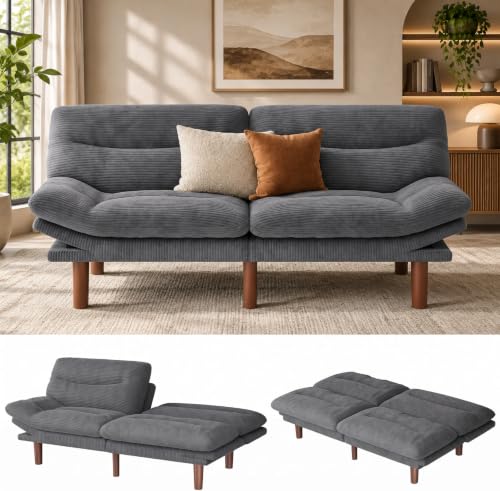
Comfortable Sofa Beds for Small Spaces
Your complete research guide to choosing a sleeper sofa that delivers genuine comfort, saves floor space, and works beautifully in compact apartments, studios, and guest rooms.
What You Will Learn
Why Sofa Beds Are Ideal for Small Spaces
In a compact apartment, studio, or guest room, every square foot must work harder. A sofa bed is one of the most practical dual-purpose furniture pieces available: it serves as comfortable seating during the day and converts into a sleeping surface at night. For visitors, renters, and owners of comfortable space-saving beds, this flexibility removes the need for a separate guest room entirely.
The key challenge is that not all sofa beds are created equal. Entry-level models often sacrifice sleeping comfort for a lower position in the market, using thin foam layers and simple folding frames. Mid-range and premium models, by contrast, use reinforced mechanisms and thicker mattress layers that make nightly sleep genuinely restful. Understanding this distinction is the single most important step in your research.
If your room is exceptionally tight, you may also want to explore small sofa bed options and full-size sofa beds designed for small spaces, both of which prioritize a compact footprint without abandoning comfort.
Types of Sofa Beds for Compact Rooms
Sofa beds fall into several broad categories, each with distinct space and comfort characteristics. Knowing which type fits your room layout helps you narrow the field quickly.
Pull-Out Sleeper Sofas
The classic design: a folding metal mechanism slides out from beneath the seat and unfolds into a flat sleeping surface. Mid-range and premium pull-out models typically include a built-in mattress of five to six inches or more. These are the most common choice for guest rooms and living areas that occasionally host overnight visitors.
Futon Sofas
A futon folds flat by lowering the backrest. Futons are space-efficient and often lighter than pull-outs, but their comfort depends heavily on mattress thickness. A high-end futon with a dense cotton or foam core can be surprisingly supportive, while entry-level versions tend to feel firm and thin.
Click-Clack Sofa Beds
Click-clack mechanisms use a simple hinge system to convert the seat and back into a flat surface. They are the lightest and most portable option, well suited to studio apartments where the sofa must be repositioned frequently. Comfort is generally best for occasional use rather than nightly sleeping.
Chair Beds and Loveseat Sleepers
For the tightest corners, a chair bed or twin loveseat sleeper provides a single sleeping spot without dominating the room. These are excellent companion pieces to a main sofa and work well in home offices that double as guest spaces.
For families outfitting children's rooms, adult daybeds offer a related dual-purpose solution that pairs seating with sleeping in a single footprint.
Mechanisms and Frame Construction
The mechanism is the heart of any sofa bed. A well-built mechanism operates smoothly for years, while a weak one develops squeaks, sags, or jams under regular use. When comparing models, pay attention to these construction details:
- Reinforced steel frames: High-grade steel with rust-proof finish resists flexing and extends service life, especially important for daily conversions.
- Welded vs. bolted joints: Welded joints generally offer a more solid build than bolted connections in high-stress areas.
- Even weight distribution: A well-designed mechanism spreads load across multiple bars rather than concentrating stress at a few pivot points.
- Smooth operation: Premium mechanisms glide with minimal effort; entry-level ones may require a firm pull and can bind if the frame is misaligned.
Durable construction matters most in rooms where the sofa bed converts daily. If the bed will be used primarily for occasional guests, a mid-tier mechanism with a solid frame is usually sufficient. For everyday sleeping, invest in a top-tier mechanism rated for frequent use.
If you are comparing broader furniture arrangements, our guide to industrial bedroom styling shows how exposed metal frames and mechanism details can become a design feature rather than a compromise.
Mattress Quality: The Real Comfort Factor
No mechanism, however smooth, can rescue a thin mattress. Sleeping comfort on a sofa bed comes down almost entirely to the mattress layer. Here is what to look for:
- Foam thickness: Aim for at least five to six inches of mattress depth for regular sleeping. Thinner layers work only for occasional overnight stays.
- Memory foam vs. innerspring: Memory foam conforms to body shape and isolates motion, which suits couples and restless sleepers. Innerspring cores feel bouncier and cooler for some sleepers.
- Hybrid construction: A foam top over a coil core combines pressure relief with support, and is common in premium sofa beds.
- Removable and washable covers: A practical feature that extends the usable life of the mattress layer.
If the built-in mattress feels too firm, a quality mattress topper can transform the experience. Compare options in our mattress selection guide to understand how foam density and firmness ratings translate to real-world comfort. Sheets also matter: breathable linen sheets help regulate temperature on foam surfaces that can otherwise sleep warm.
Tier Comparison Guide
Because sofa beds vary enormously in construction, the most useful way to compare them is by market tier. The table below summarizes what each tier typically delivers, so you can match a model to your expected usage pattern.
| Tier | Best For | Typical Construction |
|---|---|---|
| Entry-level / Starter tier | Occasional guest use, secondary rooms | Lightweight frame, thin foam mattress, simple hinge mechanism |
| Mid-range / Balanced tier | Regular guest use, studio apartments | Reinforced steel frame, 5–6 inch foam mattress, smooth pull-out mechanism |
| Premium / High-end tier | Daily sleeping, primary living space | Heavy-duty welded frame, hybrid or innerspring mattress, precision mechanism |
| Luxury / Top-tier | High-frequency use, design-forward interiors | Premium upholstery, multi-layer mattress, commercial-grade mechanism |
As a general rule, a mid-range model usually offers a noticeably smoother mechanism and thicker mattress than an entry-level one, while a premium model adds durability for daily conversion. Match the tier to how often the bed will actually be used, not to how often you expect guests.
How to Measure Your Room Before Buying
Space planning prevents the most common sofa bed mistake: buying a model that fits when closed but blocks a doorway when open. Follow these steps before you commit:
- Measure the closed footprint of the spot where the sofa will sit, including clearance for walking around it.
- Measure the open footprint and check that the extended mattress does not collide with furniture, doors, or radiators.
- Check the turning radius for delivery: will the sofa fit through your hallway, stairwell, and door frame?
- Account for wall clearance if the model requires space behind the backrest for the mechanism to fold out.
- Leave circulation space of at least two feet around the sofa in both configurations where possible.
In especially tight rooms, custom solutions can help. Our guides to custom-made beds for small rooms and small double beds with mattress explain how to specify furniture to exact dimensions. If you are also planning storage, beds without headboards with storage offer a complementary approach.
Maximizing Comfort in a Small Space
Once you have selected a sofa bed, a few adjustments can significantly improve the sleeping experience and the room's overall feel:
- Add a mattress topper to bridge the gap between a firm built-in mattress and your preferred firmness.
- Use breathable bedding to keep foam surfaces from trapping heat, especially in small rooms with limited airflow.
- Choose lighter upholstery and raised legs to make the room feel larger and airier.
- Position the sofa perpendicular to the window wall where space allows, to preserve natural light and open sightlines.
- Store bedding inside the sofa if the model includes a storage compartment, freeing floor space when the bed is not in use.
Small rooms benefit from consistent styling. Pairing your sofa bed with complementary pieces from a coordinated twin bed set or full bed set can unify the room and make the space feel intentional rather than improvised. For living areas that double as sleeping spaces, ideas from our living room inspiration guide help balance daytime seating with nighttime functionality.
If your space can accommodate a slightly larger footprint, comfortable space-saving beds broaden the options beyond classic sofa beds, including Murphy-style and storage-integrated designs.
Frequently Asked Questions
What is the most comfortable type of sofa bed for a small space?
A mid-range to premium sofa bed with a pull-out mechanism and a memory foam or hybrid mattress offers the best balance of comfort, durability, and compact footprint. Look for reinforced frames and a mattress thickness of at least five to six inches.
How do I choose a sofa bed that fits a small room without overwhelming it?
Measure the room and account for clearance when the bed is fully extended. Choose a loveseat or twin-size sofa bed if floor space is limited, and favor lighter upholstery colors and raised legs to create an airier visual feel.
Are sofa beds comfortable enough for everyday sleeping?
Yes, if you select a higher-tier model with a proper mattress layer rather than a basic futon. Premium sofa beds with coil or hybrid mattresses and a sturdy mechanism are designed for regular overnight use, especially when paired with a mattress topper.
How often should I replace a sofa bed used for nightly sleeping?
A top-tier model with a commercial-grade mechanism and a hybrid mattress can last many years of daily use. Inspect the mechanism and mattress layer annually, and plan to refresh the mattress layer before the frame shows wear.
Can I use regular bed sheets on a sofa bed?
Yes, provided the mattress dimensions match. Measure the open sleeping surface and choose fitted sheets accordingly. Deep-pocket sheets work better on thicker sofa bed mattresses.