Contemporary Beds: The Complete Guide to Modern Bedroom Design
Discover how contemporary beds combine clean lines, smart storage, and premium materials to transform your bedroom into a modern sanctuary. This guide covers styles, sizing, materials, and everything you need before choosing your next modern bed frame.
Why contemporary beds matter: A contemporary bed is more than furniture — it is the anchor of your bedroom design. Modern bed frames prioritize function, proportion, and visual calm, making them ideal for research-stage buyers who want a bedroom that feels intentional rather than cluttered. Whether you are furnishing a compact apartment or upgrading a primary suite, understanding contemporary design language helps you choose a bed that lasts and elevates the entire room.
What Defines a Contemporary Bed?
Contemporary beds are defined by their emphasis on clean geometry, low-profile silhouettes, and materials that feel refined yet practical. Unlike traditional or ornate designs, contemporary bed frames strip away unnecessary detailing and focus on proportion, texture, and function. The result is a bed that integrates seamlessly with modern bedroom furniture and supports a calm, uncluttered environment.
Key characteristics of contemporary beds include streamlined headboards, integrated storage solutions, neutral or muted color palettes, and mixed materials such as upholstery paired with metal or wood accents. These beds often work well in rooms of varying sizes because their visual weight is controlled and intentional. If you are exploring broader modern bedroom concepts, our contemporary beds collection provides additional design context and buying considerations.
Benefits of Choosing Contemporary Beds
Clean Visual Lines
Contemporary bed frames use straight edges and balanced proportions to reduce visual noise, making bedrooms feel more spacious and restful.
Smart Storage Options
Many contemporary beds include under-bed storage or lift-up mechanisms, which are practical for smaller rooms and multi-purpose spaces.
Versatile Design Language
Modern beds pair easily with minimalist, Scandinavian, and urban loft aesthetics, giving you flexibility when updating decor over time.
Durable Materials
Contemporary frames often use high-grade steel, engineered woods, or premium upholstery, supporting long-term daily use in active households.
Popular Types of Contemporary Beds
Contemporary design is not a single style — it spans several bed categories. The right choice depends on room size, storage needs, and your preferred aesthetic. Below is a practical overview of the most common contemporary bed types for research-stage buyers.
Contemporary Platform Beds
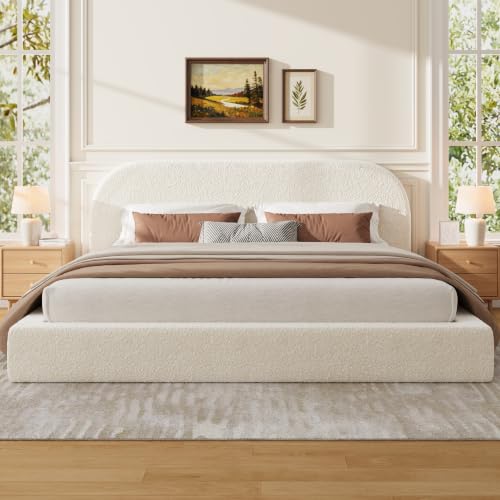
Platform beds sit low to the ground and feature a solid base that supports the mattress directly, often without the need for a box spring. Their minimalist footprint makes them a natural fit for modern bedrooms. Explore contemporary platform beds in king size if you are furnishing a larger primary bedroom and want a grounded, architectural look.
Contemporary Upholstered Beds
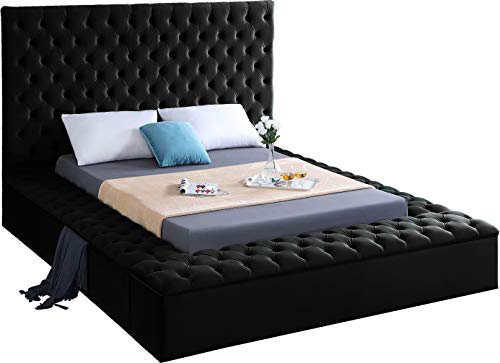
Upholstered contemporary beds use fabric or leather-wrapped frames to soften hard lines and add texture. These beds are popular in bedrooms where comfort and visual warmth matter. Our guide to contemporary upholstered beds explains upholstery grades, headboard heights, and maintenance considerations.
Contemporary Beds with Storage
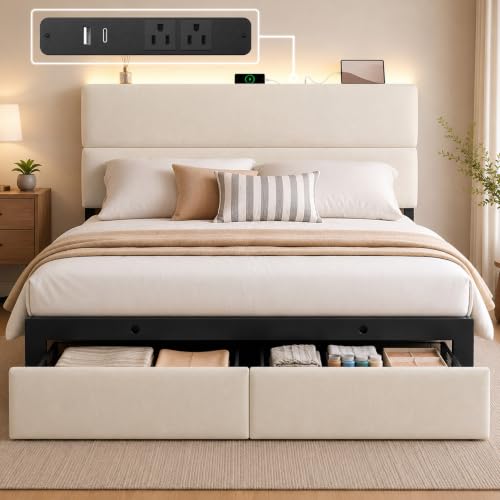
Storage beds are a practical evolution of contemporary design. Lift-up frames or drawer-based storage let you use the space beneath the mattress without adding separate furniture. For a focused comparison, see contemporary beds with storage to understand capacity, mechanism types, and installation needs.
Contemporary Bed Types Compared
Use the table below to compare common contemporary bed categories across practical criteria. The "Tier" column uses relative market positioning rather than absolute figures.
| Bed Type | Best For | Material Focus | Storage | Tier |
|---|---|---|---|---|
| Platform Bed | Minimalist bedrooms | Wood, metal, engineered panels | Limited or none | Entry-level to mid-range |
| Upholstered Bed | Warm, textured aesthetics | Fabric, leather, foam padding | Optional | Mid-range to premium |
| Storage Bed | Compact or multi-use rooms | Wood composites, metal mechanisms | Integrated lift-up or drawers | Mid-range to high-end tier |
| Canopy Bed | Statement bedrooms | Metal or solid wood | None | Premium to luxury |
| Sleigh Bed (modern) | Transitional spaces | Wood or upholstered panels | Limited | Mid-tier to premium |
Materials and Finishes in Contemporary Beds
Material choice directly affects durability, maintenance, and the overall look of a contemporary bed. Here are the most common options and what they offer:
- Engineered wood and veneer: Consistent finish, stable structure, and a clean modern appearance; suitable for platform and storage beds.
- Solid wood: Long-term durability and natural texture; often used in premium contemporary frames.
- Metal (steel or aluminum): Slim profiles, high strength, and industrial-modern aesthetics; often paired with wood accents.
- Upholstery (fabric or leather): Adds softness and acoustic comfort; requires periodic cleaning depending on material grade.
- Lacquered or matte finishes: Common in contemporary beds for a uniform, low-gloss look that resists fingerprints.
Sizing and Room Fit for Modern Bedrooms
Contemporary beds are available in all standard sizes, but the visual impact of a modern frame depends heavily on room proportions. A low-profile queen bed can make a modest room feel larger, while a king platform bed anchors a spacious primary suite. Before choosing, measure your room and account for walkways, nightstands, and closet clearance.
If you are furnishing a smaller space, consider compact solutions such as comfortable beds for small spaces or space-saving bed designs. These guides help you match contemporary style with practical dimensions.
Buying Checklist for Contemporary Beds
Use this checklist to evaluate contemporary beds before making a final decision. Each point is designed to reduce return risk and long-term dissatisfaction.
- Frame stability: Check joinery, center support, and weight capacity for your mattress size.
- Mattress compatibility: Confirm whether the bed requires a box spring or supports a direct mattress placement.
- Storage mechanism: For storage beds, review lift-up gas struts or drawer glides for smooth, safe operation.
- Finish durability: Look for scratch-resistant coatings and easy-clean upholstery if the bed is in daily high-use.
- Assembly requirements: Some modern frames ship flat-packed; check whether tools and instructions are included.
- Design continuity: Ensure the bed coordinates with existing nightstands, dressers, and lighting for a cohesive bedroom.
Styling Your Contemporary Bed
Contemporary beds work best when styling stays restrained. Choose bedding with clean seams and neutral tones, layer one or two textured pillows, and keep nightstand surfaces minimal. For inspiration on finishing touches, browse our comforter guides and curtains and drapes ideas to complete the room without adding visual clutter.
Lighting also plays a major role. A contemporary bed often pairs well with slim bedside lamps or wall-mounted sconces that keep the visual field clear. If you are designing a full bedroom refresh, our broader contemporary beds resource hub connects bed selection with room-level planning.
Ready to Compare Contemporary Beds?
Review our curated selection of contemporary beds below, compare features, and check availability directly through our affiliate partners.
Compare FeaturesFrequently Asked Questions About Contemporary Beds
What is the difference between contemporary and modern beds?
Contemporary design refers to current, evolving trends, while modern design typically references mid-century or minimalist principles. In practice, contemporary beds combine current materials and function-driven layouts, whereas modern beds often emphasize historical design cues. Many contemporary beds borrow from modern principles while adapting to present-day bedroom needs.
Do contemporary beds require a box spring?
Most contemporary platform beds are designed to support a mattress directly and do not require a box spring. However, some upholstered or panel designs may recommend a foundation depending on mattress type and warranty requirements. Always confirm with the manufacturer before pairing a mattress with a new frame.
Are storage beds suitable for daily use?
Yes, modern storage beds with gas-lift mechanisms or smooth drawer glides are built for regular access. Look for reinforced hardware and a stable frame, especially if you plan to store heavier items. A well-constructed storage bed is a practical long-term investment for smaller bedrooms.
How do I choose the right size contemporary bed?
Start with room dimensions and walkway clearance. Measure the space needed for nightstands and closet doors, then match the bed size to the remaining area. Queen and king sizes are common for primary bedrooms, while full and twin sizes suit guest rooms and compact spaces. If space is limited, consider a compact or space-saving design before upsizing.
What materials are best for a contemporary bed frame?
There is no single best material — it depends on your priorities. Engineered wood offers consistent finishes, metal provides slim strength, and upholstery adds warmth and texture. For high-traffic bedrooms, prioritize durable finishes and reinforced joinery. For design-led spaces, mixed materials can create a more distinctive contemporary look.
Related Reading
Expand your research with these related guides on contemporary and modern bedroom topics:
- Contemporary beds with storage — compare integrated storage options.
- Contemporary platform beds in king size — ideal for spacious primary bedrooms.
- Contemporary upholstered beds — explore fabric and leather options.
- Cool platform beds — modern platform designs with standout details.
- Comfortable beds — balance contemporary style with sleep comfort.
- Custom beds — tailored options for unique contemporary spaces.