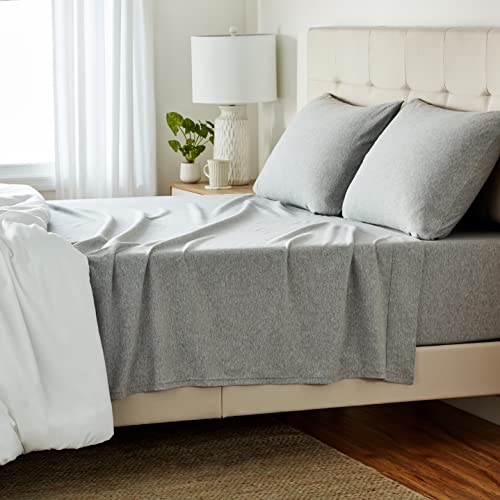
Cotton Bedsheet Queen Size: Your Complete Buying Guide
Everything you need to know about choosing the perfect queen-size cotton bedsheet — from weave types and thread counts to care tips and top-tier recommendations for a cooler, cleaner, and more restful night's sleep.
Explore Top PicksWhy cotton, and why queen? Cotton remains the most trusted bedding fiber for its breathability, durability, and natural softness. Combined with the queen size — the most popular mattress dimensions for couples and solo sleepers alike — a quality cotton bedsheet queen size set is one of the smartest investments you can make for your sleep environment. This guide walks you through every decision so you can buy with confidence.
Why Choose Cotton Bedsheets?
Cotton has been the standard for quality bedding for generations, and for good reason. Unlike synthetic fabrics that trap heat and moisture, cotton fibers naturally wick away perspiration and allow air to circulate. This makes cotton bedsheets an excellent choice for hot sleepers, humid climates, and anyone who values a fresh, dry feeling throughout the night.
Beyond temperature regulation, cotton is renowned for its durability. A well-made cotton bedsheet queen size set can withstand hundreds of wash cycles without pilling or thinning, making it a long-term investment in your comfort. Cotton is also naturally hypoallergenic and resistant to dust mites, which is a meaningful benefit for allergy sufferers.
For those exploring broader bedding options, our guide to comforters and cotton bedspread sets can help you coordinate a complete, cohesive bedding ensemble.
Understanding Cotton Types and Quality Grades
Not all cotton is created equal. The quality of a cotton bedsheet depends heavily on the type of cotton fiber used. Here is a breakdown of the most common cotton grades you will encounter:
Egyptian Cotton
Grown in the Nile River valley, Egyptian cotton is prized for its extra-long staple fibers. Longer fibers can be spun into finer, stronger yarns, resulting in sheets that are softer, more durable, and less prone to pilling. Egyptian cotton typically sits in the premium to luxury tier of the market.
Pima Cotton
Pima cotton, primarily grown in the United States, Peru, and Australia, is similar in quality to Egyptian cotton. It also features long staple fibers and offers a smooth, silky feel. Pima cotton is often considered a premium-tier choice that balances quality and availability.
Upland Cotton
Upland cotton is the most widely produced cotton in the world and forms the base of most entry-level and mid-range bedsheets. While its shorter fibers produce a less refined fabric than Egyptian or Pima, modern processing techniques can still deliver comfortable, durable sheets at accessible quality tiers.
Organic Cotton
Organic cotton is grown without synthetic pesticides or fertilizers, making it a preferred choice for eco-conscious consumers and those with sensitive skin. Organic certification ensures that the cotton meets strict environmental and social standards throughout the supply chain.
Thread Count: What Really Matters
Thread count refers to the number of threads woven into one square inch of fabric. While marketing often pushes the idea that higher is always better, the reality is more nuanced. For cotton bedsheets, a thread count between 200 and 400 is generally considered the sweet spot for most sleepers.
Here is what you need to know:
- 200–300 thread count: Breathable, durable, and crisp. Ideal for hot sleepers and everyday use. Typically entry-level to mid-range tier.
- 300–400 thread count: Softer feel with excellent balance of breathability and durability. A solid mid-range to premium choice.
- 400–600 thread count: Noticeably smoother and more luxurious. Best suited for cooler sleepers or those who prioritize a silky feel. Premium to luxury tier.
- Above 600: Often achieved through multi-ply yarns, which can reduce breathability and durability. Not necessarily better than a well-made 400-count sheet.
It is important to note that thread count alone does not determine quality. The type of cotton, the weave, and the finishing process all play critical roles. A 300-thread-count Egyptian cotton sheet will often outperform a 600-thread-count sheet made from shorter, lower-grade fibers.
Percale vs. Sateen: Choosing the Right Weave
The weave of a cotton bedsheet dramatically affects how it feels and performs. Two weaves dominate the market: percale and sateen.
Percale Weave
Percale is a crisp, matte weave with a one-over, one-under pattern. It is highly breathable, lightweight, and known for its cool, hotel-like feel. Percale sheets become softer with each wash and are the top recommendation for hot sleepers and warm climates. They have a classic, understated appearance that suits both modern and traditional bedrooms.
Sateen Weave
Sateen uses a three-over, one-under pattern that creates a silky, smooth surface with a subtle sheen. It feels more luxurious against the skin and drapes elegantly. However, sateen weaves are less breathable than percale, making them better suited for cooler sleepers or those who prioritize softness over airflow. Sateen sheets often sit in the premium to luxury tier.
If you are building a complete bedding set, you may also want to explore cotton quilted bedspreads in queen size to layer over your sateen or percale sheets for added warmth and style.
Queen Size Bedsheet Dimensions: What to Expect
Before purchasing a cotton bedsheet queen size set, it helps to understand the standard dimensions. A queen mattress measures 60 inches wide by 80 inches long. Bedsheet sets are designed with additional fabric to accommodate mattress depth and tucking.
| Sheet Component | Typical Dimensions | Notes |
|---|---|---|
| Queen Flat Sheet | 90" x 102" (approx.) | Allows for generous tucking on sides and foot |
| Queen Fitted Sheet | 60" x 80" with 14"–16" pockets | Deep pockets fit most mattresses and toppers |
| Standard Pillowcases | 20" x 30" (set of 2) | Fits standard and queen pillows |
| King Pillowcases (optional) | 20" x 40" (set of 2) | Fits king-size pillows for a more luxurious look |
Always check the pocket depth of fitted sheets, especially if you use a mattress topper. A fitted sheet with pockets that are too shallow will pop off the corners, disrupting your sleep. For a deeper dive into mattress sizing, our mattress size chart provides detailed measurements across all standard sizes.
How to Choose the Perfect Cotton Bedsheet Queen Size
Selecting the right cotton bedsheet involves more than picking a color. Consider these factors to make a confident, well-informed decision:
- Sleep Temperature: Hot sleepers should prioritize percale weave and thread counts between 200 and 400. Cool sleepers may prefer sateen weave for its silky warmth.
- Fiber Quality: Look for Egyptian, Pima, or organic cotton for superior softness and longevity. These sit in the premium to luxury tier.
- Thread Count: Aim for 200–400 for the best balance of breathability and durability. Avoid being swayed by very high counts that may use multi-ply yarns.
- Weave: Choose percale for crispness and airflow, sateen for smoothness and sheen.
- Certifications: Look for OEKO-TEX Standard 100 or GOTS (Global Organic Textile Standard) certifications to ensure the sheets are free from harmful chemicals.
- Pocket Depth: Measure your mattress height (including any topper) and ensure the fitted sheet pockets exceed that measurement.
- Care Requirements: Most cotton sheets are machine washable, but always check the care label. Some luxury finishes may require gentler handling.
If you are outfitting a guest room or a child's bedroom, our guides to children's beds and comfortable beds can help you coordinate the full sleep environment.
Cotton Bedsheet Care: Make Them Last
A quality cotton bedsheet queen size set is an investment, and proper care will extend its life significantly. Follow these best practices:
- Wash weekly: Regular washing prevents the buildup of oils, sweat, and dust mites that degrade fibers over time.
- Use cold or warm water: Hot water can shrink cotton and fade colors. Cold or warm water is sufficient for cleaning.
- Skip fabric softener: Fabric softeners coat cotton fibers and reduce breathability. Use wool dryer balls instead to soften sheets naturally.
- Tumble dry low: High heat weakens fibers and causes shrinkage. Remove sheets promptly to minimize wrinkles.
- Rotate sets: Alternating between two sets of sheets reduces wear on each and ensures you always have a fresh set ready.
- Store properly: Keep clean sheets in a cool, dry place. Avoid storing them in damp areas or plastic bins that trap moisture.
For more comprehensive mattress and bedding care advice, explore our mattress care tips.
Understanding Quality Tiers in Cotton Bedsheets
To help you navigate the market without referencing specific figures, here is a breakdown of what different quality tiers typically offer:
| Tier | Best For | Typical Characteristics |
|---|---|---|
| Entry-Level | Guest rooms, first apartments, seasonal use | Upland cotton, 180–200 thread count, basic percale weave, standard durability |
| Mid-Range | Everyday use, hot sleepers, year-round comfort | 100% cotton, 200–300 thread count, percale or sateen weave, good breathability and durability |
| Premium | Daily luxury, couples, sleep quality enthusiasts | Pima or Egyptian cotton, 300–400 thread count, refined weave, superior softness and longevity |
| Luxury | Master bedrooms, gifting, ultimate comfort seekers | Extra-long staple Egyptian cotton, 400–600 thread count, sateen or specialized finishes, exceptional hand feel |
Ready to Upgrade Your Sleep?
A great day starts with a great night. Explore our curated selection of cotton bedsheet queen size options and find the perfect match for your sleep style.
View Recommended Sheets