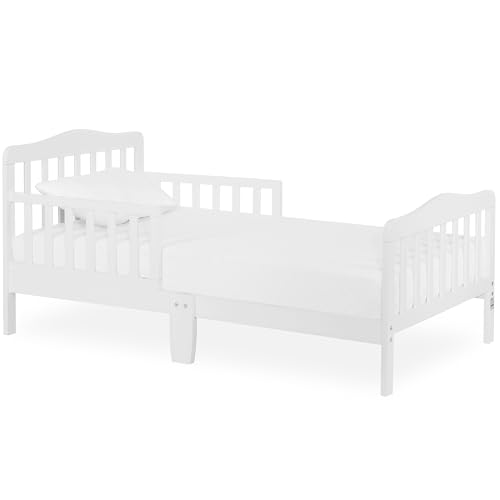
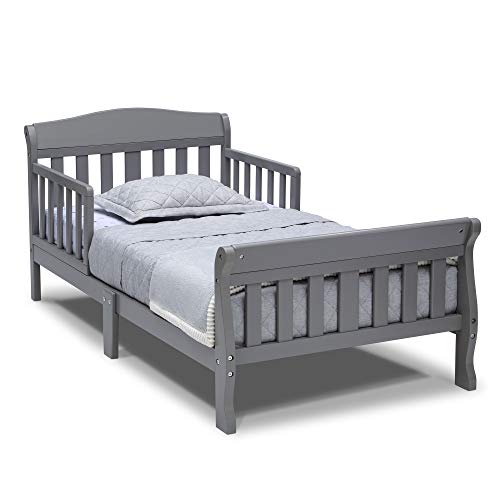
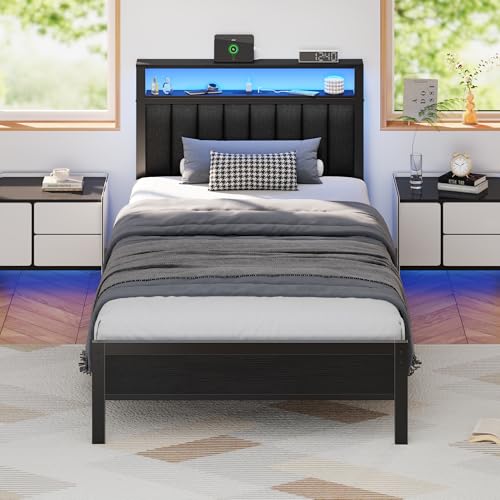
Childrens Beds: The Complete Buying Guide for Parents
From toddler transitions to teen-friendly designs, learn how to choose a childrens bed that is safe, comfortable, and built for years of growing up.
EXPLORE BED TYPESWhy the right bed matters: A childrens bed is more than furniture. It supports healthy spinal development, encourages independent sleep habits, and must meet safety standards. This guide walks you through every decision — from frame type and mattress pairing to room layout — so you can buy with confidence.
Why Choosing the Right Childrens Bed Matters
Children spend roughly half of their early lives in bed. During sleep, their bodies release growth hormones, consolidate memories, and recover from daily activity. A poorly fitted or unsafe bed can disrupt that process and lead to restless nights for the whole household. The right childrens beds choice balances safety, comfort, durability, and the practical realities of the room it will live in.
Parents today face a wide range of options: classic single beds, childrens bunk beds with mattresses, loft beds that free up floor space, and compact designs for smaller rooms. Each category serves a different need, and the best choice depends on your child's age, the room dimensions, and how long you expect the bed to last.
This guide breaks the decision into clear steps. You will learn how bed types compare, what safety features to verify, how to match a mattress to the frame, and which design details make daily life easier — from storage stairs to pull-out beds for sleepovers.
Types of Childrens Beds Compared
Understanding the main bed categories is the fastest way to narrow your search. Below is a comparison of the most common childrens bed types, organized by tier and best use case.
Standard Single Beds
The classic starter bed. Simple, low-profile, and easy to fit in almost any room. Ideal for children transitioning from a crib or toddler bed who are not ready for elevated sleeping.
Entry-Level TierBunk Beds
Two sleeping spaces in one footprint. Perfect for siblings sharing a room or frequent sleepovers. Available as twin-over-twin or twin-over-full configurations, with some models that separate into two independent beds.
Mid-Range TierLoft Beds
Raised platforms that create usable space underneath for desks, play areas, or storage. A smart solution for childrens beds for small rooms where floor area is limited.
Mid-Range TierBeds with Storage
Integrated drawers or under-bed compartments keep toys, linens, and clothing organized. A practical choice for households that need every square foot to work harder.
Premium TierPull-Out & Trundle Beds
A second sleeping surface that slides out when needed. Great for childrens beds with pull-out bed underneath setups, sleepovers, and guest arrangements without permanent extra furniture.
Premium TierSofa & Convertible Beds
Furniture that transitions between seating and sleeping. Useful in multi-purpose rooms, playrooms, or teen spaces where flexibility matters more than a traditional frame.
High-End TierFor families working with tighter footprints, our guide to childrens beds for small spaces covers corner layouts, vertical storage, and multi-functional designs in more detail. If you are weighing bunk options specifically, the comparison of childrens bunk beds for small rooms explains how ladder placement and guardrail clearance affect usable floor area.
Safety Features Every Parent Should Verify
- Guardrails on elevated beds: Any bed raised more than a few inches should have full-length guardrails on both sides. Check that the rails are at least five inches above the mattress top.
- Securely attached ladders: Ladders must hook or bolt onto the frame — never rest loosely. Look for wide, non-slip steps and a handhold opening at the top.
- Sturdy frame construction: Solid wood or high-grade steel frames resist wobbling. Check weight ratings and prefer reinforced corner joints over stapled assembly.
- Age and weight guidelines: Top bunks are generally not recommended for children under six. Always follow the manufacturer's stated maximum weight for each sleeping surface.
- Non-toxic finishes: Low-VOC paints and water-based finishes reduce indoor air irritants, which matters in small bedrooms with limited ventilation.
- Rounded edges and smooth surfaces: Splinter-free, rounded corners reduce injury risk during play and middle-of-the-night trips.
- Stability against the wall: Anchor kits or anti-tip straps should be included or available. Freestanding tall beds should never be left unsecured.
If you are considering a bunk configuration, our detailed look at childrens bunk beds with stairs explains why stair access is often safer than a vertical ladder for younger children, and how storage stairs combine access with practical drawer space.
Matching the Mattress to the Bed Frame
The mattress is half the purchase. A bed frame with a mismatched mattress creates gaps, reduces support, and can void safety certifications. Here is what to check before you commit.
| Consideration | What to Look For | Best For |
|---|---|---|
| Firmness | Medium-firm to firm support for growing spines | Toddlers through pre-teens |
| Thickness | 6–8 inches for standard frames; check guardrail clearance on bunks | All bunk and loft setups |
| Material | Breathable foam or innerspring with a washable cover | Homes with allergy concerns |
| Certification | CertiPUR-US foam or equivalent low-emission standard | Every childrens bed |
| Fit | Exact match to the frame's inner dimensions — no more than 1 inch of gap | Bundled bed-and-mattress sets |
Bundled options such as childrens beds with mattress included remove the guesswork of sizing. If you prefer to buy separately, measure the frame's inner length and width precisely and confirm the mattress depth against any guardrail requirements. For bunk-specific sizing, review the guide to childrens bunk beds with mattresses, which covers the thinner profiles that fit safely under top-bunk rails.
Planning the Room Around the Bed
A bed that fits the child but not the room creates daily friction. Before ordering, sketch the floor plan and account for these factors:
- Door and drawer clearance: Leave at least 24 inches for doors to open and drawers to pull out fully.
- Ladder and stair approach: Bunk and loft ladders need a clear landing zone of about three feet.
- Window placement: Avoid placing elevated beds directly under windows, and never block escape routes.
- Heating and vents: Keep beds a safe distance from radiators, space heaters, and floor vents.
- Growth planning: A bed that converts — from toddler rail to full single, or from bunk to two singles — extends the useful life of the purchase.
For rooms that double as play or study areas, childrens bedroom furniture bunk beds and loft bed furniture sets combine sleeping, storage, and workspace in a single footprint. If the room must also host guests, childrens double beds with storage add capacity without sacrificing organization. And for families deciding between bunk styles, childrens bunk beds twin over full offers a wider lower berth for older siblings or overnight visitors.
A Simple Decision Framework
Use this short sequence to move from browsing to a confident choice:
- Step 1 — Confirm readiness. Is your child climbing out of a crib, or ready for a bigger bed? Match the bed type to their age and mobility.
- Step 2 — Measure the room. Record wall lengths, door swings, window positions, and ceiling height. Note where outlets and vents sit.
- Step 3 — Pick the category. Single bed for a first transition, bunk for shared rooms, loft for space-constrained floors, convertible for long-term flexibility.
- Step 4 — Verify safety. Guardrails, ladder attachment, weight ratings, finish safety, and wall anchoring.
- Step 5 — Pair the mattress. Match firmness, thickness, and certification to the frame and the child's age.
- Step 6 — Plan for growth. Prefer designs that convert, separate, or add storage as needs change.
If you are still comparing broader options, the complete collection of childrens beds includes every category covered here. For smaller rooms specifically, revisit the small-space childrens beds overview, and for shared bedrooms, the compact bunk bed guide explains how to maximize two sleeping surfaces without crowding the floor.
Frequently Asked Questions
What age is appropriate for a childrens bed?
Most children move from a crib to a childrens bed between 18 months and 3 years. Readiness signs include climbing out of the crib, outgrowing the crib mattress, or showing interest in a "big kid" bed. A low toddler bed or a standard single with a guardrail is a safe first step.
Are bunk beds safe for young children?
Bunk beds are generally recommended for children aged six and older. The top bunk must have full-length guardrails on both sides, and the ladder should be permanently attached. Always follow the manufacturer's age and weight limits, and never allow horseplay on the upper level.
How do I choose a childrens bed for a small room?
Prioritize vertical space with a loft bed, choose a bunk that separates into two singles, or select a frame with built-in drawers. Measure door swings and ladder clearance before ordering. Our guide to childrens beds for small rooms covers layout strategies in detail.
Should I buy a childrens bed with a mattress included?
Bundled options simplify sizing and ensure the mattress fits the frame safely. Check the mattress firmness and certification regardless of whether it is included. A firmer mattress supports growing spines and sits more predictably under guardrails on elevated beds.
How long should a childrens bed last?
A well-built single bed or convertible frame can last from the toddler years through the early teens. Bunk beds and loft beds with solid wood or high-grade steel construction typically remain sturdy for a decade or more. Convertible designs that separate into independent beds extend the lifespan further.
Ready to Find the Right Childrens Bed?
Browse recommended options below, compare features, and check availability. Every product is selected to match the safety and comfort standards covered in this guide.
View Recommended Beds