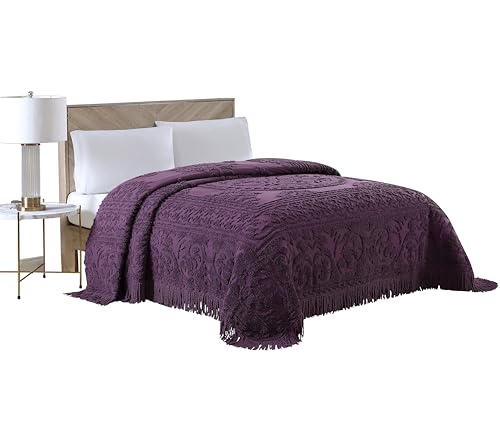
Cotton Chenille Bedspread Queen: Your Complete Buyer's Guide
Everything you need to know about choosing, styling, and caring for a cotton chenille bedspread in queen size — texture, warmth, and timeless charm for your bedroom.
START THE GUIDEA cotton chenille bedspread in queen size brings together two things sleepers love: breathable natural comfort and a beautifully textured look that instantly warms up a bedroom. Whether you are refreshing a guest room, layering a primary suite, or hunting for that vintage-inspired charm, understanding how chenille is made and how it behaves on a queen bed will help you make a confident choice. This guide walks you through materials, construction, sizing, care, and styling so you can decide with clarity.
Why this guide matters: Buyers researching a cotton chenille bedspread queen already know they want a textured, cotton-based bedspread. What they usually still need is practical detail — how chenille differs from quilts and comforters, which tier of construction suits their household, and how to keep the fabric looking plush for years. That is exactly what we cover below.
What Is a Cotton Chenille Bedspread?
Chenille is a fabric defined by its texture. The word comes from the French for "caterpillar," a nod to the soft, fuzzy pile that runs across the surface. In bedding, chenille is produced by weaving yarns with short protruding fibers, creating a raised, velvety hand-feel that looks dimensional and feels cozy against the skin. When the base fiber is cotton, the result is a bedspread that is breathable, absorbent, and naturally temperature-friendly — a strong match for year-round use in most climates.
A cotton chenille bedspread queen is specifically cut to fit a standard queen mattress, typically measuring around 90 by 98 inches for a full drop, though exact dimensions vary by maker. Because chenille is woven rather than printed, the pattern — tufted medallions, ribbed stripes, basketweave, or classic candlewick dots — is part of the fabric structure itself rather than a surface print. That structural detail is a big reason these bedspreads hold visual interest and resist the "flat" look of plain cotton covers.
Chenille vs. Quilt vs. Comforter: What's the Difference?
| Type | Structure | Best For |
|---|---|---|
| Cotton chenille bedspread | Woven fuzzy pile, often unquilted or lightly quilted, decorative edges | Textured top layer, year-round breathable cover, vintage or traditional styling |
| Quilt | Stitched layers with batting, flatter profile | Lightweight warmth, bed-making ease, patchwork or solid designs |
| Comforter | Lofty fill, baffled or sewn-through, bulkier | Cold bedrooms, plush hotel-style layering |
If you want the sculpted look of a chenille spread but also need a little more insulation, many buyers layer it over a lightweight quilt rather than switching to a comforter. The chenille layer handles the aesthetic and breathability; the quilt adds warmth. You can explore coordinating options in our cotton bedspreads and comforters collection to build that layered setup.
Why Choose a Cotton Chenille Bedspread for a Queen Bed?
Queen beds sit in the sweet spot of most bedrooms: large enough for two adults, compact enough for standard rooms. A chenille bedspread fits that role well because it adds visual weight without the bulk of a heavy comforter, and the texture hides minor wrinkles and everyday wear far better than smooth sateen or plain percale.
- Breathability: Cotton chenille allows air to move through the fabric, which helps regulate temperature across seasons.
- Texture and depth: The raised pile catches light differently across the bed, giving a room a layered, designed feel even with minimal decoration.
- Durability: Well-woven cotton chenille resists pilling better than many synthetic blends and softens with washing rather than degrading.
- Versatility: It works as a primary cover in warm months and as a decorative layer over a duvet in cooler months.
- Timeless style: From cottage and farmhouse to coastal and traditional rooms, chenille has an enduring place that does not feel trend-bound.
Key Buying Considerations for a Queen Chenille Bedspread
1. Fabric Composition and Blend Ratio
Not every "cotton chenille" is created equal. Check the label for the percentage of cotton versus synthetic fibers such as polyester or acrylic. A high-cotton content generally means better breathability and a more natural drape. Blends can improve wrinkle resistance and shape retention, but they may feel less airy in warm rooms. For a bedspread you plan to use year-round, a cotton-dominant weave is usually the more comfortable long-term choice.
2. Queen Sizing and Drop Length
Queen mattresses are typically 60 inches wide by 80 inches long. A proper queen bedspread should account for the mattress depth plus your preferred drop. Standard queen chenille bedspreads often measure around 90 by 98 inches, which gives a generous drop on a mattress up to about 15 inches deep. If your mattress is deeper or you use a thick topper, confirm the dimensions before buying — a spread that is too short will not cover the sides and can look undersized. Bedspreads that are too long will pool on the floor and collect dust.
If you are also refreshing other layers, our guides to a cotton bedsheet queen size and a cotton quilted bedspread queen size can help you coordinate sizing and fabric weight across the whole bed.
3. Weave Quality and Weight
Run your hand across the fabric if you can, or read reviews that mention density. A tightly woven chenille has a plush but firm pile that resists snagging; loose weaves feel softer at first but shed fibers and lose shape faster. Weight is a useful proxy: very light spreads may be thin and prone to shifting, while a mid-weight chenille drapes nicely without feeling heavy. Think in relative terms — a mid-range spread usually offers a noticeably denser pile than an entry-level one, and a premium tier typically shows tighter pattern definition and cleaner edges.
4. Pattern and Edge Finishing
Chenille patterns range from simple ribbed textures to elaborate candlewick medallions. Consider how the pattern will interact with your existing headboard, rug, and wall color. Edge finishing matters too: bound edges and piped borders hold up better than simple serged hems, especially on a bedspread that will be washed regularly. Scalloped or fringed edges add traditional character but require more careful laundering.
5. Color and Care Practicality
Light neutrals — ivory, cream, soft grey — showcase chenille texture beautifully but show stains more readily. Deeper tones and muted greens or blues are more forgiving in busy households. Whatever color you choose, confirm that the bedspread is machine washable and check the recommended water temperature. Cotton chenille generally tolerates gentle machine washing, but high heat can shrink or flatten the pile, so air-drying or low-heat tumble drying is usually safest.
How to Style a Cotton Chenille Bedspread on a Queen Bed
A chenille bedspread is one of the easiest layers to style because the texture does most of the work. A few practical approaches:
- Minimalist: Use a solid ivory or stone-colored spread with matching pillow shams and a simple folded throw at the foot of the bed. Let the texture be the focal point.
- Cottage / vintage: Pair a candlewick-pattern spread with floral or embroidered pillows, a ruffled bed skirt, and soft pastel accents. This is the classic chenille look.
- Layered modern: Fold the chenille spread back over a crisp white duvet or quilt, then add two or three accent pillows in contrasting colors. The mix of textures keeps a modern room from feeling cold.
- Seasonal: In summer, use the chenille spread alone over a cotton sheet. In winter, place it over a light quilt and add a throw blanket for warmth without bulk.
If your bedroom leans coastal, a soft blue or sand-toned chenille spread pairs naturally with white walls and natural wood. Our coastal bedspreads and quilts roundup is a good reference for color palettes that work with this style.
Care and Maintenance for Long-Lasting Chenille
Cotton chenille is durable but benefits from a little attention. Follow these habits to keep the pile soft and the pattern crisp:
- Wash separately from items with zippers or hooks, which can snag the chenille pile.
- Use a gentle cycle with cold or lukewarm water and a mild detergent. Avoid bleach and fabric softeners, which can coat the fibers and reduce absorbency.
- Skip the high-heat dryer. Tumble dry on low or air-dry flat. High heat can shrink cotton and flatten the raised texture.
- Shake out regularly between washes to keep the pile from matting. A quick airing outdoors on a breezy day refreshes the fabric.
- Store folded, not compressed, in a dry place. Avoid vacuum-sealed bags, which crush the chenille texture.
For a deeper comparison of cotton weaves and how they age, see our guide to cotton bedspread sets.
Queen Chenille Options Compared by Tier
Rather than quoting figures, it helps to think about chenille bedspreads in terms of construction tiers and intended use. The table below maps common options to the kind of buyer they suit best.
| Tier | Typical Characteristics | Best For |
|---|---|---|
| Entry-level | Lighter weight, simpler patterns, basic hem finishing | Guest rooms, seasonal refresh, first chenille purchase |
| Mid-range | Denser pile, more defined patterns, bound edges | Primary bedrooms with regular use, year-round styling |
| Premium / top-tier | High cotton content, intricate candlewick designs, reinforced edges | Heirloom-style setups, vintage-inspired interiors, long-term use |
If you are specifically drawn to vintage patterns, our article on a chenille bedspread queen vintage look is a natural next read. For larger beds or guest suites, see chenille bedspread king clearance options.
Frequently Asked Questions
Is a cotton chenille bedspread warm enough for winter?
On its own, a cotton chenille bedspread is best described as a medium-warmth layer. In cold rooms, most sleepers layer it over a quilt or lightweight duvet. The chenille adds texture and a little insulation without the bulk of a comforter.
Will a queen chenille bedspread fit a deep mattress?
It depends on the dimensions of the specific spread. Standard queen chenille spreads usually accommodate mattresses up to about 15 inches deep. If your mattress is deeper or you use a thick topper, look for a spread explicitly described as deep-fit or oversized queen.
How do I stop my chenille bedspread from snagging?
Wash it separately from items with zippers or Velcro, and keep pets' claws trimmed. Small snags can usually be trimmed carefully with scissors rather than pulled. Choosing a tighter weave also reduces snag risk.
Can I machine dry a cotton chenille bedspread?
Yes, but use low heat and remove it while slightly damp. High heat can shrink the cotton and flatten the chenille pile. Air-drying flat is the gentlest option if you have space.
Does chenille need a bed skirt?
Not necessarily. A well-sized chenille spread with a generous drop can cover the bed base entirely. If you prefer a tailored look, a simple bed skirt can hide the frame and add a finished edge.
Final Thoughts
A cotton chenille bedspread queen is one of the most versatile textile choices for a bedroom: textural enough to anchor the room, breathable enough for year-round use, and classic enough to outlast passing trends. Focus on cotton content, weave density, and correct queen sizing, then choose a pattern that complements your existing decor. With basic care — gentle washing and low-heat drying — a quality chenille spread will stay soft and visually rich for years. If you are building out the rest of the bed, explore related cotton layers and queen-sized options through the links above to create a cohesive, comfortable setup.