Couches That Turn Into Comfortable Beds: The Complete Guide
Everything you need to know before choosing a convertible couch that actually supports deep, restorative sleep — from mattress types and frame construction to real-world comfort checks.
Buying a convertible couch is a two-in-one decision. You are choosing a living-room seat and a guest-bed surface at the same time. This guide walks you through the mechanisms, mattress construction, tier options, and comfort checks that separate a truly comfortable sleeper sofa from one that leaves your guests tossing and turning.
The phrase couches that turn into comfortable beds hides a wide range of products. Some convertibles are essentially upholstered platforms with a fold-out foam pad. Others are engineered sleeper sofas with high-density innerspring or memory foam mattresses that rival a proper bed. Understanding the difference is the single most important step before you commit to a purchase, because the best-looking couch in the room can be the worst place to sleep if its mattress and mechanism are entry-level.
Whether you are furnishing a studio apartment, preparing a guest room, or replacing a traditional bed in a multipurpose space, the same core questions apply: How often will it be slept on? Who will sleep on it? How much floor space is available when the bed is fully extended? Answer those three questions honestly, and the rest of the decision becomes far simpler.
Why Convertible Couches Deserve Serious Attention
A well-built sleeper sofa is one of the most space-efficient pieces of furniture you can own. During the day it anchors a living area; at night it provides a full sleeping surface without requiring a second room. For urban apartments, home offices, and guest spaces, that flexibility is hard to match. The category has also matured considerably — modern convertible designs use fold-flat mechanisms, breathable mattress cores, and reinforced frames that address the discomfort issues older sleeper sofas were famous for.
The trade-off is that quality varies enormously across tiers. Entry-level convertibles are typically built for occasional overnight guests and short stays. Mid-range models introduce better foam density and smoother pull-out hardware. Premium and luxury tiers use heavy-duty steel mechanisms, high-resilience foam, and in some cases genuine pocket-spring mattresses. If the couch will be slept on more than a few nights per month, investing in a higher tier is a long-term investment in both durability and comfort.
The Main Types of Couches That Convert
Traditional Sleeper Sofas
The classic fold-out design with a metal mechanism that unfolds a full mattress from beneath the seat. When well-engineered, these offer the closest experience to a real bed.
Click-Clack and Futon Couches
The backrest folds flat to form the sleeping surface. Simple, lightweight, and space-friendly, though typically better suited to occasional use than nightly sleep.
L-Shaped Convertible Sectionals
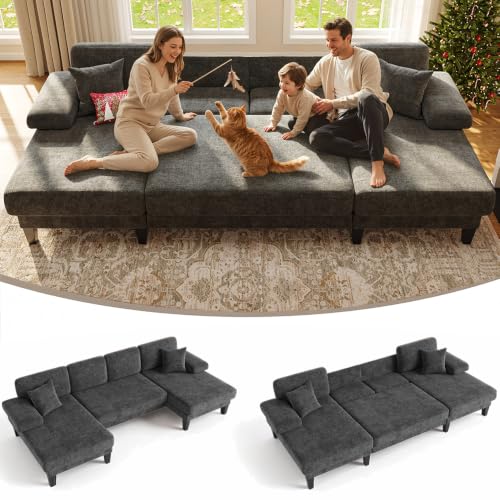
Larger modular couches where one section extends into a bed. Excellent for family rooms and multipurpose living spaces with more floor area.
Loveseat and Twin Convertibles
Smaller two-seat couches that unfold into a twin bed. The best fit for studios, home offices, and rooms where floor space is limited.
Chair-Bed Convertibles
Single-seat chairs that flatten into a narrow sleeper. Ideal for reading nooks and small guest corners, usually for short stays.
Reclining Sleeper Couches
Combine reclining seating with a fold-out sleeping surface. Feature-rich for their class, though the added mechanism needs careful inspection.
If your priority is a genuinely bed-like sleeping experience, a pull-out sleeper sofa with a dedicated mattress is usually the strongest choice. Fold-down and futon styles can be comfortable, but their sleeping surface is often thinner and firmer. For extremely tight spaces, compact twin convertibles and couches that turn into beds for small spaces are worth exploring before you settle on a full-size model.
What Actually Makes a Convertible Couch Comfortable
Comfort in a sleeper sofa comes from three layers working together: the mattress, the support mechanism, and the frame. Weakness in any one of them undermines the other two.
The Mattress Layer
Thickness and density matter more than the marketing label. A mattress that is too thin transmits the frame's pressure points directly to your body. High-density foam resists compression over time, while memory foam adds contouring and pressure relief. Innerspring sleeper mattresses offer a more traditional bouncy feel and strong edge support. Hybrid constructions combine foam comfort layers with spring cores for a balanced middle ground.
For anyone who will sleep on the couch regularly, look for a mattress at least several inches thick with a supportive core — not a thin pad. A mattress topper designed for sleeper sofas can meaningfully upgrade an otherwise firm surface, which is a practical strategy if the couch's primary role is seating and the sleeping use is occasional.
The Mechanism
The pull-out hardware is where quality differences become obvious. Entry-level mechanisms use lighter gauge metal and can feel wobbly after repeated use. Mid-range and premium mechanisms use reinforced steel, smoother glides, and locking positions that keep the bed stable. Test the mechanism in person if possible: it should extend and retract smoothly, lock firmly, and show no side-to-side play when the bed is deployed.
The Frame
Solid hardwood and high-grade plywood frames hold their shape and support the mechanism far better than particle board. A reinforced frame also prevents the sagging that makes a convertible couch feel lumpy within a year or two. When evaluating frames, check the weight capacity and the joinery — a solid build is the foundation of long-term comfort.
Comparing Convertible Couch Tiers
The table below summarizes how convertible couches differ across quality tiers. Rather than focusing on any single figure, use these tier descriptors to match the product to how often it will be used.
| Tier | Best For | Typical Construction | Sleep Frequency |
|---|---|---|---|
| Entry-level | Occasional guest use, spare rooms | Lightweight frame, thin foam mattress, basic fold-out mechanism | A few nights per year |
| Mid-range | Regular guests, multipurpose rooms | Hardwood frame, higher-density foam, smoother pull-out hardware | A few nights per month |
| Premium | Frequent hosting, small apartments | Reinforced steel mechanism, pocket-spring or hybrid mattress, breathable upholstery | Weekly or more |
| Luxury | Primary sleeping surface, high-traffic homes | Heavy-duty commercial-grade mechanism, high-resilience mattress, premium fabrics | Nightly use |
A useful rule of thumb: match the tier to the frequency of sleep, not to the visual style of the room. A beautiful entry-level couch that creaks and dips after a dozen nights is a false economy. Conversely, a luxury-tier sleeper sofa in a room that hosts guests twice a year is more capability than most households need.
Space Planning Before You Choose
Convertible couches require clearance in two states: closed and open. Measure the footprint of the couch when folded and add the extension depth of the bed when fully deployed. A queen-size pull-out can require a substantial amount of floor space in front of the couch, and if a coffee table or media console sits in that zone, the bed may not fit at all.
For rooms where floor space is at a premium, compact twin convertibles, loveseat sleepers, and comfortable sofa beds for small spaces are designed to reduce the open footprint. It is also worth checking how the couch will be delivered — narrow stairwells and tight doorways can rule out larger sectionals before comfort even enters the conversation.
Comfort Checklist: What to Evaluate Before Buying
Use this checklist when comparing convertible couches
- Mattress thickness and density — confirm the core type and whether it resists compression.
- Mechanism smoothness — the pull-out should glide without force and lock firmly.
- Frame material — solid hardwood or high-grade plywood over particle board.
- Seat depth in couch mode — deep enough to sit comfortably, not so deep the bed feels unsupported.
- Fabric breathability — performance fabrics and cotton blends sleep cooler than synthetic covers.
- Open footprint — measure the fully extended bed against your available floor space.
- Weight capacity — especially important if the couch doubles as a primary bed.
- Warranty on mechanism and mattress — a longer warranty signals confidence in durability.
Practical Tips to Make Any Sleeper Couch More Comfortable
Even a well-chosen convertible can be improved with a few adjustments. A dedicated sleeper-sofa mattress topper evens out firm spots and adds a plush comfort layer. Breathable bedding — cotton or linen sheets rather than heavy synthetic covers — helps regulate temperature, particularly on foam mattresses that can retain heat. If the couch sits on a hard floor, a rug underneath reduces noise from the mechanism and adds a layer of insulation.
For guests, a small basket of essentials (a reading light, a pillow with the right loft, and a light throw) turns a functional sleeping surface into a genuinely welcoming one. If the couch will be used nightly, rotate the mattress periodically if the design allows, and inspect the mechanism every few months for loose fittings.
Readers comparing different convertible formats may also find it useful to explore cool couches that turn into beds for design-forward options, couches that fold out into beds for fold-out mechanism details, and convertible sofa beds for a broader overview of the category. For very compact rooms, couch beds for small spaces covers space-efficient models in more depth.
Matching the Couch to the Sleeper
Comfort is personal. Side sleepers generally benefit from a softer, contouring surface with good pressure relief at the shoulders and hips — memory foam mattresses are often a strong fit. Back sleepers tend to prefer a firmer, more supportive surface that keeps the spine neutral. Stomach sleepers need enough firmness to prevent the midsection from sinking.
Because sleeper sofa mattresses are thinner than standard mattresses by design, the right topper can bridge the gap between the couch's default firmness and the sleeper's preference. If the couch will host a rotating cast of guests, a medium-firm hybrid mattress paired with an optional topper offers the most flexible middle ground.
Frequently Asked Questions
What type of couch converts into the most comfortable bed?
A sleeper sofa with a high-density foam or innerspring mattress and a solid hardwood frame typically offers the most comfortable sleeping surface. Pull-out couches with memory foam mattresses are also excellent choices for guest rooms and everyday use.
How can I make a convertible couch more comfortable for sleeping?
Add a mattress topper designed for sofa beds, use breathable bedding, and ensure the mattress has a supportive core rather than a thin pad. Checking the frame and mechanism for stability also improves comfort significantly.
Are couches that turn into beds suitable for daily sleeping?
Yes, if you choose a high-end tier sleeper sofa with a durable mechanism and a supportive mattress. Entry-level models are better suited for occasional use, while premium and luxury tiers are built for regular nightly sleep.
What size sleeper sofa should I choose for a small space?
Twin-size sleeper sofas and loveseat convertibles are ideal for compact rooms. Measure your available floor space when the bed is fully extended to ensure the mechanism has room to operate.
Ready to Compare Your Options?
Browse our curated selection of convertible couches and sleeper sofas below to find the right fit for your space, your guests, and your sleep.