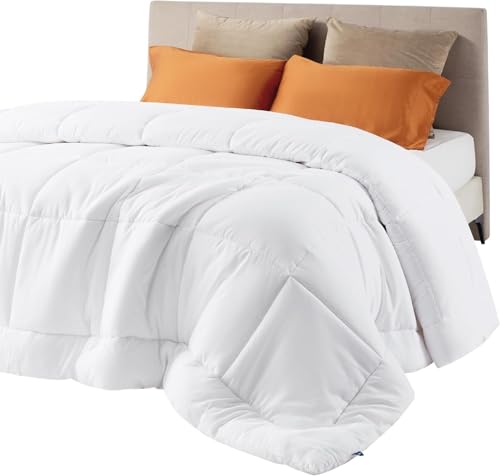
The Complete Guide to Down Bedspread Queen Size
Everything you need to know before choosing a queen down bedspread — fill power, construction, warmth ratings, care, and how to match one to your sleep style. Written for research-stage buyers who want clear, trustworthy answers.
Explore the Buying GuideWhy a down bedspread queen deserves your attention: A queen-size bed is the most popular mattress size in the United States, and the right down bedspread transforms it from a place you sleep into a place you genuinely look forward to. Down offers an unmatched warmth-to-weight ratio, breathes naturally to regulate temperature, and drapes beautifully across a queen mattress. This guide walks you through the technical details, comfort factors, and practical care requirements so you can make a confident decision.
What Exactly Is a Down Bedspread Queen?
A down bedspread queen is a bed covering filled with natural down clusters — the fluffy undercoating of waterfowl — encased in a fabric shell, sized specifically for a queen mattress (typically 60 by 80 inches). Unlike a standard comforter that sits on top of the bed and is often covered by a duvet, a down bedspread is usually designed to drape over the sides and foot of the bed, offering a finished, decorative look while still delivering real insulation.
Queen down bedspreads come in two main styles: the traditional quilted bedspread, which has a stitched pattern that keeps down evenly distributed, and the baffle-box construction, which uses internal fabric walls to create separate chambers that prevent down from shifting. Baffle-box designs typically provide better loft retention and more consistent warmth. Many queen down bedspreads also feature a lighter top layer and a more substantial underside, making them versatile enough for year-round use — ideal if you alternate between warm and cool seasons.
Because they serve both as a decorative top layer and a functional warm layer, down bedspreads are a practical choice for guest rooms, master bedrooms, and anyone who prefers a polished, hotel-style look without adding a separate duvet cover. If you also enjoy versatile bedding options, our daybed bedspread sets guide explores how bedspreads can work across different bed types.
Understanding Down Fill Power for a Queen Bedspread
Fill power is the single most important specification to understand when choosing a down bedspread queen. It measures the volume that one ounce of down occupies in cubic inches — essentially, how much loft or "fluff" the down provides. Higher fill power means the down traps more air per ounce, delivering more warmth with less weight.
| Tier | Fill Power Range | Best For | Characteristics |
|---|---|---|---|
| Essential tier | 500–600 | Everyday comfort, guest rooms | Solid warmth, slightly heavier, durable construction |
| Balanced tier | 600–700 | Year-round master bedroom use | Good loft, excellent breathability, moderate weight |
| Premium tier | 700–800 | Cold sleepers, luxury feel | Superior warmth-to-weight ratio, very airy, drapes elegantly |
| High-end tier | 800+ | Premium comfort seekers, cool climates | Exceptional loft, ultralight, flagship-level insulation |
For most queen beds, a 650–750 fill power bedspread hits the sweet spot: warm enough for cool nights, breathable enough for warmer months, and light enough to drape nicely over the edges of the mattress. Higher fill powers are not always "better" — they are lighter and warmer per ounce, but a very high fill power bedspread may feel too airy for someone who prefers a heavier, more grounded cover. Consider how you sleep: hot sleepers often prefer baffle-box construction with mid-range fill power, while cold sleepers gravitate toward high-loft down and a more substantial shell fabric.
Construction Matters: Baffle Box vs. Quilted Stitching
The shell construction determines how well the down stays evenly distributed across the queen mattress. Two dominant approaches exist, and each has clear trade-offs.
Baffle Box Construction
Baffle boxes use internal fabric walls (baffles) to create separate chambers of down. Because the down is not compressed by stitching, it can reach its full loft, delivering maximum warmth with minimum weight. The main drawback is that a baffle-box bedspread can feel slightly airier and may allow down to migrate between chambers over time if the baffles are not well-secured. High-quality baffle-box queen down bedspreads use reinforced stitching and double-stitched seams to keep chambers intact.
Quilted Stitching
Quilted construction stitches the top and bottom layers together in a pattern, creating a flatter, more uniform surface. This style looks more tailored and traditional, and the stitching keeps down firmly in place. The trade-off is reduced loft at the stitch lines, which can create slightly cooler spots. Quilted down bedspreads often work well as a decorative top layer over a warmer comforter, or as a standalone cover in milder climates.
For a queen down bedspread that will serve as your primary warm layer, baffle-box construction is generally the stronger choice. If you want a polished, decorative look and plan to layer it over other bedding, a quilted design is perfectly appropriate. Whichever construction you choose, look for a shell fabric with a tight weave (often 300 thread count or higher) to prevent down leakage, and check for a sewn-through or baffled edge finish that keeps the perimeter looking crisp.
Sizing a Down Bedspread for Your Queen Mattress
A standard queen mattress measures 60 by 80 inches. Down bedspreads come in two common sizes for queen beds: the standard queen bedspread and the oversized queen bedspread. Standard queen bedspreads typically measure around 90 by 100 inches, offering a modest drape over the sides. Oversized versions measure closer to 100 by 110 inches, providing a more generous drape that reaches toward the floor on three sides.
Consider your bed frame height and your personal drape preference. On a platform bed with a low profile, a standard queen down bedspread may reach near the floor, creating a clean, tailored look. On a taller bed frame, an oversized queen bedspread will provide a fuller, more traditional drape. If you use a bed skirt or have a storage bed, the drape length may not be as visible, so standard sizing is often sufficient.
If you are still deciding on a bed foundation, our guide to different bed types can help you understand how bed height and style interact with bedding choices. For those comparing similar bedding categories, our down bedspreads overview covers the full range of down bedding options, and our king-size down bedspreads guide offers parallel advice for larger beds.
Warmth, Breathability, and Sleep Temperature
Down is naturally breathable, meaning it can help regulate your body temperature across the night. A quality queen down bedspread does not just trap heat — it manages moisture and airflow, which is why so many sleepers find down more comfortable than synthetic fills. The shell fabric plays a major role here: cotton shells are breathable and soft, while polyester blends can trap more heat.
For hot sleepers, choose a bedspread with a lighter fill weight (often labeled "all-season" or "lightweight") and a breathable cotton shell. For cold sleepers, a heavier fill weight (sometimes called "winter weight") paired with a high fill power provides substantial warmth without excessive bulk. Couples with different temperature preferences often benefit from a down bedspread layered with a lighter blanket that one partner can pull up or push aside independently.
Warmth is not the only comfort factor. The drape and hand-feel of the shell fabric matter a great deal in a bedspread that sits directly against your body or decorative bedding. Look for soft, brushed cotton or sateen finishes if you sleep with the bedspread directly over you, and choose a crisper finish if the bedspread is primarily a decorative layer over a comforter. Our elegant bedspreads queen size guide explores how fabric finishes affect the overall aesthetic and feel of your bedding.
Allergies, Ethics, and Down Alternatives
Down can be a concern for people with dust sensitivities, though high-quality down that has been thoroughly washed and certified allergen-free is often well-tolerated. Look for down that carries a responsible-down certification, which verifies that the down has been ethically sourced and processed to remove dust and allergens. If you have a known feather or down allergy, a down alternative fill may be a better choice — modern microfiber fills mimic the loft and softness of down remarkably well, though they are generally heavier and less breathable.
Ethical sourcing matters to many buyers. Responsible Down Standard (RDS) and similar certifications confirm that the down comes from birds that were not force-fed or live-plucked. These certifications are increasingly common on quality down bedspreads, so check the product labeling or the brand's website. If you value natural, breathable materials and are comfortable with animal-derived fill, down remains one of the most durable and effective bedding insulations available.
How to Care for a Queen Down Bedspread
Proper care dramatically extends the life of a down bedspread. Down is a natural material that can last for decades if maintained correctly. Here is a practical care routine:
- Daily: Shake the bedspread lightly each morning to redistribute down and allow it to air out. Avoid making the bed immediately after waking — letting moisture evaporate first keeps the down fresh.
- Weekly: Spot clean any marks with a damp cloth and mild detergent. Vacuum the surface gently with a brush attachment to remove dust and allergens.
- Seasonally: Wash the bedspread two to three times per year, or more often if you sleep with it directly against your body. Use a front-loading commercial washer and a specialized down detergent — never use fabric softener, which coats the down and reduces loft.
- Drying: Tumble dry on low heat with clean tennis balls or wool dryer balls. The balls break up clumps and restore loft. Ensure the bedspread is completely dry before use — damp down can develop mildew and lose its insulating power.
- Storage: Store in a breathable cotton bag or a loose pillowcase, not in a vacuum-sealed plastic bag. Compressing down for long periods can damage the clusters. Store in a dry, cool location.
Always check the care label on your specific bedspread, as shell fabrics vary and some may require gentler handling. If the bedspread has a decorative trim or embroidery, a professional down-cleaning service may be the safest option.
What to Look for When Buying a Down Bedspread Queen
With so many options on the market, narrowing your choice comes down to a few key specifications. Use this checklist to evaluate any queen down bedspread you are considering:
- Fill power: 600–700 for year-round use, 700+ for cold sleepers or lighter weight preference.
- Construction: Baffle box for maximum loft and warmth; quilted for a tailored decorative look.
- Shell fabric: Cotton or cotton-rich blends for breathability; high thread count to prevent down leakage.
- Size and drape: Standard queen for a modest drape, oversized queen for a fuller, floor-reaching look.
- Certifications: Responsible Down Standard or equivalent ethical sourcing certification; allergen-free processing if relevant.
- Warranty and returns: A reputable brand stands behind its construction with a multi-year warranty and a reasonable return window.
If you are also outfitting a guest room or secondary bed, our king-size down bedspreads guide follows the same evaluation framework for larger beds, and our extra-large California king bedspread article covers the largest standard size. For a broader look at bedding categories, the duvet covers guide explains how covers interact with down-filled layers.
Layering a Down Bedspread for Style and Comfort
A queen down bedspread is remarkably versatile as a layering piece. In warmer months, use it alone as a lightweight cover with a breathable cotton sheet underneath. In cooler months, layer it over a heavier comforter or under a quilt for extra warmth. The key is to avoid compressing the down — heavy layers placed directly on top of a high-loft bedspread can reduce its insulating efficiency.
For a polished hotel-style look, choose a bedspread in a neutral tone that complements your bedroom palette, and fold the top edge back to reveal a contrasting sheet or blanket. Adding decorative pillows and a textured throw can complete the look without interfering with the bedspread's function. If you enjoy coordinating bedding across different bed types, our daybed bedspread sets guide shows how bedspreads can unify a room's design. For color inspiration, our deep purple bedspread article explores how a bold bedspread can anchor a bedroom's color scheme.
Frequently Asked Questions About Down Bedspread Queen
Is a down bedspread warmer than a comforter?
Not necessarily. Warmth depends primarily on fill weight and fill power, not on the label "bedspread" versus "comforter." A high-loft down bedspread with a heavy fill weight can be warmer than a lightweight comforter. Compare fill weight and fill power directly rather than relying on the product category name.
Can I use a down bedspread without a duvet cover?
Yes. Many queen down bedspreads are designed to be used directly on the bed, with a decorative shell fabric that looks finished without a cover. This is one of the main advantages of a bedspread over a comforter, which usually requires a duvet cover for protection and aesthetics.
How often should I replace a down bedspread?
A well-made down bedspread can last 10 to 15 years or longer with proper care. Signs it is time to replace include persistent flat spots, down leakage through the shell, a noticeable loss of loft, or a shell fabric that has worn thin. Regular washing and proper storage extend the lifespan significantly.
Will a queen down bedspread fit a full-size bed?
A queen down bedspread will be too large for a full-size mattress, resulting in excess fabric pooling on the sides and floor. For a full-size bed, choose a full-size bedspread. If you are unsure about sizing across bed types, our guide to different bed types explains the standard dimensions for each size.
Ready to explore your options? Browse our curated selection of down bedspread queen products below. Each listing includes detailed specifications, customer feedback, and availability information to help you make a confident choice.