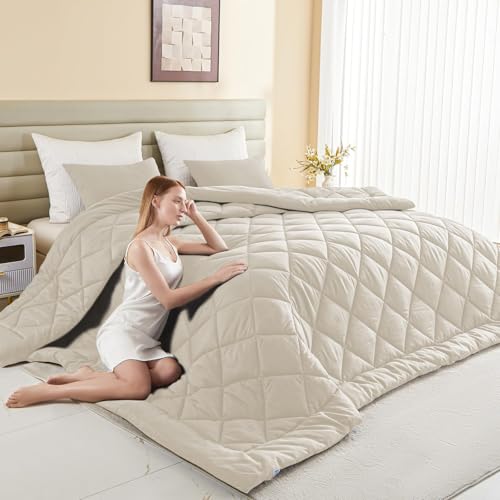
Down Bedspreads King Size: The Complete Buying Guide
Warmth, loft, and a cloud-like feel—down bedding is the benchmark for luxurious sleep. This guide explains fill power, shell fabrics, construction, and sizing so you can choose a king-size down bedspread with confidence.
Why down bedding is worth understanding: Down is the soft, insulating layer beneath feathers that gives waterfowl their natural warmth. In bedding, down is prized for its exceptional warmth-to-weight ratio, breathability, and ability to loft back into shape after compression. For a king-size bed, choosing the right down bedspread involves more than picking a color—fill quality, shell fabric, and construction all influence comfort and longevity. This guide is written for research-stage buyers who want clear, trustworthy guidance before committing to a premium down product.
What Is a Down Bedspread?
A down bedspread is a bed covering filled with natural down clusters, usually enclosed in a quilted shell to distribute the fill evenly. In everyday use, "down bedspread" often overlaps with "down comforter." The main distinction is styling and weight: a bedspread typically covers the whole bed with a decorative drop, while a comforter is a filled top layer often used with a duvet cover. King-size versions are sized to fit standard king mattresses with appropriate overhang.
Down vs Down-Alternative
Down is a natural fill sourced from ducks or geese. Down-alternative uses synthetic fibers designed to mimic down's loft and softness. Down provides the highest warmth-to-weight ratio and tends to last longer when properly cared for. Down-alternative is a good choice for sleepers with animal-product sensitivities and is easier to launder at home.
Down vs Feather
Feathers are larger, flatter, and stiffer than down clusters. Some bedspreads blend down and feathers to add weight and structure, but pure down delivers the airy, cloud-like feel that most buyers associate with luxury bedding. If a product is labeled "down bedspread," check whether the fill is pure down or a blend.
Fill Power and Warmth
Fill power is a measure of how much volume one ounce of down occupies. Higher fill power means larger, stronger clusters that trap more air—translating to more warmth with less weight.
Standard Fill
Lower fill power down clusters. Heavier for the same warmth. Common in entry-level and mid-range down bedding.
Mid-Range Fill
A step up in loft and lightness. Good balance of warmth and weight for most sleepers in typical bedrooms.
Premium Fill
High-quality clusters with excellent loft. Noticeably lighter for the warmth delivered. Common in premium and luxury tiers.
Flagship Fill
Top-tier down with exceptional loft and durability. Often used in luxury and high-end tier bedding intended for long-term use.
Warmth Ratings
Many down bedspreads are described as "all-season," "lightweight," or "extra warm." For a king bed shared by two sleepers, an all-season option is often the safest starting point. Sleepers who run warm may prefer a lighter fill, while those in cold climates or in drafty bedrooms may want a heavier option.
Comfort tip: The ideal sleep environment is generally cooler than the rest of the bedroom. Pairing a warm down bedspread with breathable cotton or linen sheets lets you regulate temperature. See our guide to the sleep environment for more on bedroom temperature and airflow.
Shell Fabrics for Down Bedspreads
The shell is the fabric that holds the down fill. It affects breathability, durability, allergen control, and how the bedspread feels against your skin.
Cotton Shells
High-quality cotton shells are breathable, soft, and durable. Look for a tight weave to help keep down clusters from migrating through the fabric. Premium and luxury tier down bedding commonly uses fine cotton shells with high thread counts and down-proof construction.
Baffle-Box Construction
Baffle-box construction uses internal fabric walls to create separate chambers for the down. This prevents fill from shifting and allows the down to fully loft. Baffle-box construction is generally found in premium and luxury tiers and is one of the best indicators of quality.
Quilted Shells
Quilted construction is common in down bedspreads and comforters that are intended to look decorative on the bed. Dense quilting keeps fill in place but can slightly reduce loft compared to baffle-box designs.
Down-Proof Weaves
Down-proof fabrics are tightly woven to prevent fill from poking through. This is particularly important for high fill-power down, since finer clusters can slip through looser weaves. Down-proof shells also help reduce allergen exposure inside the bedroom.
King Sizing for Down Bedspreads
A standard king mattress measures 76 inches wide by 80 inches long. A king-size down bedspread is cut larger to allow for overhang on the sides and foot of the bed. The exact dimensions vary by manufacturer, so always check the cut size rather than relying on the label.
Standard King vs California King
A California king mattress measures 72 inches wide by 84 inches long—narrower and longer than a standard king. If you have a California king, look for a bedspread labeled specifically for that size. See our guide to California king bedspreads for sizing details.
Drop Considerations
The drop is how far the bedspread hangs over the sides of the bed. Measure from the top of your mattress to the floor. If you want the bedspread to reach the floor, add that distance to the mattress dimensions. A shorter drop can look more tailored and is easier to manage on a large bed.
King Bed Height
Tall mattresses or a mattress plus box spring combination change the effective bed height. Higher beds may need a bedspread with a deeper drop. Confirm both the mattress dimensions and the bedspread cut size before ordering.
Comparing Down Bedspread Tiers
Down bedspreads vary widely in fill quality, shell fabric, and construction. The table below uses a consistent tier framework to help you understand what each level typically delivers.
| Tier | Best For | Typical Construction | Key Characteristics |
|---|---|---|---|
| Entry-Level | Guest rooms, seasonal use, first down purchase | Standard fill, quilted cotton or microfiber shell | Basic warmth, moderate loft, simpler construction |
| Mid-Range | Primary bedrooms, daily winter use | Higher fill quality, quilted or light baffle construction | Better loft and warmth-to-weight ratio, smoother shells |
| Premium | Year-round primary bedrooms, design-focused rooms | High fill power down, baffle-box construction, down-proof cotton shell | Noticeably lighter for the warmth, excellent drape |
| Luxury | Primary suites, luxury guest rooms, long-term investment | Top-tier down, fine cotton or silk-blend shells, artisan finishing | Exceptional loft and softness, premium detailing, high durability |
When comparing tiers, consider how often the bedspread will be used and how temperature-sensitive you are. A premium or luxury tier down bedspread typically delivers more warmth per pound of fill, which can feel more comfortable and less constraining on a king-size bed.
Layering a King Down Bedspread
A down bedspread works best as part of a layered bedding system. Layering lets you adjust warmth and adds visual depth to a large bed.
Sheets
Start with breathable sheets that suit the season. Cotton and linen sheets are common choices for pairing with down. Our guide to sheets and linens covers fabric options and fit.
Middle Layers
A lightweight quilt or blanket between the sheets and the down layer adds warmth on very cold nights. For a coordinated look, explore a quilt for beds that complements the down bedspread.
Pillows
Down pillows complete the luxury bedding setup, but not every sleeper finds down pillows comfortable. Review our pillows category for firmness and fill options.
Neutral and Statement Palettes
A neutral bedspread palette keeps a king bed looking calm and hotel-inspired. For a bolder look, consider a navy blue bedspread or a white queen bedspread for a crisp, classic base—though confirm sizing when choosing a king.
Care and Longevity for Down Bedding
Down bedding is a long-term investment when cared for properly. Follow these guidelines to protect fill quality and shell integrity.
- Read the care label first. Some down bedspreads require professional cleaning, while others can be laundered at home.
- Use a front-loading washer for home washing. Top-loaders with agitators can damage the baffles and shell.
- Use a gentle, down-specific detergent. Regular detergents can strip down's natural oils and reduce loft.
- Dry thoroughly with dryer balls. Down must be completely dry to prevent mildew. Low heat with dryer balls helps redistribute fill.
- Air regularly. Between washes, airing the bedspread in a well-ventilated space helps refresh the fill.
- Use a duvet cover or top sheet. A protective layer reduces the need for frequent laundering of the down bedspread itself.
- Store in a breathable bag. Avoid plastic containers that trap moisture. Store loosely folded in a cotton bag in a dry place.
For broader protection of your mattress and bedding, see our guide to mattress encasements.
Related Bedroom Reading
Down bedding sits within a broader bedroom design and sleep comfort picture. These guides may help as you plan your setup:
- California king bedspreads — sizing guidance for the California king mattress.
- King quilts for beds — lighter alternatives for king beds.
- High-end bedspreads — a broader look at premium bedspread options.
- Types of king-size beds — how standard king and California king compare.
- Queen-size beds — helpful sizing reference if you are considering a queen.
- White queen bedspread — why white bedding remains a classic base.
- Navy blue bedspread — a rich, dramatic palette for king bedrooms.
- Neutral bedspread — versatile palettes for a calm, hotel-inspired bedroom.
- Purple silk bedspread — a closer look at silk as a bedding material.
- Vintage chenille bedspreads — a classic texture with a timeless feel.
- Sheets and linens — choosing sheets to pair with down bedding.
- Quilt for beds — layering options with a down bedspread.
- Pillows — pillow options for a king-size bed.
- Mattress encasements guide — protecting your mattress and bedding.
- Sleep environment — temperature and airflow tips for better sleep.
- Master bedroom — whole-room design guidance for larger bedrooms.
- Modern bedroom ideas — contemporary pairings for premium bedding.
- Vintage bedroom decor — classic styling that pairs with down bedding.