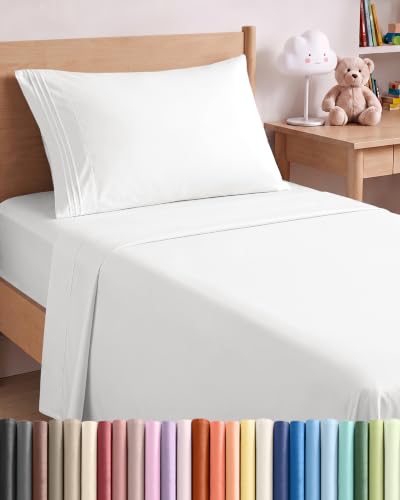
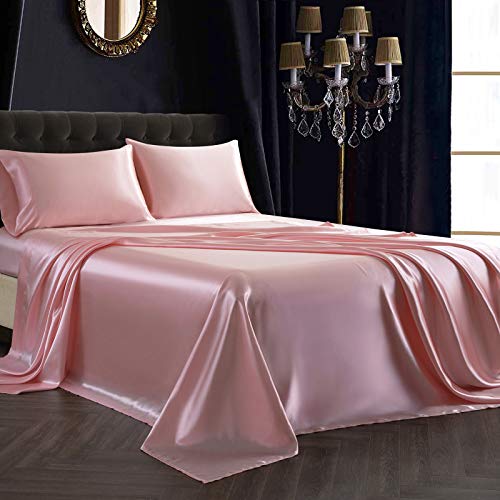
Extra Long Sheets for Dorm Beds: The Complete Guide
Dorm beds are notoriously tricky to dress. Standard twin sheets often fall short — literally. Here's everything you need to know about finding extra long sheets that fit, last, and keep you comfortable all semester.
Explore Top PicksWhy Extra Long Sheets Matter for Dorm Beds
If you've ever tried to stretch a standard twin fitted sheet over a college dorm mattress, you know the struggle. Most dorm mattresses are Twin XL (Extra Long Twin), measuring 39 inches wide by 80 inches long — five inches longer than a standard twin. That extra length is the difference between a sheet that stays put and one that pops off the corner every night.
Beyond fit, the right sheets affect your sleep quality, hygiene, and how easy your dorm room is to maintain. College life comes with enough adjustments — your bedding shouldn't be one of them. This guide breaks down everything from dimensions and materials to care routines and style choices, so you can make a confident purchase and focus on what matters: your studies and your rest.
Quick Tip: Always confirm your dorm's mattress size before ordering. While Twin XL is the standard at most U.S. colleges, a few institutions still use regular twin or full-size mattresses. A quick check with your housing office saves you the hassle of returns.
Twin XL vs. Standard Twin: What's the Difference?
Understanding the dimensions is the first step toward buying sheets that actually fit. Here's how the two most common dorm mattress sizes compare:
| Feature | Standard Twin | Twin XL (Extra Long) |
|---|---|---|
| Width | 39 inches | 39 inches |
| Length | 75 inches | 80 inches |
| Common Use | Kids' beds, guest rooms | College dorms, adjustable beds |
| Sheet Fit | Standard twin sheets | Extra long twin sheets required |
The five-inch length difference might not sound like much, but it's enough to make standard twin sheets unusable on a dorm mattress. Fitted sheets with deep pockets and elastic all around are your best bet for a snug, stay-put fit. Flat sheets and pillowcases are more forgiving, but matching your full set to Twin XL ensures a cohesive look and proper coverage.
If you're outfitting a dorm room from scratch, consider pairing your sheets with a dorm room bed setup guide and exploring options like dorm bedside shelves to maximize your limited space.
Choosing the Right Material for Dorm Sheets
Dorm life puts bedding through a lot: frequent washing, shared laundry facilities, and the wear and tear of daily use. The material you choose affects comfort, durability, and how easy your sheets are to maintain. Here's a breakdown of the most common options, organized by quality tier:
Essential Tier: Microfiber and Polyester Blends
Microfiber sheets are a popular entry-level choice for dorms. They're soft, wrinkle-resistant, and typically hold up well to repeated washing. They also tend to be lightweight and quick-drying, which is a plus in shared laundry rooms. The trade-off is breathability — microfiber can trap heat, so hot sleepers may want to look elsewhere.
Balanced Tier: Cotton and Cotton Blends
Cotton sheets offer a good balance of comfort, breathability, and durability. Percale weave cotton is crisp and cool, making it ideal for warm dorm rooms. Sateen weave is smoother and slightly heavier, which some sleepers prefer for cooler months. Cotton-polyester blends combine the softness of cotton with the wrinkle resistance of polyester — a practical mid-range option for students who want low-maintenance bedding.
Premium Tier: Egyptian Cotton and Long-Staple Cotton
If you're investing in bedding you'll use for years, long-staple cotton (including Egyptian cotton) is a high-end tier choice. These sheets are softer, more durable, and more breathable than standard cotton. They also tend to resist pilling better over time. For a dorm setup, this is a long-term investment that pays off in comfort and longevity.
Top-Tier: Linen and Bamboo
Linen sheets are breathable, moisture-wicking, and get softer with every wash — a top-tier option for students in humid climates or those who run warm. Bamboo sheets are similarly breathable and have a silky-smooth feel, though they require gentler care. Both are worthwhile investments if you prioritize sleep quality and plan to keep your bedding beyond graduation.
Editor's Note: For most students, a mid-range cotton or cotton-blend set offers the best combination of comfort, durability, and ease of care. If you're shopping for a full bedding refresh, you might also want to explore Egyptian cotton bedsheets for a step up in softness and longevity.
Key Features to Look For in Extra Long Dorm Sheets
Not all Twin XL sheets are created equal. Here are the features that make the biggest difference in fit, comfort, and durability:
- Deep pockets: Look for fitted sheets with pocket depths of at least 14 inches. Dorm mattresses are often thicker than standard mattresses, especially if you add a mattress topper.
- All-around elastic: Fitted sheets with elastic around the entire perimeter stay in place better than those with elastic only at the corners.
- Reinforced seams: Double-stitched or reinforced seams extend the life of your sheets, especially important for frequent washing.
- Breathable fabric: If your dorm lacks air conditioning or you sleep warm, prioritize breathable materials like cotton, linen, or bamboo.
- Easy-care instructions: Look for machine-washable, tumble-dry-friendly sheets. Dorm laundry rooms are not the place for delicate, hand-wash-only bedding.
- Color and style: Neutral tones hide stains better, while bold colors and patterns add personality to a small space. If you're coordinating with other bedding, consider matching your sheets with a daybed bedspread set or a down bedspread for a cohesive look.
How to Care for Your Dorm Sheets
Proper care extends the life of your sheets and keeps your sleeping environment fresh. Follow these practical tips:
- Wash weekly: Dorm life means shared spaces and less-than-ideal air circulation. Washing your sheets weekly helps control dust mites, allergens, and odors.
- Use gentle detergent: Harsh detergents and bleach can break down fibers over time. A mild, fragrance-free detergent is gentler on fabrics and skin.
- Wash in cold or warm water: Hot water can shrink cotton and fade colors. Cold or warm water is sufficient for most sheets and gentler on fabrics.
- Tumble dry low: High heat damages elastic and weakens fibers. Tumble dry on low and remove sheets promptly to minimize wrinkles.
- Rotate sets: If you have two sets of sheets, rotate them weekly. This gives each set time to rest and extends overall lifespan.
For more tips on keeping your sleep environment clean and comfortable, explore our mattress care guide and sleep hygiene resources.
Dorm Sheet Buying Checklist
Before you add sheets to your cart, run through this quick checklist to make sure you're getting the right set:
- ✅ Confirmed your dorm mattress is Twin XL (39" x 80")
- ✅ Fitted sheet has deep pockets (14" or more) and all-around elastic
- ✅ Material matches your sleep temperature (breathable for hot sleepers, cozy for cold sleepers)
- ✅ Set includes a flat sheet and at least one pillowcase
- ✅ Sheets are machine-washable and dryer-friendly
- ✅ Color and style fit your dorm decor plan
If you're also shopping for other dorm essentials, you might find our guides on dorm room bunk beds and cute beds helpful for creating a space that feels like home.
Frequently Asked Questions About Extra Long Sheets for Dorm Beds
Are extra long sheets the same as Twin XL sheets?
Yes — "extra long sheets" and "Twin XL sheets" refer to the same thing. Both are designed to fit mattresses that measure 39 inches wide by 80 inches long. When shopping, you'll see these terms used interchangeably.
Can I use standard twin sheets on a dorm bed?
You can try, but standard twin sheets are five inches shorter than Twin XL sheets. A fitted sheet may pop off the corners or leave the bottom of the mattress exposed. Flat sheets will be too short to tuck in properly. For a secure fit, stick with Twin XL sheets.
How many sets of sheets should I bring to college?
Two sets is the sweet spot. One stays on the bed while the other is in the wash. Having a backup set means you're never stuck waiting for laundry to finish before you can sleep.
What's the best material for dorm sheets?
It depends on your priorities. Cotton and cotton blends offer the best balance of comfort, breathability, and durability for most students. Microfiber is a practical entry-level option that's wrinkle-resistant and easy to care for. Linen and bamboo are top-tier choices for hot sleepers and those willing to invest in long-term comfort.
Do I need a mattress topper for my dorm bed?
Most dorm mattresses are functional but not particularly comfortable. A mattress topper can add cushioning and support, but it also increases mattress height. If you use a topper, make sure your fitted sheets have deep pockets (14 inches or more) to accommodate the extra thickness.
Related Reading for Dorm and Small-Space Sleepers
Setting up a dorm room is about more than just sheets. If you're looking to make the most of your space, explore these guides:
- Extra Long Twin Beds for Adults — For tall sleepers who need the extra length beyond dorm years.
- Dorm Room Beds — Complete guide to choosing and setting up dorm beds.
- Dorm Room Bunk Beds — Space-saving options for shared dorm rooms.
- Custom Made Bunk Beds for Small Rooms — Clever solutions for compact spaces.
- Dust Ruffles for XL Twin Beds — Finishing touches for a polished dorm bed.
- Dorm Bedside Shelf — A practical accessory for keeping essentials within reach.
Ready to Upgrade Your Dorm Bedding?
Browse our curated selection of extra long sheets and dorm essentials. Whether you're looking for entry-level microfiber or premium long-staple cotton, we've got options for every sleeper and every dorm room.
View Top Picks