
Foam Beds in a Box: The Complete Buyer's Guide
Everything you need to know about compressed foam mattresses — from material science and firmness levels to sizing, setup, and long-term care. Make an informed decision before you buy.
Explore Top PicksWhat Is a Foam Bed in a Box?
A foam bed in a box is a mattress built primarily from polyurethane foam, memory foam, or latex foam layers — compressed, rolled, and vacuum-sealed into a compact box for direct-to-door delivery. Unlike traditional innerspring mattresses that require showroom visits and bulky transportation, these products arrive at your doorstep and expand to full size once unboxed.
The category has grown rapidly because it solves several practical problems: shipping efficiency, lower logistical overhead, and the ability for manufacturers to sell directly to consumers without intermediary markups. For shoppers researching online, this means greater transparency in material specifications and the ability to compare layer-by-layer construction before committing.
If you are also considering hybrid designs that combine foam with pocketed coils, our guide to flippable mattresses covers another category worth exploring. And if space-saving furniture interests you, the fold-out beds for small spaces resource provides complementary ideas for compact living.
How Compression and Shipping Work
Understanding the compression process helps set realistic expectations. Manufacturers compress foam layers using industrial rollers and vacuum presses, reducing a queen-size mattress to roughly one-fifth of its original volume. The sealed package is then boxed and shipped via standard parcel carriers.
Expansion Timeline
- First 1–2 hours: The mattress expands to roughly 80% of its final height. You can sleep on it the first night, though it may feel slightly firmer.
- 24–48 hours: Most models reach full loft. Minor odor from manufacturing may dissipate within this window.
- Up to 72 hours: Some high-density models need additional time for complete recovery, especially in cooler rooms.
Room temperature plays a meaningful role. Foam expands faster in a warm room (above 65°F / 18°C). In colder environments, allow extra time and consider placing the mattress near a heater — never directly on a heat source — to speed recovery.
Foam Types and Material Layers
Not all foam is created equal. The performance, durability, and feel of a foam bed in a box depend heavily on the density and type of foam used in each layer. Here is a breakdown of the most common materials you will encounter.
Memory Foam
Viscoelastic polyurethane foam that responds to heat and pressure, contouring to your body shape. It excels at pressure relief and motion isolation — ideal for couples and side sleepers. High-density memory foam (above 4 lb/ft³) is more durable and resists sagging longer than low-density variants.
Polyurethane Support Foam
The foundational layer in most foam beds. It provides the structural base and determines overall firmness. Look for densities of at least 1.8 lb/ft³ for the support core; higher-density cores are associated with longer service life and better edge support.
Gel-Infused and Cooling Foams
Traditional memory foam can retain heat. Gel beads, graphite particles, or phase-change materials are infused into the foam to improve thermal conductivity. These enhancements are particularly valuable if you sleep warm or live in a humid climate.
Latex Foam
Natural or synthetic latex offers a bouncier, more responsive feel than memory foam. It is naturally breathable, resistant to dust mites, and highly durable. Latex beds in a box occupy the premium and luxury tiers of the market and appeal to sleepers who want pushback rather than contouring.
| Foam Type | Feel | Best For | Durability Tier |
|---|---|---|---|
| Memory Foam | Contouring, slow response | Side sleepers, pressure relief, couples | mid-range to premium |
| Polyurethane Support Foam | Firm, neutral | Base layer, back and stomach sleepers | entry-level to mid-range |
| Gel-Infused Foam | Cooler contouring | Hot sleepers, humid climates | mid-range to premium |
| Latex Foam | Bouncy, responsive | Combination sleepers, eco-conscious buyers | premium to luxury |
For a broader comparison of mattress constructions, including hybrid and innerspring options, explore our full mattress buying guide. If you are outfitting a guest room or vacation property, the full beds for sale page offers additional sizing context.
Choosing the Right Firmness Level
Firmness is subjective, but the industry uses a standard 1–10 scale. Most foam beds in a box fall between 4 and 8, with medium-firm (6–7) being the most popular choice for the broadest range of sleepers.
Firmness by Sleep Position
- Side sleepers: Medium-soft to medium (4–6) relieves pressure on shoulders and hips. A mattress that is too firm can cause numbness and tossing.
- Back sleepers: Medium-firm (6–7) supports the lumbar curve while preventing excessive sinkage.
- Stomach sleepers: Firm (7–8) keeps the hips elevated and the spine aligned. Soft foam can cause the midsection to sag.
- Combination sleepers: Medium (5–6) offers a balance; responsiveness matters more than absolute firmness.
Body Weight Considerations
Heavier sleepers (above 230 lbs / 104 kg) generally benefit from firmer, higher-density foam beds. Lower-density foams may compress too deeply and wear faster under higher loads. Conversely, lighter sleepers may perceive a medium mattress as firmer than advertised because they do not sink as deeply.
Sizing and Sleep Positions
Foam beds in a box are available in all standard sizes, from twin to California king. Because they ship compressed, sizing accuracy is generally reliable — but always confirm the expanded dimensions, as some models run slightly short or narrow.
| Size | Dimensions (in) | Best For |
|---|---|---|
| Twin | 38 × 75 | Children, guest rooms, solo sleepers with limited space |
| Twin XL | 38 × 80 | Dorm rooms, taller solo sleepers |
| Full | 54 × 75 | Solo adults, teens, smaller bedrooms |
| Queen | 60 × 80 | Couples, master bedrooms — the most popular size |
| King | 76 × 80 | Couples who want extra space, larger bedrooms |
| California King | 72 × 84 | Taller sleepers, couples who prefer extra length |
When choosing a size, account for frame dimensions and room layout. A queen mattress needs a frame with at least 60 × 80 inches of internal space. If you are furnishing a smaller room, the full double beds reference helps clarify the difference between full and double sizing, which are often used interchangeably.
For households with children or guests, you may also want to review full size beds for sale with mattress bundles, which can simplify the purchasing process by combining frame and mattress in one order.
Foam Beds vs. Other Mattress Types
Foam beds in a box are one option among several. Here is how they compare to other common mattress categories so you can make a confident decision.
| Feature | Foam in a Box | Innerspring | Hybrid | Latex |
|---|---|---|---|---|
| Motion Isolation | Excellent | Low | Good | Moderate |
| Edge Support | Moderate (varies) | Good | Very good | Good |
| Breathability | Moderate (improving) | High | High | High |
| Shipping Convenience | Excellent (compressed) | Low (bulky) | Moderate | Low to moderate |
| Durability Tier | entry-level to premium | mid-range to premium | premium to luxury | premium to luxury |
If you tend to sleep hot, a hybrid or latex model may be more comfortable. If you prioritize pressure relief and motion isolation — especially as a side sleeper or couple — a foam bed in a box is an excellent match. For a deeper dive into alternative constructions, see our mattress comparison resource.
Unboxing and Setup Process
Setting up a foam bed in a box is straightforward, but a few best practices will help you avoid frustration and ensure proper expansion.
- Move the box to the intended room first. A queen-size box can weigh 60–90 lbs; dragging it after unboxing is impractical.
- Place the compressed mattress on the bed frame or floor. Position it where it will ultimately stay.
- Carefully cut the outer plastic wrap. Avoid using a sharp blade that could nick the foam.
- Unroll the mattress. It will begin expanding immediately. Remove all packaging materials from the room.
- Allow 24–72 hours for full expansion. You can sleep on it after a few hours, but final loft may take longer.
If you are setting up a guest or spare room, consider pairing your foam mattress with a full platform bed with headboard for a clean, supportive foundation. For adjustable base compatibility, review our notes on footboards for adjustable beds to ensure proper fit.
Long-Term Care and Maintenance
A quality foam bed in a box can last 7–10 years or more with proper care. Follow these maintenance practices to extend its service life.
- Use a mattress protector. A waterproof, breathable protector shields the foam from spills, sweat, and allergens. Wash it monthly.
- Rotate the mattress every 3–6 months. Most foam beds are not flippable, but head-to-foot rotation promotes even wear.
- Vacuum the surface periodically. Use a upholstery attachment on low suction to remove dust and debris.
- Keep the foundation clean and dry. Moisture trapped beneath the mattress can degrade foam over time.
- Avoid direct sunlight and heat sources. Prolonged exposure can cause foam to yellow and lose resilience.
Spot-clean stains with a mild detergent and cool water, then blot dry — never saturate the foam. For deeper cleaning guidance, refer to our how to clean a mattress article. If you are considering a topper to adjust firmness or add plushness, see our mattress toppers resource.
Who Should (and Shouldn't) Buy a Foam Bed in a Box
Ideal For
- Side sleepers who need pressure relief at shoulders and hips.
- Couples who value motion isolation — one partner's movement won't disturb the other.
- Online shoppers who prefer researching specifications and reading reviews before buying.
- Apartment dwellers and movers who appreciate lightweight, easy-to-transport packaging.
- Guest room and rental property owners who need reliable, low-maintenance bedding.
May Not Be Ideal For
- Hot sleepers who have not chosen a cooling-enhanced model. Traditional memory foam can retain heat.
- Heavier sleepers who require very high-density support — though premium and luxury tier foam models now address this.
- Those who prefer a bouncy, traditional feel — latex or hybrid may be a better match.
- Shoppers who want to try before buying — though sleep trials mitigate this concern.
If you are exploring options for a child's room or a growing family, the kids beds section provides guidance on age-appropriate sleep setups. For multi-use spaces, foldable sofa beds offer a complementary solution when a dedicated guest room is not available.
Ready to Compare Top Foam Beds in a Box?
Browse our curated selection of highly-rated foam mattresses available for direct delivery. Compare features, firmness levels, and sizing to find your ideal match.
View Top Picks BelowFrequently Asked Questions
How long does a foam bed in a box take to fully expand?
Are foam beds in a box good for back pain?
Do foam beds in a box smell?
Can I use a foam bed in a box on an adjustable base?
How often should I replace a foam mattress?
What is the difference between memory foam and latex foam in a box?
Recommended Foam Beds in a Box
⚠️ AFFILIATE DISCLOSURE: This website contains affiliate links. As an Amazon Associate, we earn from qualifying purchases. If you make a purchase through these links, we may receive a small commission at no additional cost to you. Read our full affiliate policy.

EGOHOME Full Size Memory Foam Mattress 8 Inch, Green Tea, Medium Firm | Bed Mattress in A Box, Cooling Green Tea Gel, Pressure Relief, CertiPUR-US Certified, Fiberglass Free, 75''L x 54''W, White
Check price on Amazon
VERHOPE 14 Inch Queen Hybrid Memory Foam Mattress in a Box | Individual Pocketed Spring, Medium Firm, Reinforced Edge Support, Pressure Relief & Motion Isolation, CertiPUR-US Certified
Check price on Amazon
Best Price Mattress Full Mattress 6 inch Bed-In-A-Box, Green Tea Memory Foam White
Check price on Amazon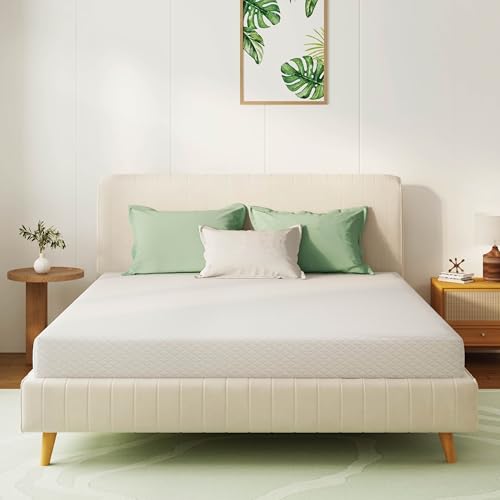
Emerspring 6 Inch Full Mattress for Kids,Cooling Green Tea Gel Memory Foam | Relieve Pressure,Medium Firm Support,Bed in a Box,Fiberglass Free,CertiPUR-US,Naturally Fresh Foam,Washable Removable Cover
Check price on Amazon
FDW | 5 Inch Twin Mattress | Medium Firm | Gel Memory Foam | White | Dual Construction | Pressure Relief, Cooling Foam, Removable and Washable Cover | Bed in a Box, CertiPUR-US Certified
Check price on Amazon
GAESTE Twin Size 12 Inch Cooling Gel Memory Foam Mattress, Medium Feel | Pressure Relief & Durable Support, Cool Sleep, Removable Washable Cover, Fiberglass free, CertiPUR-US Certified
Check price on Amazon
EGOHOME Twin Mattress 8 Inch, Green Tea Memory Foam Mattress, Medium Firm | Bed Mattress in A Box, Cooling Green Tea Gel, Pressure Relief, CertiPUR-US Certified, Fiberglass Free, 75''L x 38''W, White
Check price on Amazon