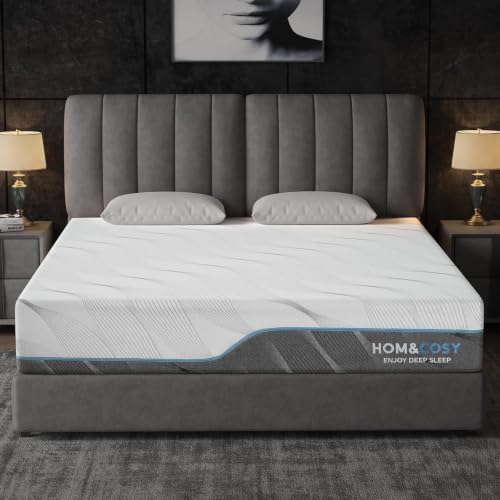
Flippable Mattresses: Two Sides, One Smarter Bed
Explore how double-sided mattresses work, why dual-firmness designs suit different sleepers, and what to check before choosing a reversible bed for your bedroom.
START THE GUIDE
SleepWisePicks Insight: A flippable mattress is more than a convenience. With two usable surfaces, it can distribute wear more evenly, offer two comfort levels, and give households more flexibility when sleep preferences differ.
What Is a Flippable Mattress?
A flippable mattress, also called a double-sided or reversible mattress, is built with a sleep surface on both the top and the bottom. Instead of a single comfort layer resting on a one-sided base, both faces are designed to be slept on. Many modern flippable designs go a step further by pairing a softer surface with a firmer one, giving sleepers two distinct comfort profiles in a single bed.
This dual-purpose construction sets flippable mattresses apart from most mainstream mattresses, which are built as one-sided units with a designated top surface. That distinction matters for durability, comfort flexibility, and how the bed is maintained over time. Sleepers researching comfort options often compare these beds with foam beds in a box and other compressed mattress formats, but the two-sided structure is the defining feature of a flippable model.
How a Flippable Mattress Is Built
Most flippable mattresses use a symmetrical or near-symmetrical core, often supported by pocketed coils or a dense foam base. Comfort layers are applied to both faces, and the cover is finished on both sides so the mattress can be turned over without exposing an unfinished base. In dual-firmness models, the two faces use different foam densities, latex layers, or coil configurations to create a softer side and a firmer side.
Because both sides are finished and functional, the mattress can be rotated head-to-foot and flipped top-to-bottom. This is the opposite of a one-sided mattress, where flipping would place the sleeper on a non-sleep surface. For households evaluating platform-based sleep setups, the two-sided build pairs naturally with a supportive foundation such as a full platform bed with headboard, which provides even support without the need for a box spring.
Why Choose a Flippable Mattress?
The appeal of a flippable mattress comes down to three practical benefits: extended wear, comfort flexibility, and simpler ownership. Each benefit matters to a different type of shopper, and together they explain why double-sided beds remain a popular category despite the dominance of one-sided designs.
1. More Even Wear Over Time
Every mattress compresses gradually where the body rests. On a one-sided mattress, that compression happens in the same zone every night. A flippable mattress lets you alternate surfaces so that pressure is distributed across both faces. Regular flipping and rotation can help the mattress retain its shape and support for longer, which makes it a sensible long-term investment for households that want to maximize the life of their bed.
2. Two Comfort Levels in One Bed
Dual-firmness flippable mattresses are especially useful for couples with different preferences. One partner may prefer a softer surface that cushions pressure points, while the other may want firmer support for the lower back. Rather than compromising on a single feel, a reversible design lets each sleeper evaluate both surfaces and choose what works. Sleepers who are still deciding between categories can also review our broader guide to flippable mattresses alongside other comfort-focused bed options.
3. Flexible for Changing Needs
Sleep preferences change. A guest room that starts as a firm setup may later need a softer feel for visiting family. A child's bedroom may transition from a softer surface to a firmer one as they grow. A flippable mattress adapts without requiring a new purchase. This flexibility is one reason reversible beds remain relevant for guest rooms, kids' rooms, and multi-use bedrooms.
4. Straightforward Maintenance
Flipping and rotating a two-sided mattress is a simple routine that supports hygiene and longevity. Many manufacturers recommend turning the mattress periodically, and the two-sided construction makes that routine genuinely useful rather than symbolic. Combined with a mattress protector, regular flipping helps keep the sleep surface fresh.
Flippable Mattress Pros and Cons
Advantages
- Two usable sleep surfaces distribute wear more evenly
- Dual-firmness models offer two comfort levels in one bed
- Suits couples and households with mixed preferences
- Useful for guest rooms, kids' rooms, and changing needs
- Flipping and rotating supports longer mattress life
Considerations
- Generally heavier and bulkier to turn than one-sided beds
- Not all one-sided accessories or toppers work on both faces
- Dual-firmness models may not match a very specific comfort target
- Requires a supportive foundation and correct frame fit
- Available models are fewer than one-sided options
How to Choose a Flippable Mattress
Buying a two-sided mattress is a research-driven decision. Shoppers who reach this stage usually know they want a reversible design and need help narrowing the field. The checklist below covers the factors that matter most.
Check the Construction and Core
Confirm that both sides are finished and intended for sleeping. Look for a supportive core such as pocketed coils or high-density foam, and check whether the comfort layers are symmetrical or intentionally different. A dual-firmness model should clearly label which side is softer and which is firmer, so sleepers can compare before flipping.
Match Firmness to Sleep Position
Side sleepers typically benefit from a softer surface that relieves shoulder and hip pressure. Back and stomach sleepers often prefer firmer support that keeps the spine aligned. A dual-firmness flippable mattress lets a household accommodate both profiles, but sleepers with specific needs should still test each side and check the brand's firmness descriptions.
Confirm the Foundation and Frame Fit
Flippable mattresses need even, supportive foundations. A slatted frame, platform bed, or adjustable base can work depending on the manufacturer's requirements. Check the frame's weight rating and slat spacing before pairing the mattress with a bed. For example, households furnishing a smaller room may pair a reversible mattress with a full double bed frame, while larger rooms may use a queen or king setup.
Review Weight Ratings and Handling
Because two-sided mattresses are often heavier, check the weight rating of the bed frame and consider whether the mattress can be flipped comfortably. A mattress that is difficult to turn may not receive the rotation it needs. Look for handles or a lighter core if flipping will be a regular routine.
Consider the Cover and Warranty
The cover should be finished on both sides and durable enough to handle repeated flipping. Read the warranty terms carefully, since some brands specify rotation schedules or require a particular foundation. A clear care guide is a sign of a well-supported product.
Flippable vs. One-Sided Mattresses
| Feature |
Flippable Mattress |
One-Sided Mattress |
| Sleep surfaces |
Two finished sides |
One designated top surface |
| Wear distribution |
Even wear across both faces |
Wear concentrated on one face |
| Comfort options |
Dual-firmness models offer two feels |
Single comfort profile |
| Maintenance |
Flip and rotate periodically |
Rotate only |
| Best for |
Couples, guest rooms, long-term use |
Shoppers wanting a specific modern feel |
Who Should Consider a Flippable Mattress?
Flippable mattresses are not a universal choice, but they fit several common household situations very well. Shoppers in the research stage can use the profiles below to decide whether a reversible bed matches their needs.
- Couples with different comfort preferences: A dual-firmness design lets each partner evaluate both surfaces and settle on a shared solution.
- Guest room owners: A reversible mattress adapts to visitors with different comfort needs without a new purchase.
- Families furnishing kids' rooms: A two-sided bed can shift from a softer feel to a firmer one as a child grows.
- Long-term value seekers: Even wear across two surfaces can extend the useful life of the mattress.
- Multi-use bedrooms: Rooms that serve as both a home office and a guest space benefit from flexible comfort.
Sleepers with chronic pain or diagnosed sleep conditions should consult a healthcare professional before choosing a firmness level. For general comfort research, our guides on folding beds for small spaces and floor beds for adults offer additional context on how different bed formats serve different rooms.
Caring for a Flippable Mattress
Proper care keeps a two-sided mattress comfortable and supportive for years. The routine is simple but worth following consistently.
- Flip and rotate on schedule. Follow the manufacturer's recommended interval. Many brands suggest turning the mattress every few months during the first year.
- Use a mattress protector. A washable protector keeps both surfaces clean and reduces the need for deep cleaning.
- Keep the foundation supportive. Replace worn slats or a sagging foundation so the mattress has even support on both sides.
- Air it out occasionally. Brief airing helps manage moisture and keeps the cover fresh.
- Avoid bending or folding. Two-sided mattresses should stay flat to protect the core and comfort layers.
Households comparing mattress formats can also review our guide to feather beds for a different comfort approach, or explore foam beds in a box for compressed delivery options.
Frequently Asked Questions
What is a flippable mattress?
A flippable mattress is a two-sided bed designed to be turned over and used on both surfaces. Many models offer a different firmness on each side, letting sleepers switch between comfort levels without buying a new bed.
Do flippable mattresses last longer?
Because both sides can be used, a flippable mattress distributes wear more evenly across its surfaces. Regular rotation and flipping can help maintain support and extend the useful life of the mattress compared to a one-sided design.
Are flippable mattresses good for couples?
Dual-firmness flippable mattresses can suit couples with different comfort preferences, since one side may feel softer and the other firmer. Couples should test both sides and check weight ratings before deciding.
How often should you flip a flippable mattress?
Many manufacturers recommend flipping and rotating a two-sided mattress every few months during the first year, then rotating it periodically afterward. Always follow the specific care instructions from the brand.
Can a flippable mattress be used on any bed frame?
Most flippable mattresses work with supportive foundations, including platform beds and slatted frames, but requirements vary by brand. Check the manufacturer's guidance on slat spacing, foundation type, and weight limits before pairing the mattress with a frame.
Ready to Explore Flippable Mattress Options?
Compare reversible designs, dual-firmness models, and supportive foundations to find the setup that fits your sleep style and bedroom layout.
VIEW RECOMMENDED PICKS