Fun Children's Beds: Complete Buying Guide for Parents
Turn bedtime into the best part of the day. Explore imaginative bed styles, safety essentials, and practical tips for choosing a fun bed that grows with your child.
EXPLORE BED STYLESWhy a Fun Bed Matters: A well-chosen children's bed does more than hold a mattress — it shapes sleep habits, encourages independence, and makes a child's room feel like their own personal haven. This guide walks you through every decision, from theme and frame material to safety standards and long-term durability.
What Makes a Children's Bed "Fun"?
A fun children's bed blends imaginative design with real-world function. The best models turn everyday furniture into a play space, a reading nook, or a mini adventure — while still meeting the safety and comfort standards parents expect. Unlike standard adult beds, these designs are proportioned for smaller bodies, built with rounded edges, and often include playful details such as house-shaped rooflines, tent canopies, slides, or animal motifs.
Beyond appearance, the ideal fun bed supports healthy sleep posture, fits a properly sized mattress, and offers enough durability to handle years of jumping, climbing, and growing. Parents researching this category usually want three things: a design their child will love, construction they can trust, and a style that won't feel outdated within a year. The sections below address each of those priorities in turn.
Popular Fun Bed Styles for Children
The market offers a wide range of playful designs. Below are the most sought-after styles, each suited to different room sizes, age groups, and budgets — described using universal quality tiers rather than specific figures.
House-Shaped Beds
A frame designed to look like a little house, often with a roof panel and window cut-outs. These are among the most versatile fun designs, blending a cozy, imaginative look with a simple platform structure that suits many room layouts.
Tent & Canopy Beds
Fabric or wooden canopies create a private "fort" feel. Tent-style designs are often the starter tier for younger children, while wooden canopy versions sit in the mid-tier for their sturdier frames and longer lifespan.
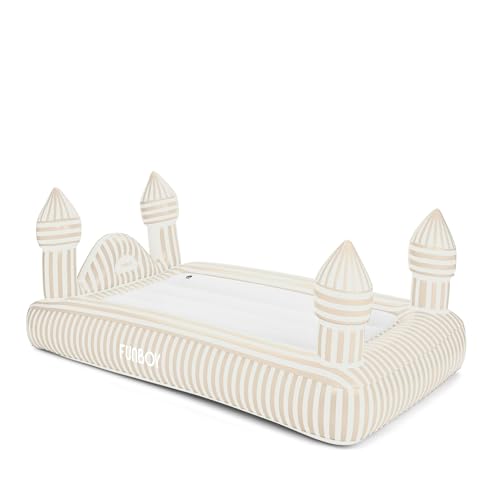
Castle & Princess Frames
Detailed silhouettes with turrets, arches, and decorative panels. These designs appeal strongly to children who love fantasy themes and are typically built from painted wood or engineered wood with reinforced joints.
Race Car & Vehicle Beds
Sculpted frames shaped like cars, trucks, or rockets. Many are low-profile and easy to climb into, making them a popular choice for younger children transitioning out of a toddler bed.
Loft Beds with Slides
A raised sleeping platform with a slide, ladder, or climbing wall underneath. These are high-end tier designs that maximize floor space and turn the bedroom into a play zone — best for children old enough to climb safely.
Animal & Nature-Themed Beds
Frames shaped like animals, leaf canopies, or woodland scenes. These creative designs are usually made from painted wood or upholstered panels and offer a distinctive, storybook feel.
Safety Features Every Parent Should Check
A playful design should never come at the expense of safety. When evaluating any fun children's bed, verify the following:
- Guardrails on elevated beds: Any loft, bunk, or raised platform should include full-length guardrails on all open sides, with gaps small enough to prevent a child from slipping through.
- Rounded edges and corners: Sharp corners on low beds and play structures are a common injury source. Look for softened edges or corner protectors.
- Non-toxic finishes: Children's furniture should use low-VOC or water-based paints and finishes. Check for recognized safety certifications where available.
- Sturdy, stable construction: Frames should be reinforced at joints and include anti-tip hardware where relevant. Weight capacity should comfortably exceed the child's current size.
- Proper mattress fit: The mattress should fit snugly with no gaps larger than a few centimeters, reducing entrapment risk.
- Ladder and slide safety: For loft beds, ladders should have wide, slip-resistant steps and secure attachment points; slides should have side rails and a stable base.
If your child is transitioning from a crib, pair the new bed with a properly sized mattress — our guide to hybrid mattresses explains how to match mattress type to sleeping style and frame design.
Fun Bed Styles Compared
Use this quick-reference table to compare the most common fun bed categories by suitability and tier. No figures are included — the comparison focuses on relative positioning within the market.
| Bed Style | Best For | Quality Tier | Space Consideration |
|---|---|---|---|
| House-Shaped Bed | Ages 4–10; creative play and cozy sleep | Mid-range | Fits standard room layouts |
| Tent & Canopy Bed | Ages 3–8; younger children who love forts | Entry-level to Mid-range | Compact footprint |
| Castle / Princess Frame | Ages 5–12; fantasy-themed rooms | Mid-tier | Moderate footprint |
| Race Car / Vehicle Bed | Ages 3–8; low-profile transition beds | Entry-level to Mid-range | Compact; low height |
| Loft Bed with Slide | Ages 6–12; play-focused, space-saving rooms | Premium | Needs clearance for climbing |
| Animal / Nature Theme | Ages 4–10; storybook-inspired decor | Mid-range to Premium | Varies by design |
Choosing the Right Materials
Material choice affects durability, safety, and long-term appeal. Here's how the most common options compare:
- Solid wood (pine, birch, oak): The most durable choice for children's beds. Solid wood frames resist wear and can be repainted or refinished as tastes change, making them a long-term investment. Mid-range and premium designs most often use solid wood.
- Engineered wood (MDF, particleboard): Common in entry-level and mid-tier themed beds. Look for CARB-compliant or low-emission boards and reinforced joints, especially on play structures.
- Metal frames: Sturdy and easy to clean, often used for loft and bunk designs. High-grade steel with a rust-proof finish offers excellent durability for active children.
- Upholstered panels: Found on premium themed beds for a softer, cozier look. Choose fabrics that are easy to wipe clean and check that padding is securely attached.
Whatever material you choose, confirm that the frame includes reinforced hardware and a stable base. For older children moving up in size, our guide to heavy-duty bed frames explains how load ratings work and why they matter even for smaller sleepers.
Sizing and Room Layout Tips
Fun children's beds come in several sizes, and choosing the right one depends on both the child's age and the room's dimensions. Twin and twin-over-twin configurations are the most common for younger children, while full-size and full-over-full designs suit older kids who want extra sleeping room. If you're planning a shared or guest-friendly room, a full-size-over-full-size bunk bed offers generous sleeping space without doubling the footprint.
Before purchasing, measure the room carefully and account for clearance around ladders, slides, and drawers. Keep at least a comfortable walking path between the bed and other furniture, and ensure that any elevated design has enough headroom and side clearance for safe climbing.
Beds That Grow With Your Child
Children outgrow themes faster than they outgrow frames. To get the most from your purchase, consider convertible or adaptable designs. House-shaped beds and simple platform styles tend to age gracefully, while heavily themed pieces may feel outdated within a few years. Modular designs — such as beds with removable canopies or interchangeable panels — strike a balance between playful appeal and long-term use.
If you're furnishing a room that will eventually serve an older child or guest, explore our collection of good beds for versatile options that transition smoothly from childhood to the teen years.
Styling a Fun Bedroom
A fun bed is the centerpiece, but the surrounding decor completes the experience. Practical touches make a big difference: a matching nightstand keeps bedtime essentials within reach, and soft lighting encourages relaxation. Pair the bed with a child-height fully assembled bedside table so your child can reach books and a night light without climbing.
For themed rooms, keep the palette coherent — two or three accent colors work better than a rainbow of competing hues. Add a reading corner with a floor cushion, and use wall art or removable decals that are easy to update as interests change.
Maintaining Your Child's Bed
Children's beds endure more wear than adult furniture. Wipe painted surfaces with a damp cloth, tighten hardware every few months, and inspect guardrails and ladders for looseness. Wash removable covers and canopies according to the manufacturer's instructions. A quick monthly check of joints and fasteners keeps the frame safe and extends its lifespan.
How to Choose: A Step-by-Step Checklist
- Confirm the age and size: Match the bed style to your child's age, weight, and stage of development.
- Measure the room: Account for the bed footprint, climbing clearance, and surrounding furniture.
- Prioritize safety: Check guardrails, rounded edges, non-toxic finishes, and stable construction.
- Choose a durable material: Solid wood or high-grade metal offers the best longevity.
- Consider longevity: Favor adaptable designs that can grow with your child.
- Match the mattress: Ensure a snug fit and appropriate support — see our hybrid mattress guide for matching advice.
- Plan the decor: Coordinate the bed with practical furniture like a fully assembled white bedside table for a cohesive look.
Ready to Find the Perfect Fun Bed?
Browse recommended options selected for imaginative design, sturdy construction, and child-friendly safety features.
VIEW RECOMMENDED BEDSFrequently Asked Questions
What age are fun children's beds suitable for?
Fun children's beds are typically designed for ages 3 to 12. Themed toddler beds and low-profile designs suit ages 3 to 6, while loft and bunk styles work best for ages 6 and up. Always check the manufacturer's age and weight recommendations before purchasing.
How do I choose a safe fun bed for my child?
Look for rounded edges, non-toxic finishes, sturdy guardrails on elevated designs, and certification from recognized safety standards. Ensure the frame is stable, includes anti-tip hardware where relevant, and that the mattress fits snugly with no large gaps.
What are the most popular fun bed styles for kids?
Popular styles include house-shaped beds, castle and tent-themed frames, race car beds, princess and fairy designs, animal-shaped beds, loft beds with slides, and bunk beds with playful details. Each offers a different balance of imagination, safety, and space efficiency.
Do fun children's beds grow with the child?
Many convertible and modular designs extend usability through childhood. House beds, loft beds, and certain themed frames can adapt as children grow — especially those with removable canopies or interchangeable panels — making them a worthwhile long-term choice.