Good Beds for Back Problems
Discover how the right bed can transform your sleep and relieve back pain. We break down the best mattresses, bed frames, and sleep positions to help you wake up refreshed and pain‑free.
Did you know? According to the National Sleep Foundation, over 60% of adults experience back pain at some point, and the right bed can significantly reduce discomfort. Choosing a bed that supports your spine's natural alignment is one of the most impactful decisions for your long‑term health.
What Makes a Bed "Good" for Back Pain?
Back pain often stems from poor sleeping posture, muscle tension, or spinal misalignment. The ideal bed for back problems should provide a balance of support and pressure relief. Too soft, and your spine sinks into an unnatural curve; too firm, and pressure points can cause discomfort. A medium‑firm mattress is widely recommended by orthopedic specialists, as it cradles your body while keeping your spine aligned.
Beyond the mattress, the bed frame plays a crucial role. A sturdy frame prevents sagging and ensures even support. For those with chronic lower back pain, adjustable beds can be life‑changing — they allow you to elevate your head and legs, reducing pressure on the lumbar region. Learn more about how adjustable beds for back pain can improve your sleep quality.
Key Features of Back‑Friendly Beds
Support Core
Look for high‑density foam, pocketed coils, or latex that evenly distributes weight. Avoid low‑quality springs that lose shape quickly.
Pressure Relief
Memory foam or gel‑infused layers reduce pressure on hips, shoulders, and lower back, promoting better circulation.
Edge Support
Strong edges prevent you from rolling off and make getting in and out of bed easier — essential for those with mobility issues.
Breathability
Cooling gel, breathable covers, or open‑cell foam help regulate temperature, so you stay comfortable all night.
Mattress Types Compared for Back Pain
| Type | Pros | Cons | Best For |
|---|---|---|---|
| Memory Foam | Excellent pressure relief, motion isolation | Can retain heat, may feel too soft | Side sleepers, people with joint pain |
| Innerspring | Bouncy, good airflow, responsive | Less pressure relief, can sag over time | Back sleepers, those who prefer a traditional feel |
| Hybrid | Combines support of coils with comfort of foam | More expensive, heavier | Combination sleepers, heavier individuals |
| Latex | Natural, responsive, durable, cooling | Firmer feel, higher price | Eco‑conscious buyers, those needing firm support |
If you're unsure which type suits you, explore our comprehensive mattress buying guide for a detailed breakdown.
Bed Frames That Support Your Back
A high‑quality bed frame is just as important as the mattress. Look for frames with a solid center support beam and legs that won't wobble. Platform beds with slats spaced no more than 3 inches apart provide excellent support for foam and hybrid mattresses. Bed frames for memory foam beds are specifically designed to prevent sagging.
For those with severe back issues, adjustable bed frames offer a therapeutic solution. They allow you to lift your head and feet independently, reducing pressure on the spine and improving circulation. Many models also include massage features, which can soothe tense muscles. Browse our selection of adjustable beds with massage to find the perfect fit.
If you're on a budget, a sturdy bed frame with drawers underneath can be a great option — it saves space and provides extra storage, while still supporting your mattress properly. Check out beds with drawers underneath for practical and supportive designs.
Sleep Positions That Ease Back Pain
- Side sleepers: Place a pillow between your knees to keep your hips aligned. Choose a mattress that contours to your shoulders and hips. Side sleeper guide offers more tips.
- Back sleepers: A thin pillow under your knees can reduce lower back strain. A medium‑firm mattress is usually the best choice. See our back sleeper guide.
- Stomach sleepers: This is the least recommended position for back pain. If you must, use a very flat pillow and place a pillow under your pelvis. Read the stomach sleeper guide for safer options.
Beyond the Bed: Supporting Your Back
While the right bed is a cornerstone of back health, consider these complementary habits:
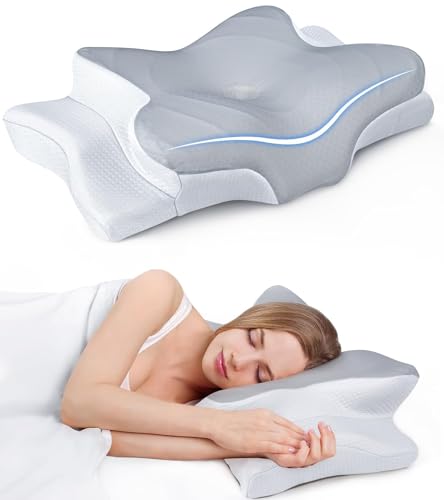
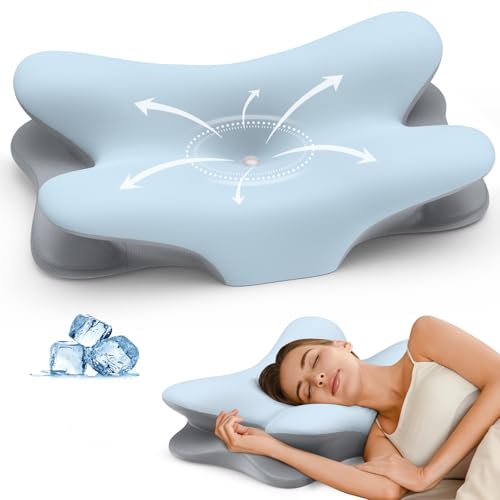
- Pillows: Use a pillow that fills the gap between your neck and mattress. Memory foam or cervical pillows are excellent. Explore bed pillows for targeted support.
- Mattress Toppers: If you're not ready to buy a new mattress, a high‑quality topper can add pressure relief. Check out mattress toppers for an instant upgrade.
- Regular Movement: Stretch before bed and avoid sitting for long periods. A supportive bedroom rug can make floor stretches more comfortable.
Pro Tip: Keep your bedroom cool (around 65°F / 18°C) and dark. Quality sleep is not just about the bed — it's about the whole environment. Read our bedroom setup guide for more ideas.
FAQs About Beds for Back Problems
Can a firm mattress make back pain worse?
Yes, a mattress that is too firm can create pressure points, especially on your hips and shoulders, leading to discomfort. A medium‑firm option is usually the safest choice.
How often should I replace my bed for back issues?
Most experts recommend replacing your mattress every 7–10 years. However, if you wake up with stiffness or pain, it might be time for a new one sooner.
Are box springs good for back pain?
Box springs are generally not recommended for foam or hybrid mattresses. A solid platform base or a slatted frame provides better support and durability.