Guest Bed Ideas: Smart, Stylish & Space-Saving Solutions
From convertible sofas to folding and storage beds, discover practical guest bed ideas that keep your spare room comfortable, versatile, and ready for visitors — without sacrificing everyday living space.
The Main Categories of Guest Beds
Guest beds are not a single product category — they are a set of solutions grouped by how they handle space, storage, and setup. Understanding these categories first makes the rest of your decision far easier.
Convertible & Sofa Beds
The most versatile option for multi-use rooms. A sofa by day and a sleeping surface by night, these beds suit home offices and studios where the guest function is occasional. Look for models with reinforced frames and a mattress layer that stays supportive over repeated conversions.
Versatile TierFolding & Folding-Frame Beds
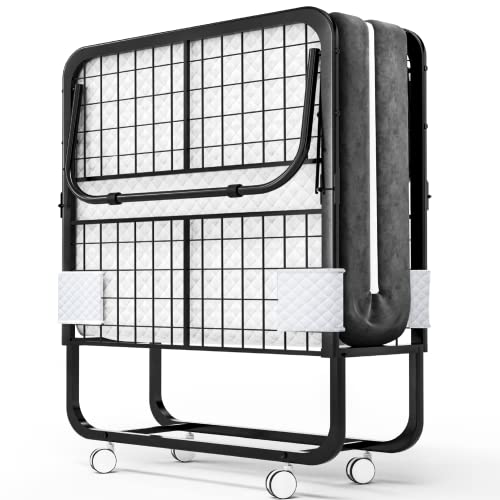
Simple, lightweight, and easy to tuck into a closet or behind a door. Folding guest beds are the classic answer for small apartments with no dedicated spare room. They work best for short stays and lighter sleepers, and they set up in minutes.
Essential TierTrundle & Storage Beds
A primary bed with a second sleeping surface tucked underneath. Ideal for kids' rooms and small guest rooms that occasionally host two people. Higher-quality trundle mechanisms roll more smoothly and hold firmer mattresses.
Balanced TierMurphy & Wall Beds
The most space-efficient permanent solution: the bed folds up into the wall and disappears entirely during the day. The mid-range and premium tiers offer smoother lift mechanisms and integrated cabinetry, making them a long-term investment for compact homes.
High-End TierDaybeds & Guest Settees
A daybed doubles as a seating area and a single bed, making it a natural fit for studies, sunrooms, and reading corners. It is one of the most seamless ways to blend a guest bed into everyday living space.
Mid-RangeFutons & Convertible Seating
Futons remain a practical choice for casual guest sleeping and small lounges. The quality gap between tiers is significant — better frames and denser fillings hold their shape far longer than starter-tier models.
Starter TierHow to Choose the Right Guest Bed
Before comparing specific models, run through these four questions. They narrow the field faster than any spec sheet.
- How often will it be used? Frequent guests justify a permanent bed with a proper mattress; occasional guests are well served by folding or convertible options.
- How much floor space can you spare? Measure the room's clear floor area and the door swing. Wall beds and folding frames preserve the most usable floor space.
- Is the room used for anything else? If it is also an office or hobby room, prioritize a bed that converts or stores away. A home office bed can serve both functions without compromise.
- Who will sleep on it? Guest age, height, and sleep position affect mattress thickness and bed length. Adults generally need a firmer, thicker sleeping surface than a folding cot provides.
Guest Bed Types at a Glance
The table below compares the main guest bed categories by how they handle space, comfort, and long-term durability. Use it to shortlist two or three types before reading detailed guides.
| Guest Bed Type | Best For | Space Efficiency | Comfort Level | Durability Tier |
|---|---|---|---|---|
| Convertible & sofa beds | Multi-use rooms, home offices | High | Good (mattress-dependent) | Mid-range to premium |
| Folding guest beds | Small apartments, short stays | Very high | Basic to good | Essential to mid-tier |
| Trundle & storage beds | Kids' rooms, small guest rooms | Medium | Good | Balanced to high-end tier |
| Murphy & wall beds | Compact permanent homes | Very high | Good to excellent | High-end to flagship tier |
| Daybeds | Studies, reading rooms, lounges | Medium | Good | Mid-range to premium |
| Futons | Casual lounges, occasional guests | Medium | Variable | Starter to mid-tier |
Guest Bed Ideas for Small Spaces
When floor space is limited, the goal shifts from "adding a bed" to "adding sleeping capacity without losing the room." These approaches consistently work best in apartments, studios, and compact spare rooms.
Start with options that disappear when unused. Guest room beds for small spaces typically revolve around wall beds, folding frames, and convertible seating. If the room must stay functional during the day, a hidden bed or a hideaway bed preserves nearly all usable floor area. For rooms that already host a sofa, a guest bed and folding bed combination keeps seating and sleeping separate.
Storage is the second lever. A high bed with storage underneath or a guest bed that stores away turns the bed footprint into useful wardrobe or linen space. If the guest area is a corner of a living room, a full-size sofa bed for small spaces is often the most natural fit.
Turning an Existing Room Into a Guest Space
Most homes do not have a dedicated guest room. The practical answer is to make an existing room dual-purpose. A home office becomes a guest room with a wall bed or convertible sofa; a playroom gains a trundle for sleepovers; a studio gains a folding frame tucked behind a screen.
For a deeper look at the full range of options, the guest beds overview covers the main categories with buying considerations. If you want the bed to arrive complete, guest beds with mattresses included remove the guesswork of matching a mattress to an unusual frame. And if the plan is to move the bed between rooms, a good pull-out sofa bed offers the most flexibility.
For households that host often and prefer an everyday-use sofa, good sofa beds for everyday use are built with firmer decks and higher-density cushions than occasional-use models. If you are weighing fixed versus folding options, hideaway beds and hide-a-bed sleeper sofas represent the two ends of that spectrum.
The Setup Details That Make Guests Comfortable
The bed itself is only part of the experience. A few small additions consistently separate a functional guest bed from a genuinely welcoming one.
- A mattress topper: The single most effective upgrade for thin convertible and folding mattresses.
- Two pillow options: A firm and a soft pillow lets guests choose their preferred support.
- Layerable bedding: A light quilt plus a warmer blanket handles temperature differences between guests.
- Bedside surface: Even a small side table or shelf gives guests a place for a phone, glasses, and water.
- Reading light: A dimmable lamp or clip-on light lets guests read without disturbing the room.
- Storage space: A clear drawer or basket for luggage keeps the room tidy and guests settled.
If the guest space doubles as a lounge, consider how the bed reads during the day. A daybed with cushions and a throw looks intentional rather than improvised. For rooms with a fixed bed, a coordinated headboard and bedding set helps the space feel designed for guests rather than repurposed.
Durability: What Separates the Tiers
Guest beds take more mechanical stress than standard beds because they are converted, folded, or opened repeatedly. The differences between tiers show up in the mechanism, the frame, and the mattress deck.
Entry-level folding and futon frames typically use lighter tubing and thinner slats; they are fine for occasional use but may loosen over years of regular conversions. Mid-range models add reinforced joints, better hinges, and denser mattress layers. Premium and high-end tiers — particularly wall beds and convertible sofas — use heavier-duty mechanisms, solid or engineered wood frames, and higher-density foams that hold their shape through frequent use. For a bed that will be opened weekly, the mid-range tier is generally the sensible floor, while the high-end tier is a long-term investment for daily use.
Frequently Asked Questions
What is the best guest bed for a small spare room?
A wall bed or a high-quality convertible sofa is usually the best fit, because both preserve floor space when the bed is not in use. If the room has no wall space for a folding mechanism, a folding-frame bed stored in a closet is the next best option.
Are folding guest beds comfortable enough for adults?
For short stays, yes — especially with a mattress topper. Adults who stay more than a few nights are generally better served by a trundle, wall bed, or convertible sofa with a thicker mattress layer. Lighter folding frames are less suited to heavier sleepers.
How do I choose between a sofa bed and a murphy bed?
Choose a sofa bed if the room needs seating every day and the bed is secondary. Choose a wall bed if the room needs open floor space every day and the bed is primary. Sofa beds are easier to install; wall beds are more space-efficient once installed.
What size guest bed should I get?
For single guests, a twin or full size is usually sufficient. For couples, a full or queen size is the practical minimum. Measure the room's clear floor area and door swing before committing to a larger size, especially with convertible beds that need clearance to open.
Do guest beds need a special mattress?
Convertible and folding beds often require a thinner, more flexible mattress — standard thick mattresses can prevent the mechanism from closing properly. Wall beds and trundles usually specify a maximum mattress thickness in their instructions, so check before buying a replacement.
Ready to Set Up Your Guest Space?
Start with the category that matches your room's daily use, then refine by mattress quality and mechanism durability. The options below are a practical starting point for comparing features across the most popular guest bed types.