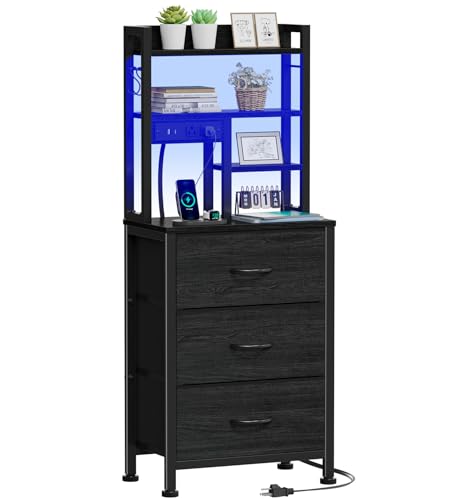
High Bedside Table with Drawers: The Complete Buyer's Guide
Elevate your bedroom storage and style with a tall bedside table that puts everything within arm's reach. Learn how to choose the right height, drawer configuration, and materials for your sleep sanctuary.
Why a high bedside table with drawers matters: The right nightstand height reduces strain on your back and shoulders when reaching for essentials. Drawers keep clutter hidden, making your bedroom feel calmer and more restful. This guide walks you through everything you need to know before choosing your next bedside table.
Why Choose a High Bedside Table with Drawers?
A high bedside table with drawers solves two common bedroom problems at once: reachability and clutter. Standard nightstands often sit below the mattress line, forcing you to stretch or lean awkwardly when reaching for a glass of water, your phone, or a book. A taller table aligns with the top of most modern mattresses, so everything you need is right at hand.
Drawers add a second layer of practicality. Instead of piling items on the tabletop, you can store reading glasses, chargers, tissues, medications, and small linens out of sight. For smaller bedrooms, a tall bedside table with multiple drawers effectively replaces a dresser for personal items, freeing up floor space and keeping the room visually tidy.
Beyond function, a high bedside table brings visual balance to a bedroom. Tall, narrow furniture draws the eye upward, making ceilings feel higher and rooms more spacious. Paired with a tall lamp or a piece of wall art, it creates a cohesive, design-forward look that standard low nightstands struggle to achieve.
Key Features to Look For
Not all tall bedside tables are built the same. The best choice depends on your mattress height, storage needs, and bedroom aesthetic. Here are the features that matter most:
- Height: Aim for a tabletop that sits level with or slightly below your mattress top. Most high bedside tables measure between 25 and 30 inches tall.
- Drawer Count and Depth: Two drawers suit basic needs; three or four drawers offer serious storage. Deep drawers accommodate books and linens, while shallow drawers work well for small accessories.
- Drawer Glides: Smooth, quiet drawer mechanisms — such as ball-bearing or soft-close glides — make a noticeable difference in daily use, especially in a quiet bedroom.
- Material and Finish: Solid wood and high-grade engineered wood offer durability. Metal frames provide heavy-duty support with an industrial edge. Glass tops add a modern touch.
- Footprint: A tall table does not need to be wide. Slim, narrow profiles fit easily beside the bed without crowding your walking path.
- Assembly and Portability: Some models arrive fully assembled, while others require setup. Consider whether you need a portable option for flexibility.
High Bedside Table Tiers: Entry-Level to Luxury
To choose the right table for your needs, it helps to understand how bedside tables differ across quality tiers. The table below outlines what you can expect at each level, using universal quality descriptors rather than specific figures.
| Tier | Best For | Typical Characteristics |
|---|---|---|
| Entry-Level | Guest rooms, starter apartments, temporary setups | Engineered wood construction, basic drawer glides, simple finishes, lightweight build |
| Mid-Range | Daily use in primary bedrooms, family homes | Solid wood or reinforced engineered wood, smoother glides, better hardware, more finish options |
| Premium | Design-focused bedrooms, long-term use | Hardwood construction, soft-close drawers, high-grade hardware, refined finishes, sturdier build |
| Luxury | High-end interiors, statement pieces | Exotic or solid hardwood, hand-finished details, premium drawer mechanisms, exceptional durability |
As you move up the tiers, you will notice improvements in drawer smoothness, material density, and finish quality. A mid-range model often offers the best balance for everyday use, while an entry-level table can serve well in a guest room or secondary space. Premium and luxury tables are long-term investments that hold up to daily wear and maintain their appearance over time.
Pros and Cons of High Bedside Tables with Drawers
Advantages
- Matches mattress height for easy reach
- Maximizes vertical storage in small rooms
- Hides clutter behind closed drawers
- Creates a taller, more elegant visual line
- Can replace a dresser for personal items
Considerations
- May feel top-heavy if not properly weighted
- Requires careful measuring against mattress height
- Tall models can block low wall outlets
- More drawers mean more hardware to maintain
- Slim models may limit surface area for lamps
How to Choose the Right Height for Your Bedside Table
The single most important factor when selecting a high bedside table is height relative to your mattress. A table that is too low forces you to reach down; one that is too tall makes it difficult to see or access items while lying in bed. The sweet spot is a tabletop that sits level with, or just an inch or two below, the top of your mattress.
To measure accurately, sit on the edge of your bed and note where your mattress surface meets your body. Then measure from the floor to that point. Most modern mattresses sit between 20 and 26 inches from the floor, which means high bedside tables in the 25 to 30 inch range are typically a strong match. If you have an adjustable bed or a very thick mattress, measure with the bed in its most-used position.
Also consider the height of your bed frame and any mattress topper. A low-profile platform bed with a thin mattress may pair better with a mid-height table, while a tall bed frame with a deep mattress calls for a genuinely high bedside table. If you frequently adjust your bed, look for models designed to work with adjustable setups, or browse our guide to headboards for adjustable beds to coordinate your bedroom's vertical elements.
Storage and Drawer Configuration
The number and layout of drawers directly affects how useful your bedside table will be. Two drawers are the most common configuration and cover the essentials: one for electronics and chargers, one for personal items. Three drawers add room for small linens, notebooks, or medications. Four drawers turn a bedside table into a compact storage tower, which is especially valuable in small bedrooms or guest rooms where floor space is limited.
Think about what you actually keep beside your bed. If you read before sleep, a drawer deep enough for a hardcover book matters. If you take nightly medications, a shallow top drawer with dividers keeps things organized. If you charge devices overnight, consider a model with a drawer tall enough to hold a tablet or a small cable organizer.
Drawer glide quality is easy to overlook but hard to ignore in daily use. Basic metal runners work fine, but ball-bearing glides and soft-close mechanisms reduce noise and wear over time. In a bedroom, quiet operation is a genuine comfort feature, especially if you share the room or wake during the night.
Materials, Finishes, and Bedroom Style
Your bedside table should complement the rest of your bedroom furniture while standing up to daily use. Solid wood remains the gold standard for durability and warmth, with oak, walnut, and maple offering distinct grain patterns. Engineered wood with quality veneers provides a similar look at a more accessible tier and performs well in dry indoor conditions. Metal frames bring a modern, industrial feel and often support heavier loads.
Finish choice affects both maintenance and mood. White and light finishes make small bedrooms feel airy and bright. Dark wood and matte black add depth and a sense of calm. Glass tops and mirrored finishes reflect light but show fingerprints more readily. If your bedroom follows a specific style, explore our guides to modern, rustic, or minimalist bedroom design to keep your table consistent with the overall look.
Consider how the table interacts with your bed frame and headboard. A tall wooden bedside table pairs naturally with a wooden bed frame, while a metal table can offset a soft upholstered headboard. If your headboard includes built-in shelves or storage, a simpler table with fewer drawers may be the better choice to avoid visual clutter.
Placement Tips and Small-Space Solutions
A high bedside table works best when it sits close to the bed, with the tabletop within easy reach. Leave a few inches between the table and the mattress to avoid knocking items over when you move in your sleep. If your bed is against a wall, a slim table with a narrow profile preserves walking space on the open side.
In small bedrooms, a tall bedside table with drawers can replace a larger dresser for personal items, freeing up floor space. Pair it with under-bed storage or a storage bed frame to maximize the room's capacity. If you need extra seating or a spot for overnight guests, browse our collection of guest beds for small spaces and hide-away beds to keep the room flexible.
For rooms with limited wall space, consider a table that mounts or tucks partially under the bed frame. Some high bedside tables are designed with a narrow base that slides beside the mattress, keeping the top surface at the right height without intruding into the room. If you are setting up a dedicated guest room, our guest room bed ideas offer additional layout inspiration.
Styling Your High Bedside Table
A high bedside table offers more vertical surface to work with, so styling should follow the same principle: keep it functional and uncluttered. Start with a lamp proportional to the table's height; a tall table can support a taller lamp without looking top-heavy. Add one or two personal items, such as a small clock, a book, or a plant, and leave the rest of the surface clear.
Use the drawers to contain the things you need but do not want to see: chargers, tissues, reading glasses, hand cream, and medications. A small tray or drawer organizer inside the top drawer keeps small items from sliding around. If your table has an open shelf in addition to drawers, use it for a folded throw or a stack of magazines.
Balance the height of the table with the wall above it. A piece of art or a mirror hung at eye level from the bed creates a visual connection between the table and the wall. If your table is part of a matching bedroom set, keep accessories minimal so the furniture remains the focal point. For more inspiration, see our guide to headboards with bedside tables for coordinated setups.
Maintenance and Longevity
A well-chosen bedside table can last for years with basic care. Dust the surface regularly with a soft cloth, and wipe spills promptly to prevent stains, especially on wood veneers. Avoid placing drinks directly on the tabletop without a coaster, and keep the table away from direct sunlight to prevent fading.
Check drawer glides and hardware periodically. Tighten loose screws and apply a silicone-based lubricant to metal runners if drawers begin to stick. For wooden drawers, a small amount of paraffin wax on the runners keeps them sliding smoothly. If your table has a glass top, clean it with a glass cleaner and a microfiber cloth to avoid streaks.
Stability matters, especially with tall furniture. If the table feels wobbly, check the feet and tighten any adjustable glides. In homes with children or pets, consider anchoring the table to the wall or choosing a model with a wider base for added stability.
Common Mistakes to Avoid
- Ignoring mattress height: Buying a table that looks tall in the store but sits too low beside your actual bed.
- Overlooking drawer glide quality: Basic glides can become noisy and sticky over time, especially in humid rooms.
- Choosing style over storage: A beautiful table with too few drawers leaves clutter on the surface.
- Skipping measurements: A table that is too wide can block access to the bed or crowd a doorway.
- Neglecting stability: Tall, lightweight tables can tip if bumped; check the base and consider wall anchoring.
Ready to Find Your Perfect High Bedside Table?
Explore our curated selection of high bedside tables with drawers, chosen for durability, smart storage, and bedroom-friendly design.
Explore OptionsFrequently Asked Questions
What height is considered a high bedside table?
A high bedside table typically stands between 25 and 30 inches tall, which aligns with the top of most modern mattresses. This height allows easy reach from bed without stretching or leaning awkwardly.
How many drawers should a high bedside table have?
Most high bedside tables offer two to four drawers. Two drawers provide essential storage for books, glasses, and remotes, while three or four drawers add room for linens, medications, and personal items, making them ideal for smaller bedrooms.
Can a high bedside table with drawers work in a small bedroom?
Yes. A tall, narrow bedside table with drawers maximizes vertical space without consuming much floor area. Choosing a model with a slim profile and multiple drawers keeps clutter contained and the room feeling open.
What materials are best for a high bedside table with drawers?
Solid wood and high-grade engineered wood offer durability and a premium feel. Metal frames provide a modern, industrial look with heavy-duty support. Glass tops add a sleek touch but require careful maintenance. Choose based on your bedroom style and long-term investment goals.
How do I style a high bedside table with drawers?
Keep the top surface functional: a lamp, a small clock, a book, and perhaps a plant. Use the drawers to hide clutter like chargers, tissues, and reading glasses. A high table pairs well with taller lamps and artwork hung at eye level to balance the vertical lines.
Related Bedroom Guides
Looking to complete your bedroom setup? These guides cover complementary furniture and storage solutions:
- Fully assembled bedside table options for a no-hassle setup
- Glass bedside tables with drawers for a modern look
- Gold bedside tables with drawers for a touch of elegance
- High beds with storage underneath to maximize bedroom space
- Headboards with bedside tables for a coordinated design
- Hospital bedside tables on wheels for adjustable accessibility