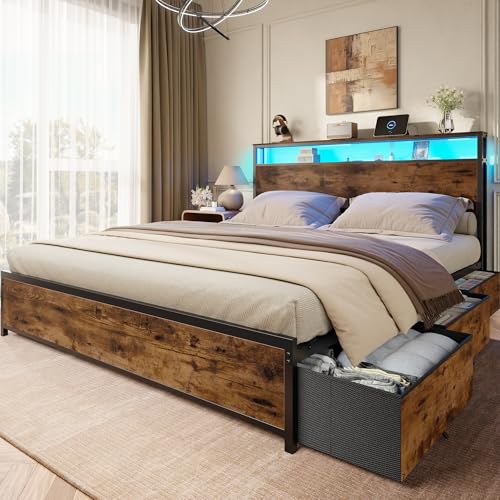
Heavy Duty Beds: Complete Buying Guide
When standard frames aren't enough, a reinforced heavy duty bed delivers the strength, stability, and peace of mind you need. Learn how to choose a bed engineered to last.
Explore Heavy Duty BedsWhy heavy duty matters: A bed is one of the few pieces of furniture you use every single day. For larger sleepers, restless sleepers, or families with active kids, a reinforced frame prevents sagging, squeaking, and premature failure. This guide breaks down materials, weight capacity, and the specific features that separate a genuinely heavy duty bed from a marketing label.
What Actually Makes a Bed "Heavy Duty"?
The phrase "heavy duty" gets used loosely. On a spec sheet it should mean a measurable combination of material thickness, joint reinforcement, and support structure. A frame marketed as heavy duty without those elements is just a standard bed with stronger wording.
Here's what to verify before you commit:
- Stated weight capacity: Reputable manufacturers publish a tested load rating. Commercial-grade frames commonly exceed 1,500 pounds, while solid mid-tier models typically handle 800 to 1,000 pounds.
- Material gauge: High-grade steel frames use thicker tubing (often described as 14-gauge or heavier). Solid hardwood frames use dense species like oak or maple rather than soft pine.
- Joint construction: Reinforced corner brackets, welded crossbars, and bolted (not stapled) connections are the structural signature of a durable bed.
- Center support: A center rail with additional legs prevents the middle of the mattress from bowing over time, especially on larger sizes.
If you're comparing frame styles in general, our guide to heavy duty bed frames covers the engineering details in greater depth.
Heavy Duty Bed Tiers Explained
Instead of chasing numbers, shoppers benefit from understanding where a bed sits in the market. We use a consistent tier system throughout this guide so you can match construction quality to your needs without guesswork.
Entry-Level Heavy Duty
Reinforced metal or wood frames with a solid build and stated capacity around 800 pounds. A good value for its tier when you need dependable strength without premium engineering.
Mid-Range Heavy Duty
Thicker steel or denser hardwood, welded crossbars, and improved center support. Feature-rich for its class and a solid choice for daily use by larger sleepers.
Professional-Grade
Commercial-grade construction with tested capacities well above average, reinforced joints throughout, and premium materials. A long-term investment built for the heaviest demands.
Types of Heavy Duty Beds
Different room layouts and family setups call for different formats. The strongest construction isn't always the right shape for your space.
Heavy Duty Metal Bed Frames
High-grade steel frames offer the best strength-to-weight ratio and resist warping, moisture, and pest damage. Look for welded crossbars and a powder-coated, rust-proof finish. These are the default recommendation for maximum load capacity. Explore reinforced options in our heavy duty metal bunk beds for adults collection.
Heavy Duty Wooden Beds
Solid hardwood beds bring warmth and a traditional look, and when reinforced with metal corner brackets they can match metal frames for stability. Dense species and mortise-and-tenon joinery are the markers of quality. See heavy duty wooden bunk beds for adults for solid wood construction examples.
Heavy Duty Bunk Beds
Bunk beds are inherently load-bearing, which makes the heavy duty distinction critical. Reinforced posts, full-length guardrails, anti-slip ladders, and a tested per-bunk capacity separate safe models from risky ones. Our heavy duty bunk beds guide covers the safety checklist in detail.
Heavy Duty Loft Beds
Loft beds elevate the sleeping surface to free up floor space, and the elevated design demands stronger posts and anchoring. Adult-rated lofts use thicker frames and wider base plates. Compare models in our heavy duty loft beds for adults overview.
Heavy Duty Bed Comparison at a Glance
Use this table to match construction type to the sleeper and setting. Tier refers to market positioning, not a numeric rating.
| Construction Type | Tier | Best For | Key Strength Feature |
|---|---|---|---|
| High-Grade Steel Frame | Professional-Grade | Larger sleepers, maximum load | Welded crossbars and rust-proof finish |
| Reinforced Solid Wood | Balanced Tier | Traditional style with strength | Mortise-and-tenon joinery with metal brackets |
| Heavy Duty Bunk Bed | Top-Tier | Kids, teens, guest rooms | Reinforced posts and full-length guardrails |
| Adult Loft Bed | Mid-Range Heavy Duty | Small spaces, home offices | Thick posts and wide anchoring base plates |
| Entry-Level Metal Frame | Essential Tier | Guest rooms, light daily use | Solid build with stated capacity |
The Heavy Duty Bed Buying Checklist
Before You Buy, Confirm These Points
- Published weight capacity that comfortably exceeds your needs
- Reinforced or welded joints rather than stapled or glued connections
- Center support rail with additional legs on larger sizes
- Powder-coated or rust-proof finish for long-term durability
- Anti-slip ladder and full-length guardrails on any elevated bed
- Assembly hardware with locking bolts, not friction-fit pins only
- Clear warranty terms and replacement part availability
Matching a Mattress to a Heavy Duty Bed
A reinforced frame deserves a mattress that won't undermine its support. For heavier sleepers, a firmer mattress with a dense support core distributes weight more evenly and reduces the chance of body impressions. Hybrid designs that combine pocketed coils with foam layers are a strong match for heavy duty frames because the coil unit handles load while the foam adds comfort.
Also confirm that the mattress size matches the frame exactly, and consider a mattress protector to keep the ticking clean and extend lifespan. If you're upgrading the entire sleep setup, our hybrid mattresses overview explains which constructions pair best with high-capacity frames.
Ready to Upgrade Your Sleep Foundation?
Browse reinforced frames and heavy duty beds selected for strength, stability, and long-term durability.
View Heavy Duty BedsFrequently Asked Questions
What weight capacity should a heavy duty bed support?
A true heavy duty bed typically supports at least 800 to 1,000 pounds for a single sleeper, and reinforced commercial-grade models can exceed 1,500 pounds. Always check the manufacturer's stated capacity and look for reinforced joints, thicker steel, and multiple support legs.
Are heavy duty metal beds better than wooden beds?
Both can be excellent. High-grade steel beds offer a superior strength-to-weight ratio and resist warping, while solid hardwood beds provide a warm look and can be reinforced with metal brackets. For maximum load capacity, commercial-grade metal frames are usually the strongest choice.
Do heavy duty beds require special mattresses?
No special mattress is required, but a sturdy mattress with a reinforced support core pairs well with a heavy duty frame. Ensure the mattress size matches the frame and consider a firmer construction for larger sleepers.
How do I know if a bunk bed is heavy duty?
Look for reinforced corner brackets, thick steel or solid wood posts, a high stated weight capacity, anti-slip ladder steps, and full-length guardrails. Heavy duty bunk beds often include additional center support and wider side rails.
How long should a heavy duty bed last?
A well-built heavy duty bed with a reinforced frame and rust-proof finish is a long-term investment that can serve for a decade or more under normal use. Regular checks of bolts and joints, plus a supportive mattress, extend its service life significantly.
Related reading across our collection: if you're outfitting a shared room, compare heavy duty twin over twin bunk beds and heavy duty full over full bunk beds. For elevated layouts, review heavy duty loft beds for adults. Families with active children may also benefit from heavy duty bunk beds with storage. And when you want to verify strength standards more broadly, our high weight capacity bunk beds overview is a helpful companion.