Kids Bedroom Storage Ideas for a Tidy, Happy Room
Turn clutter into calm with smart storage solutions that grow with your child. From clever toy bins to space-saving furniture, discover practical ideas that keep the bedroom organized and fun.
Explore Storage IdeasWhy storage matters in a kids bedroom: A well-organized room does more than look neat — it supports better sleep, encourages independence, and makes daily routines smoother. The right storage setup reduces visual clutter, keeps toys and clothes within reach, and helps children learn to tidy up on their own. This guide walks you through proven storage strategies for every age, budget tier, and room size.
Start With a Storage Plan That Fits Your Child
Before you browse shelves or bins, think about who uses the room and how. A toddler needs low, open storage with rounded edges and bright labels. A school-age child benefits from a mix of closed drawers for privacy and open bins for quick clean-up. A teenager usually wants streamlined, grown-up storage that keeps tech, books, and clothing organized without feeling childish.
A simple planning exercise: walk through the room and list every category of item — toys, books, clothes, shoes, bedding, school supplies, and keepsakes. Then assign each category a home. If a category has no home, that's your first storage gap to fill. This approach prevents the common mistake of buying random bins that end up empty while clutter piles up elsewhere.
Editor's tip: Involve your child in the planning. When kids help choose where their things go, they're far more likely to put them back. Even a four-year-old can pick a bin color or decide which shelf holds the picture books.
Space-Saving Furniture That Doubles as Storage
In smaller rooms, furniture that stores as it functions is the single most effective strategy. Instead of adding more standalone boxes, choose pieces that combine sleeping, seating, or studying with built-in storage compartments.
Under-Bed Storage
The space under a bed is often the largest untapped storage zone in a kids room. Rolling drawers, fabric under-bed bins, and shallow storage boxes can hold out-of-season clothing, extra bedding, or rarely used toys. For a more permanent solution, consider a bed frame with built-in drawers. If you're comparing options, our guide to king-size beds with storage and mattress covers how integrated storage works on larger frames, and the same principles apply to smaller kids beds.
Loft and Bunk Beds With Storage
Loft beds free up floor space underneath for a desk, play area, or shelving unit. Bunk beds with built-in stairs often include drawers in each step — a clever way to add storage without extra furniture. If you're exploring bunk configurations, our article on L-shaped bunk beds with storage shows how corner layouts can combine sleeping, storage, and study space in one footprint.
Storage Headboards and Bedside Units
A headboard with shelves or cubbies keeps books, glasses, and small toys within arm's reach. For younger children, a low bedside unit with a couple of drawers works well. Our guide to Japanese-style bedside tables offers minimalist, low-profile designs that suit compact kids rooms and stay practical as children grow.
Practical Storage Ideas by Category
The most effective kids bedroom storage systems organize by category and make retrieval easy. Here are proven approaches for the items that cause the most clutter.
Open Toy Bins
Low, open bins let young children toss toys in without needing to open lids or reach high shelves. Use color-coded bins per toy type — blocks, cars, dolls — so clean-up becomes a matching game.
Labeled Shelf Cubes
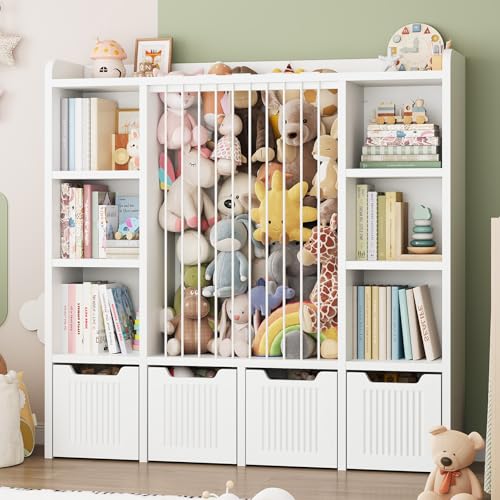
A cube organizer with fabric or plastic inserts works for books, art supplies, and small toys. Labels with pictures help pre-readers know exactly where each item belongs.
Built-In Wardrobe Systems
Adjustable shelving and hanging rails that grow with your child. Add low hanging rods for younger kids and raise them as your child gets taller — a long-term investment in the room's function.
Over-the-Door Organizers
Pocket organizers on the back of the door hold shoes, hair accessories, small toys, and school supplies. They use zero floor space and keep frequently used items visible.
Rolling Storage Carts
A three-tier rolling cart can serve as a mobile art station, homework caddy, or toy organizer. It moves where it's needed and tucks into a corner when not in use.
Window Seat With Storage
A built-in bench under a window provides seating plus hidden storage for toys, books, or bedding. It's a premium upgrade that turns dead space into a functional reading nook.
Book Storage That Encourages Reading
Front-facing bookshelves display covers rather than spines, which makes books more inviting for young children. A low, forward-facing shelf at eye level keeps favorite stories accessible. For older kids, a tall narrow bookshelf with adjustable shelves accommodates growing collections without consuming much floor space.
Clothing Storage for Small Spaces
Kids' clothes are small, so drawers don't need to be deep. A dresser with several shallow drawers actually stores more efficiently than one with a few deep drawers. Add drawer dividers to separate socks, underwear, and pajamas. For hanging clothes, a lower closet rod lets children reach their own outfits — a simple change that builds independence.
Choosing Storage by Age Group
Storage needs change as children grow. Matching the system to the developmental stage keeps the room functional and safe.
| Age Group | Best For | Storage Priorities |
|---|---|---|
| Toddlers (2–4) | Entry-level open storage | Low bins, rounded edges, picture labels, anchored furniture |
| Young Children (5–8) | Balanced tier mixed storage | Open bins plus a few drawers, art supply caddy, front-facing bookshelf |
| Pre-Teens (9–12) | Mid-tier modular systems | Desk storage, closed drawers for privacy, sports gear bins |
| Teenagers (13+) | Top-tier grown-up storage | Full wardrobe, tech charging station, under-bed drawers, study shelving |
Safety First: Storage That Keeps Kids Safe
Storage furniture introduces risks that parents must address. Heavy dressers and bookshelves can tip over if a child climbs on an open drawer. Always anchor tall furniture to the wall with anti-tip straps or brackets — this is non-negotiable, especially in rooms where children play unsupervised.
Other safety points to keep in mind:
- Choose bins and boxes without sharp edges or pinch points.
- Avoid storage units with heavy lids that can slam on small fingers — use soft-close or open-top designs instead.
- Keep high shelves for lightweight items and heavy items low.
- Check that toy bins have ventilation holes for safety.
- Secure shelving units to studs, not just drywall.
- Keep choking-hazard items out of reach of children under three.
Related reading: If you're designing the whole room, our guide to kids beds covers bed styles, sizes, and safety features that pair well with the storage strategies here.
Creative Ways to Make Storage Fun
When storage feels like play, children use it. A few approaches work consistently:
- Color-coding: Assign each toy category a color. Clean-up becomes a sorting game, and even young children can participate.
- Picture labels: Tape a photo or drawing of the contents to each bin. Pre-readers can match items to bins without help.
- Open shelving at kid height: Place everyday items on the lowest shelf so children can get them out and put them away independently.
- Rotating toy bins: Keep only a portion of toys accessible at a time and rotate them. Fewer choices means easier clean-up and renewed interest when toys reappear.
- Personalized baskets: A basket with the child's name or favorite color gives them a sense of ownership over their space.
Maximizing Storage in Small Kids Rooms
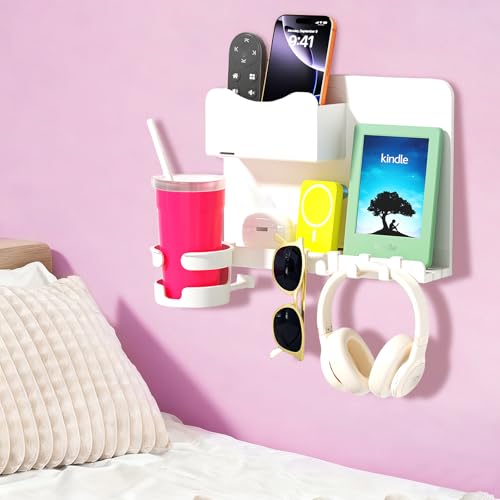
Small rooms demand vertical thinking. Wall-mounted shelves, floating cubbies, and pegboards use space above floor level that would otherwise stay empty. A pegboard with hooks can hold hats, bags, and small toys while acting as a decorative element. Wall hooks at child height let kids hang their own backpacks and jackets.
Corner spaces are often overlooked. A corner shelf unit or a triangular corner desk with storage fits into dead zones and adds usable surface area. For rooms shared by siblings, consider an L-shaped bunk bed for small rooms that combines two sleeping areas with built-in storage in a compact footprint.
Storage Products Worth Considering
The market offers storage solutions across all tiers. Here's how to think about the options without getting lost in endless choices.
Entry-Level Options
Fabric bins, plastic storage drawers, and basic cube organizers are widely available and easy to replace as needs change. They work well for toddlers and temporary setups. Look for bins with reinforced handles and sturdy bottoms — flimsy fabric tears under heavy toy loads.
Mid-Range Options
Wooden cube organizers, rolling carts, and adjustable shelving systems offer more durability and flexibility. These pieces can be reconfigured as the child grows and often last through multiple developmental stages. Good value for its tier means solid joinery and hardware that won't loosen after a few months of use.
Premium and Top-Tier Options
Built-in wardrobes, window seats with storage, and custom loft systems represent a long-term investment in the room's function. They're designed to fit the space precisely and often include features like soft-close drawers, adjustable shelving, and integrated lighting. These solutions make sense when you plan to stay in the home long-term or when the room's layout demands a custom fit.
Frequently Asked Questions
How do I stop toys from taking over the bedroom?
Limit the number of toys accessible at once. Use a rotation system — store some toys out of reach and swap them every few weeks. Combine this with open bins at child height so putting toys away is easy. The goal is fewer items visible at any given time, which reduces visual clutter and makes clean-up manageable.
What's the best storage for a shared kids bedroom?
Give each child their own labeled storage zone, even if the room is small. Separate bins, individual drawers, and personal shelves prevent arguments and build ownership. Vertical storage like tall bookshelves and wall-mounted cubbies maximizes shared space without dividing the room awkwardly.
Should storage be open or closed?
Use both. Open storage for items kids need daily — toys, books, art supplies — because visibility encourages use and easy clean-up. Closed storage for things that should stay out of sight — out-of-season clothing, bedding, keepsakes. A mix keeps the room visually calm while staying functional.
How high should shelves be for children?
For toddlers and young children, keep everyday items below 36 inches (about 90 cm) so they can reach independently. As children grow, add higher shelves for less frequently used items. Adjustable shelving systems make it easy to raise shelf heights as your child gets taller.
What storage works best for a very small room?
Prioritize vertical and under-bed storage. Wall-mounted shelves, over-the-door organizers, and bed frames with drawers use space that doesn't compete with floor area. A loft bed with a desk or shelving underneath can effectively double the usable space in a small room.
Final Thoughts
Great kids bedroom storage isn't about buying the most bins or the biggest shelving unit. It's about matching storage to your child's age, the room's size, and the family's daily routines. Start with a plan, choose furniture that stores as it functions, keep safety front and center, and make organization fun enough that kids participate. Done well, storage becomes a system that keeps the room calm and functional through every stage of childhood.
For more room-design inspiration, explore our guides on industrial bedroom style and indoor plants — both can complement a well-organized kids space with personality and freshness.