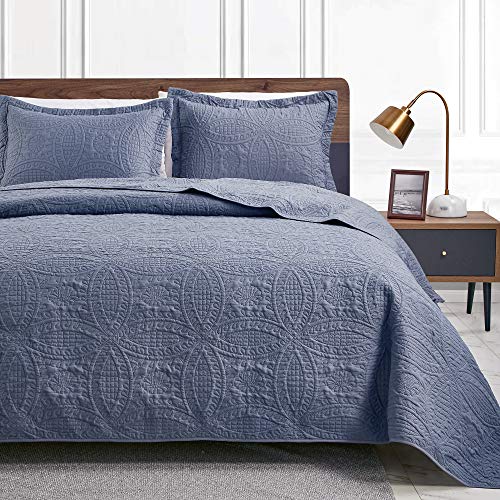
Light Weight King Size Bedspreads
Stay cool and comfortable all year long. Learn how to choose a breathable, easy-to-layer king bedspread that looks elegant and feels airy — without overheating at night.
SleepWisePicks Research Note: A light weight king size bedspread is one of the most overlooked upgrades for warm sleepers. The right fabric and weave can regulate temperature, reduce night sweats, and make your bed easier to maintain across seasons. This guide walks you through everything you need to know before you buy.
Why Choose a Light Weight King Size Bedspread?
King-size beds cover a large surface area, which means a heavy, dense bedspread can trap heat and make the entire sleeping environment feel stuffy. A light weight king size bedspread solves this by offering just enough warmth while allowing air to circulate freely around the body. For hot sleepers, couples who share different temperature preferences, and households in warmer climates, this is often the single most effective bedding adjustment you can make.
Beyond temperature regulation, lightweight bedspreads bring practical benefits: they are easier to launder, quicker to dry, simpler to fold and store, and they layer beautifully with throws or quilts during cooler months. If you are building a versatile bedding wardrobe, a breathable coverlet or lightweight king bedspread should be your foundational piece.
Many shoppers arriving at this stage already know they want a king bedspread — the real question is which construction, fabric, and tier suits their bedroom. The sections below break that decision into clear, manageable parts.
Key Factors When Buying Lightweight King Bedspreads
1. Fabric and Breathability
The fabric determines how a bedspread feels against the skin and how well it manages moisture. Cotton — especially percale and seersucker weaves — is the most popular choice for breathable bedding because it is naturally moisture-wicking and gets softer with each wash. Linen is another excellent summer-weight option, prized for its open weave and airy hand feel. Bamboo-derived rayon and certain microfiber blends can also work well when constructed with a lightweight finish, though natural fibers generally offer better airflow.
Pay attention to the weave, not just the fiber. An open, loosely woven fabric lets heat escape far better than a tightly woven sateen or a quilted multi-layer construction. If you are specifically shopping for warm-weather coverage, explore our guide to lightweight king bedspreads for summer for dedicated seasonal recommendations.
2. Weight and Fill
Lightweight bedspreads typically fall into two construction types: unfilled coverlets (a single or double layer of woven fabric with no batting) and lightly filled quilted spreads (a thin layer of polyester or cotton batting between two fabric layers). Unfilled coverlets are the lightest option and ideal for hot sleepers. Lightly filled quilted spreads offer a bit more structure and drape while still remaining breathable.
Avoid bedspreads described as "heavyweight," "plush," or "down alternative filled" if your goal is airflow. Those belong in the winter bedding category, not the lightweight category.
3. Size and Drop
King mattresses measure roughly 76 by 80 inches, but bedspread sizing varies significantly between brands. Standard king bedspreads often measure around 104 to 110 inches wide, providing a modest drop over the sides. If you want a fuller, floor-grazing look, consider an oversized option — our article on oversized king bedspreads explains the measurements in detail. For a tailored look that shows off the bed frame, a standard king-size spread is usually sufficient.
4. Style and Color
Because lightweight bedspreads are often the top visible layer in summer, their style matters as much as their function. Neutral tones like white, grey, and soft beige create a calm, hotel-like aesthetic, while patterned options — florals, chenille textures, or subtle stripes — add character. If you prefer a crisp, minimalist look, a white bedspread in a breathable cotton weave is a timeless choice. For texture lovers, our guide to chenille bedspreads covers the plush-but-breathable end of the spectrum.
5. Care and Durability
Lightweight bedspreads are generally machine washable, which is a major practical advantage over heavy comforters that require commercial laundering. Check the care label: cotton and linen blends usually tolerate warm water and tumble drying on low, while rayon and specialty blends may need gentler handling. Reinforced stitching and double-stitched hems are good indicators of durable construction that will survive frequent washing.
Tier Comparison: Matching Your Needs to Quality Levels
Lightweight king bedspreads span a wide range of construction quality. Rather than focusing on numbers, use the tier framework below to understand what each level of the market typically offers.
| Tier | Typical Construction | Best For |
|---|---|---|
| Essential tier | Single-layer polyester or cotton-blend weave, basic hem finish, limited color range | Guest rooms, seasonal use, shoppers who want a simple breathable cover |
| Mid-range tier | 100% cotton percale or seersucker, double-stitched hems, broader sizing and color options | Everyday use in warm climates, hot sleepers who want natural fibers |
| Premium tier | Long-staple cotton or linen blends, refined finishing, oversized drop options, fade-resistant dyes | Year-round layering, design-conscious bedrooms, frequent-wash households |
| Luxury tier | European flax linen or high-thread-count cotton, artisanal construction, tailored oversized dimensions | Master suites, shoppers prioritizing longevity and tactile quality |
Entry-level models often use thinner fabric that may pill after repeated washing, while mid-range and premium options typically deliver better durability and a softer hand feel. The key is to match the tier to how often you will wash and layer the bedspread.
How to Layer a Lightweight King Bedspread
One of the biggest advantages of a light weight king size bedspread is versatility. In summer, use it alone as your primary cover. In shoulder seasons, fold a quilt or throw at the foot of the bed for adjustable warmth. In winter, layer it beneath a duvet for an extra breathable base layer that helps regulate humidity.
For a polished look, pair your bedspread with complementary pillow shams and consider a textured throw blanket in a contrasting tone. If you enjoy seasonal styling, our guides to Christmas bedspreads and mid-century modern bedspreads show how a lightweight base cover can anchor a range of decorative themes.
Common Mistakes to Avoid
- Confusing "lightweight" with "thin and low quality." A high-quality lightweight coverlet can be durable and long-lasting; the two concepts are independent.
- Ignoring the drop measurement. A bedspread that is too short will look undersized on a king bed. Measure your mattress height plus desired overhang before ordering.
- Overlooking wash instructions. Natural fibers like linen can shrink if washed hot. Always follow the care label to preserve fit and finish.
- Skipping the fabric weight. GSM (grams per square meter) is a useful indicator. Lower GSM generally means a more breathable fabric, while higher GSM indicates a denser weave.
Frequently Asked Questions
What is the best fabric for a light weight king size bedspread?
Cotton percale and linen are generally the best choices for breathability and moisture management. Seersucker cotton is particularly effective in humid climates because its puckered weave lifts the fabric away from the skin, improving airflow.
Can a lightweight bedspread be used in winter?
Yes. Many people use a lightweight bedspread as a base layer and add a duvet or quilt on top during colder months. This layered approach is more flexible than owning a single heavy comforter.
How do I choose the right size for a king bed?
Start with your mattress dimensions (roughly 76 by 80 inches) and add the desired overhang on each side. Standard king bedspreads typically measure around 104 to 110 inches wide, while oversized options reach 120 inches or more for a fuller drop.
Are lightweight bedspreads durable?
Durability depends on construction and fiber quality. Mid-range and premium cotton or linen options with double-stitched hems generally last for years with proper care. Look for long-staple cotton or European flax for the best longevity.
Do light weight bedspreads wrinkle easily?
Linen and cotton percale naturally wrinkle, which many people consider part of their relaxed charm. If a crisp finish matters to you, look for blends that include a small percentage of polyester or choose a seersucker weave, which is designed to have a textured look.