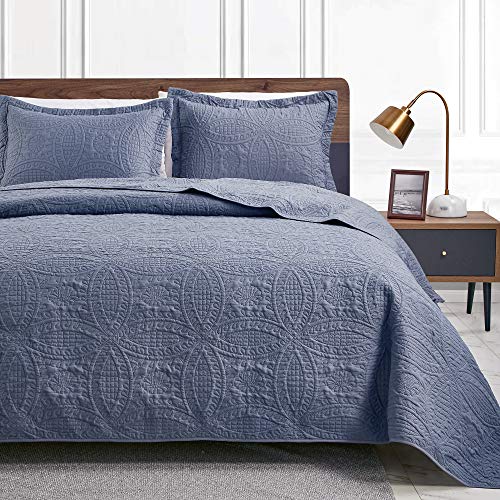
Lightweight Summer Bedspreads for Queen Size Beds
Stay cool and comfortable all season long. Discover breathable, lightweight queen bedspreads that combine airy comfort with effortless style — perfect for hot sleepers and warm-weather bedrooms.
Explore the GuideWhy lightweight bedspreads matter in summer: A heavy comforter traps body heat and disrupts thermoregulation during sleep. A lightweight queen bedspread allows air to circulate, wicks away moisture, and helps maintain the optimal sleep temperature range of 60–67°F (15–19°C). For hot sleepers, the right bedspread is not a luxury — it is a necessity for restorative rest.
What Makes a Summer Bedspread Truly Lightweight?
A lightweight summer bedspread for a queen size bed is engineered around three core principles: breathability, moisture management, and low thermal retention. Unlike heavy comforters or down-filled duvets, these bedspreads use open-weave fabrics, single-layer construction, or lightweight fills that allow body heat to escape rather than accumulate.
The queen size — typically 60 × 80 inches for the mattress — demands a bedspread with generous drape, usually around 90 × 100 inches or larger, so the coverlet falls elegantly over the sides and foot of the bed without exposing the mattress. Getting the dimensions right is just as important as the fabric choice. For a deeper dive into sizing standards across all bed dimensions, explore our lightweight cotton queen size bedspreads guide, which breaks down fit and fabric considerations in detail.
Best Materials for Hot Sleepers
Fabric selection is the single most important decision when choosing a summer bedspread. Here is how the leading materials compare:
- Cotton percale: Crisp, matte finish with excellent airflow. Percale's tight weave feels cool to the touch and grows softer with every wash — a top-tier choice for breathability.
- Cotton voile: Ultra-sheer and airy, voile is the lightest cotton construction available. Ideal for peak summer heat, though it offers less durability than percale.
- Linen: Naturally moisture-wicking and temperature-regulating. Linen bedspreads become more supple over time and are a premium-tier investment for hot climates.
- Bamboo viscose: Silky-smooth with outstanding moisture absorption. Bamboo blends feel cool and drape beautifully, though they require gentler care.
- Microfiber (lightweight): Entry-level option that is soft and wrinkle-resistant, but less breathable than natural fibers. Best for air-conditioned rooms rather than naturally warm spaces.
If you are specifically weighing cotton constructions, our guide to lightweight cotton summer bedspreads explores thread counts, weaves, and wash durability in greater depth. And if you prefer the classic, quilted look, the lightweight cotton bedspreads queen collection covers matelassé and quilted options that still breathe well.
Material Comparison at a Glance
| Material | Tier | Breathability | Moisture Wicking | Best For |
|---|---|---|---|---|
| Cotton Percale | Mid-tier | Excellent | Very Good | Everyday summer use |
| Cotton Voile | Entry-level | Outstanding | Good | Peak heat, airy bedrooms |
| Linen | Premium | Outstanding | Excellent | Humid climates, long-term use |
| Bamboo Viscose | Premium | Very Good | Outstanding | Hot sleepers who sweat at night |
| Lightweight Microfiber | Entry-level | Moderate | Moderate | Air-conditioned rooms |
Queen Size Fit: Dimensions and Drape
A standard queen mattress measures 60 × 80 inches. For a bedspread to drape properly — covering the mattress and falling 12–18 inches down each side — you should look for dimensions around 90 × 100 inches or a generous 102 × 100 inches for a more dramatic, floor-length look. Oversized options are especially useful if your queen bed sits on a tall frame or adjustable base.
If you want extra drape without moving to a king-size coverlet, explore lightweight oversized queen bedspreads, which are cut specifically to accommodate thicker mattresses and higher bed frames. And if your household includes multiple bed sizes, you may also want to compare the lightweight summer bedspreads king size and lightweight bedspreads full size guides to keep styling consistent across rooms.
Styling Your Queen Bed for Summer
A lightweight bedspread is a design opportunity, not just a functional purchase. Here are proven styling approaches for warm-weather bedrooms:
- Layered minimalism: Pair a crisp white percale bedspread with one or two accent pillows in a natural fiber. Keep the palette light — whites, sage, and soft blues reflect heat and visually cool the room.
- Textural contrast: Combine a smooth cotton voile spread with a linen bed skirt or woven throw at the foot of the bed. Mixing weaves adds depth without adding warmth.
- Fold-back styling: Fold the top third of the bedspread back over the sheets to reveal a contrasting flat sheet. This creates a hotel-style look and improves airflow at the torso.
- Seasonal rotation: Store the heavy duvet and switch to a lightweight spread for summer. Rotating bedding extends the lifespan of both pieces.
For more ideas on keeping your sleep space serene, see our broader collection of lightweight summer bedspreads and our lightweight bedspread for summer styling guide.
Care and Maintenance
Lightweight bedspreads are generally easier to care for than heavy comforters. Most cotton, linen, and bamboo blends are machine-washable on a gentle cycle with cold water and tumble-dry low. To preserve breathability, avoid fabric softeners — they coat fibers and reduce airflow. Wash summer bedspreads every one to two weeks during hot months, since sweat and body oils accumulate faster in warm weather. Line-drying in shade preserves color and prevents fiber damage from intense sun.
Frequently Asked Questions
What is the best lightweight bedspread material for a queen bed in summer?
Cotton percale and linen are the top performers for breathability and moisture management. Cotton voile is the lightest option for peak heat, while bamboo viscose is ideal for sleepers who perspire heavily at night. The best choice depends on your local humidity and whether your bedroom is air-conditioned.
What size bedspread should I get for a queen bed?
Look for a bedspread measuring at least 90 × 100 inches for standard drape, or 102 × 100 inches if you have a thick mattress or high bed frame. Oversized queen bedspreads are cut specifically to provide extra coverage on the sides and foot.
Can I use a lightweight bedspread year-round?
Yes — many people use a lightweight spread as a base layer and add a duvet or blanket during colder months. In summer, the lightweight spread works alone. This layering approach is more versatile than owning a single heavy comforter.
How often should I wash a summer bedspread?
During hot months, wash every one to two weeks. In cooler seasons, every three to four weeks is sufficient. Always follow the care label, use cold water, and avoid fabric softeners to maintain breathability.
Are lightweight bedspreads suitable for hot sleepers?
Absolutely. Lightweight, breathable fabrics allow body heat to dissipate and wick moisture away from the skin, which helps prevent night sweats and overheating. They are specifically recommended for people who wake up hot or sweaty.
Ready to Sleep Cooler This Summer?
Browse our curated selection of lightweight summer bedspreads for queen size beds — breathable, stylish, and built for hot sleepers.
View Top Picks Below