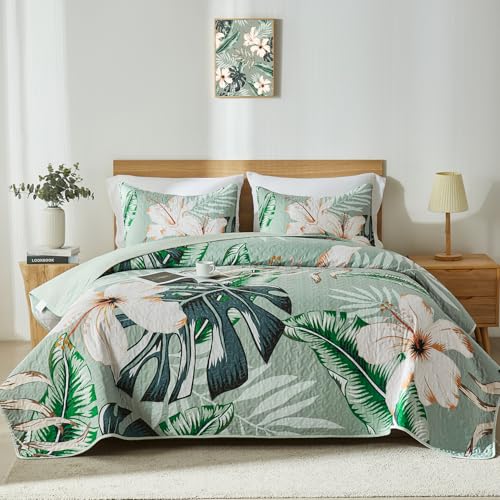
Lightweight Summer Bedspreads
Stay cool, breathe easy, and sleep comfortably through the hottest months with the right lightweight bedspread.
START EXPLORINGWhy lightweight summer bedspreads matter: When temperatures rise, your bedding should work with your body's natural cooling cycle — not against it. A heavy comforter or thick quilt traps heat, leading to night sweats, restless turning, and groggy mornings. A well-chosen lightweight summer bedspread allows air to circulate, wicks away moisture, and keeps your sleep environment comfortable without sacrificing style. Whether you sleep hot year-round or simply need a seasonal swap, understanding fabrics, weights, and construction helps you make a confident choice.
What Makes a Bedspread Summer-Weight?
A summer bedspread is defined less by a single specification and more by a combination of factors: fabric breathability, fill weight, weave density, and overall thermal performance. The goal is a bedspread that provides a light layer of warmth and protection while permitting continuous airflow.
Key Characteristics to Look For
- Low fill weight: Summer bedspreads typically use minimal or no batting — often just two layers of fabric quilted together or a single woven layer.
- Breathable fibers: Natural fibers like cotton, linen, and bamboo allow heat and moisture to escape more readily than synthetic fills.
- Open weave or loose construction: Percale, seersucker, and waffle weaves promote ventilation and feel cool to the touch.
- Moisture-wicking properties: Fabrics that pull sweat away from the skin keep you drier and more comfortable throughout the night.
- Lightweight hand-feel: A summer bedspread should feel airy and pliable — easy to fold, toss, and layer as needed.
Fabric Guide: Best Materials for Hot Sleepers
The fabric you choose has the single largest impact on how cool a bedspread feels. Below is a practical breakdown of the most common summer-friendly materials.
Cotton Percale
Crisp, matte, and highly breathable. Percale's tight yet lightweight weave feels cool against the skin and improves with every wash. A classic choice for hot sleepers who prefer a clean, tailored look.
Seersucker
The puckered texture lifts the fabric slightly off the skin, creating micro-channels for airflow. Lightweight and low-maintenance — ideal for humid climates.
Linen
Naturally moisture-wicking and temperature-regulating. Linen bedspreads soften over time and have a relaxed, lived-in elegance. Slightly heavier hand-feel than percale but exceptional breathability.
Bamboo Viscose
Silky-smooth and cool to the touch. Bamboo blends wick moisture efficiently and drape beautifully. Look for breathable weaves rather than dense sateen finishes.
Waffle Weave Cotton
The three-dimensional texture creates air pockets that insulate lightly while allowing heat to escape. Premium waffle bedspreads offer a spa-like aesthetic with reliable breathability.
Matelassé (Lightweight)
A quilted, textured fabric that looks substantial but can be woven in summer-weight versions. Choose unbatted or lightly batted matelassé for a refined look without excess warmth.
Summer Bedspread Types at a Glance
Use this comparison to match bedspread construction with your sleep style and climate. Tiers reflect relative market positioning and material quality — not absolute figures.
| Type | Best For | Breathability | Care | Tier Positioning |
|---|---|---|---|---|
| Cotton Quilt | Hot sleepers, humid climates | High | Machine washable | Essential – Balanced |
| Linen Coverlet | Temperature regulation, relaxed style | Very High | Machine wash cold, line dry | Balanced – Premium |
| Waffle Weave | Airflow, spa-inspired bedrooms | High | Machine washable | Balanced – High-End |
| Seersucker | Humid summers, casual bedrooms | Very High | Machine washable, minimal ironing | Essential |
| Bamboo Blend | Silky feel, moisture wicking | High | Gentle cycle, low heat | Balanced – Premium |
| Light Matelassé | Refined look with light warmth | Moderate–High | Machine wash delicate | Premium – High-End |
Sizing & Fit: Getting the Right Drape
A summer bedspread should cover the mattress and drape neatly without pooling on the floor. Fit affects both aesthetics and function — too small and it shifts; too large and it traps heat around the bed edges.
Fit Guidelines by Bed Size
- Twin & Twin XL: Look for bedspreads with generous drop (15–20 inches) to cover the sides cleanly. Twin XL is common in dorms and adjustable bases.
- Full & Queen: Queen is the most popular size — ensure the bedspread is labeled for queen and offers adequate coverage for pillow-topped mattresses.
- King & Cal King: King bedspreads should extend at least 15 inches on each side. Cal King requires a longer length — verify dimensions before choosing.
- Oversized options: If you have a thick mattress or a platform bed with a high profile, consider an oversized queen or king bedspread for better drape.
For detailed size-specific guidance, explore these related resources: lightweight summer bedspreads for king-size beds, queen-size lightweight summer bedspreads, full-size lightweight bedspreads, twin XL lightweight bedspreads, and lightweight Cal King bedspreads.
Cotton vs. Linen: Which Summer Bedspread Wins?
Both cotton and linen are excellent natural fibers for summer bedding, but they behave differently. Cotton percale is crisp, structured, and holds its shape well — it feels cool at first touch and remains breathable throughout the night. Linen is more porous, wicks moisture faster, and has a relaxed, rumpled texture that many sleepers find inviting. Linen also tends to feel cooler in warm rooms because of its natural heat-release properties.
The choice often comes down to personal preference: those who enjoy a tailored, hotel-like bed lean toward cotton percale or lightweight cotton quilts. Sleepers who prioritize temperature regulation and a casually elegant aesthetic often prefer linen. Blends can offer a middle ground — for instance, a cotton-linen blend combines structure with breathability. Explore lightweight cotton summer bedspreads and cotton queen-size options for more focused guidance.
Layering Tips for a Cool, Inviting Bed
A lightweight bedspread is the foundation of a summer bed, but layering can enhance both comfort and visual appeal. Start with breathable linen sheets or crisp cotton percale, add a thin quilt or coverlet, and finish with a lightweight bedspread for a finished look. In very hot climates, skip the top layer entirely and use only a coverlet or a folded bedspread at the foot of the bed — it's easy to pull up if the temperature drops.
For styling, choose a bedspread that complements your bedroom's palette. Neutral tones and soft pastels reflect heat and light, making the room feel fresher. A textured waffle or seersucker weave adds visual interest without weight. If your style leans modern, consider a lightweight matelassé bedspread for subtle texture. For a breezy coastal feel, explore nautical-inspired bedspreads or light blue king-size bedspreads that evoke clear summer skies.
Care & Maintenance for Longevity
Summer bedspreads are exposed to more body moisture and frequent washing than winter bedding. Proper care preserves fabric integrity, color, and breathability. Always check the care label — most cotton and linen bedspreads are machine washable in cold water. Avoid fabric softeners, which can coat fibers and reduce breathability. Tumble dry on low or line dry to prevent shrinkage and maintain the weave's openness.
Rotate bedspreads if you use multiple seasonal options, and store them clean and dry in a breathable cotton bag — not plastic — to prevent mustiness. For lightweight cotton and linen pieces, a gentle cycle with mild detergent is usually sufficient. If you have a lightweight cotton queen bedspread, consider washing it every two to three weeks during summer to keep it fresh and free of allergens.
Common Mistakes to Avoid
What to Watch Out For
- Choosing based on thread count alone: A very high thread count can actually reduce breathability if the weave is dense. For summer, prioritize weave type and fiber over thread count.
- Ignoring fill weight: Even a "lightweight" label can hide a polyester fill that traps heat. Look for unbatted or lightly batted construction.
- Buying the wrong size: A too-small bedspread shifts during the night and exposes the mattress — measure your bed and mattress height before ordering.
- Skipping a mattress protector: Summer sweat can damage mattress materials over time. A breathable, waterproof mattress protector beneath your bedspread adds protection without adding heat.
- Overlooking care requirements: Delicate fabrics that require dry cleaning may not suit daily summer use. Choose machine-washable options for convenience.
Frequently Asked Questions
What is the best fabric for a lightweight summer bedspread?
Cotton percale, linen, and bamboo blends are the most breathable options. Cotton percale offers a crisp, cool feel, linen excels at moisture wicking, and bamboo provides a silky-smooth texture. For humid climates, seersucker and waffle weaves are excellent choices because their textured surfaces promote airflow.
Can I use a lightweight summer bedspread year-round?
Yes, if you layer appropriately. In cooler months, add a blanket or duvet over the bedspread, or use the bedspread as a mid-layer. Many hot sleepers prefer a lightweight bedspread as their primary cover year-round, adjusting with additional layers as needed.
How do I choose between a quilt and a bedspread for summer?
Quilts typically have a visible stitched pattern and a thin batting layer, while bedspreads are often a single decorative layer that drapes over the entire bed. For summer, both can work — look for quilts labeled "summer-weight" or "lightweight," and bedspreads made from breathable, unbatted fabrics.
Should I use a top sheet with a summer bedspread?
It's a matter of preference. A top sheet adds a layer that can be kicked off if you get warm, and it protects the bedspread from direct contact with your skin. In very hot weather, some sleepers skip the top sheet and use only a lightweight bedspread for maximum airflow.
How often should I wash a summer bedspread?
During summer, wash your bedspread every two to three weeks — more often if you sweat heavily or have allergies. Always follow the care label, use cold water, and avoid fabric softeners to maintain breathability.
For more summer bedding inspiration, explore our guides on lightweight bedspreads for summer, oversized queen lightweight bedspreads, king-size bedspread sets, and king-size quilted bedspread sets. If you're also refreshing your pillows, see our bedding and linens hub for more ideas.