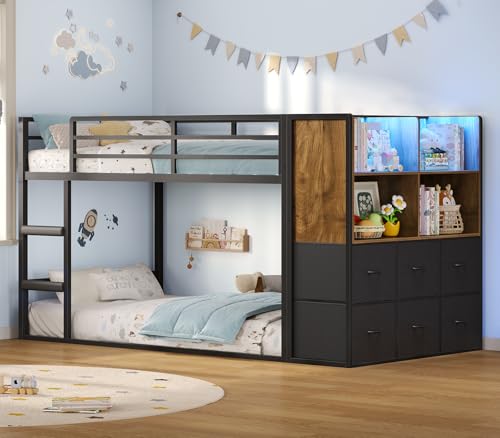
Low Ceiling Bunk Beds for Adults: The Complete Guide
Maximize your space without sacrificing comfort. Learn how to choose a low-profile bunk bed that fits safely and stylishly under limited headroom.
START THE GUIDEWhy Choose a Low Ceiling Bunk Bed for Adults?
Adult bunk beds are no longer confined to children's rooms or vacation cabins. As living spaces become more compact and multi-functional, adults are increasingly turning to bunk beds to maximize floor area in studios, guest rooms, basements, and shared apartments. However, standard bunk beds often assume a ceiling height of eight feet or more. In rooms with lower ceilings, a conventional bunk bed can leave the top sleeper feeling cramped and can create a claustrophobic atmosphere.
This is where low ceiling bunk beds for adults come in. These specialized designs reduce the overall height of the bed without compromising on mattress size or structural integrity. By lowering the top bunk and using a more compact frame, they allow adults to sit up comfortably and move around the room without ducking. Whether you are furnishing a basement bedroom, a loft apartment, or a vacation cottage with sloped ceilings, a low-profile bunk bed is a practical and stylish solution.
For those exploring alternative space-saving layouts, you may also be interested in low loft bunk beds or low-profile bunk beds for adults, which offer similar benefits with slightly different configurations.
How Low Ceiling Bunk Beds Differ from Standard Bunks
Understanding the anatomy of a low ceiling bunk bed will help you make an informed decision. The primary difference lies in the clearance between the bottom and top bunks, as well as the height of the top bunk relative to the floor.
Reduced Top Bunk Height
In a standard bunk bed, the top bunk is typically positioned high enough to allow a full-size adult to sit up in the bottom bunk. This often results in an overall height of 65 to 72 inches. A low ceiling bunk bed reduces this by several inches, often bringing the top bunk closer to the bottom. This means the bottom sleeper may have less headroom, but the top sleeper gains valuable clearance from the ceiling. For adults who primarily use the top bunk for sleeping and the bottom bunk for lounging or storage, this trade-off is often worthwhile.
Lower Profile Guardrails
Safety is paramount in any bunk bed, and low ceiling models are no exception. Guardrails on the top bunk are designed to prevent falls without adding unnecessary height. Look for guardrails that extend at least five inches above the mattress top and are securely anchored to the frame. Some premium models feature reinforced guardrails with a mesh or solid panel design for added security.
Space-Saving Frame Design
Low ceiling bunk beds often feature slimmer posts and a more compact footprint. Metal frames, in particular, can be engineered with high-grade steel tubing that is both strong and visually lightweight. This makes the bed feel less imposing in a small room. Wooden frames offer a warmer look but may be bulkier; however, modern manufacturers are increasingly producing low-profile wooden bunks with clean lines and a minimalist aesthetic.
| Feature | Standard Bunk Bed | Low Ceiling Bunk Bed |
|---|---|---|
| Overall Height | 65–72 inches | 50–60 inches |
| Top Bunk Clearance to Ceiling | Often limited in low rooms | Optimized for 7–8 ft ceilings |
| Bottom Bunk Headroom | Generous | Reduced but functional |
| Best For | Rooms with standard or high ceilings | Basements, lofts, cottages, compact apartments |
| Typical Frame Material | Metal or wood | High-grade steel or solid wood |
Key Features to Look For in Low Ceiling Bunk Beds for Adults
When shopping for a low ceiling bunk bed, focus on these critical features to ensure safety, durability, and long-term satisfaction.
1. Weight Capacity and Frame Strength
Adult bunk beds must support significantly more weight than children's models. Look for frames rated for at least 250 pounds per bunk, with premium models supporting 400 pounds or more. Reinforced metal frames with high-grade steel and welded joints are excellent choices for durability. Wooden frames should use solid hardwood or high-quality engineered wood with sturdy fasteners. Avoid frames that feel shaky or use thin, hollow tubing.
2. Safety Guardrails and Ladder
The top bunk must have a secure guardrail on all open sides. The ladder should be easy to climb, with wide, flat steps and a design that prevents slipping. Some models feature a ladder that can be hooked onto either side of the bed for flexibility. For added safety, consider a bed with a built-in ladder that is angled rather than vertical, as this is easier on the feet and knees.
3. Mattress Compatibility
Low ceiling bunk beds are designed for standard mattress sizes, typically twin over twin, full over full, or twin over full. Always check the maximum mattress thickness recommended by the manufacturer. Using a mattress that is too thick can compromise the guardrail's effectiveness and reduce the clearance between bunks. A mattress that is too thin may not provide adequate support. For adult comfort, consider a medium-firm mattress that balances support and pressure relief.
4. Assembly and Installation
Most low ceiling bunk beds ship flat-packed and require assembly. Check whether the manufacturer provides clear instructions, all necessary tools, and a reasonable assembly time. Some models offer a tool-free assembly design, while others require basic hand tools. If you are not confident in your DIY skills, consider a model that is known for straightforward assembly or budget for professional installation.
5. Style and Finish
Low ceiling bunk beds come in a range of styles, from industrial metal frames to minimalist wooden designs. Choose a finish that complements your existing decor. Metal frames are available in powder-coated finishes that resist scratches and rust, while wooden frames may feature a natural grain or a painted finish. For a cohesive bedroom look, consider pairing your bunk bed with a low bedstead or a low-profile platform bed if you have additional sleeping space.
Understanding Quality Tiers: Entry-Level to Premium
To help you navigate the market, we classify low ceiling bunk beds into three broad tiers. This classification is based on construction quality, material grade, and design sophistication—not on numerical figures.
Entry-Level Tier
Entry-level low ceiling bunk beds are a solid choice for occasional use, guest rooms, or tight budgets. They typically feature a simpler metal frame with a powder-coated finish and basic guardrails. Weight capacity is usually in the 200–250 pound range per bunk. These models are functional and efficient in the long run for light-duty use, but may not offer the same level of refinement or durability as higher tiers.
Mid-Range Tier
Mid-range models offer a noticeable step up in build quality. Frames are often constructed from heavier-gauge steel or solid wood, with reinforced joints and a more stable feel. Guardrails are more substantial, and the ladder design is more ergonomic. Weight capacity typically ranges from 300 to 400 pounds per bunk. These beds are well-specified for the category and represent a balanced choice for daily adult use.
Premium Tier
Premium low ceiling bunk beds are engineered for long-term daily use and maximum safety. They feature commercial-grade construction, often with high-grade steel or hardwood frames, precision welding, and a flawless finish. Weight capacity can exceed 400 pounds per bunk. Additional features may include built-in storage, a desk attachment, or a futon conversion. These models are a worthwhile investment for those who prioritize durability and design.
How to Measure Your Room for a Low Ceiling Bunk Bed
Proper measurement is essential to ensure your new bunk bed fits safely and comfortably. Follow these steps before making a purchase.
- Measure Ceiling Height: Use a tape measure to determine the distance from the floor to the ceiling at the intended location of the bed. Do this in several spots, as ceilings can be uneven or sloped.
- Account for Fixtures: Note the position of ceiling fans, light fixtures, and vents. Ensure the top bunk will not interfere with these fixtures and that there is adequate clearance for the sleeper.
- Calculate Clearance: Subtract the mattress thickness and the height of the top guardrail from the ceiling height. A minimum of 30 inches of clearance above the top mattress is a good rule of thumb for adults.
- Measure Floor Space: Measure the length and width of the area where the bed will go. Leave at least 24 inches of walkway space around the bed for easy access and safety.
- Check Doorways and Stairs: Ensure the assembled bed can be maneuvered through doorways and up stairs. Some models can be partially disassembled for easier transport.
If you are working with a particularly challenging space, such as a room with a sloped ceiling, consider a low-height bunk bed for adults that is designed to fit under the slope. These models often have an asymmetrical design that places the lower bunk on the side with the most headroom.
Safety Considerations for Adult Bunk Beds
Safety should never be compromised, especially when adults are sleeping on an elevated surface. Keep these guidelines in mind:
- Weight Capacity: Never exceed the manufacturer's recommended weight capacity. Distribute weight evenly across the bunk.
- Guardrails: Ensure the top bunk has guardrails on all open sides. The guardrails should be securely attached and free of sharp edges.
- Ladder Safety: Use the ladder every time you get in or out of the top bunk. Keep the ladder free of clutter and ensure it is securely hooked onto the bed.
- Mattress Fit: Use a mattress that matches the size of the bunk and does not leave gaps around the edges. A properly fitted mattress reduces the risk of entrapment.
- Assembly: Follow the manufacturer's assembly instructions carefully. Periodically check and tighten all bolts and fasteners.
- Placement: Position the bed away from windows, blinds, and other potential hazards. Avoid placing the bed directly under a ceiling fan.
For additional guidance on creating a safe sleep environment, explore our mattress buying guide and sleep health resources.
Related Space-Saving Solutions
Low ceiling bunk beds are just one option for maximizing a compact bedroom. Depending on your layout and needs, you may also consider these alternatives:
- Low bunk beds — a broader category of low-profile bunk beds for various room sizes.
- Low loft beds with desk — combine sleeping and workspace in a single footprint.
- Low-profile bunk beds with stairs — safer and easier access than a traditional ladder.
- Loft bunk beds for adults — explore elevated designs for rooms with adequate ceiling height.
- Mattress size chart — confirm the right mattress dimensions for your bunk.
If you are furnishing a basement or guest room, you may also find inspiration in our bedroom decor section, where we cover lighting, color schemes, and layout tips for small spaces.
Ready to Find Your Perfect Low Ceiling Bunk Bed?
Explore our curated selection of top-rated low-profile bunk beds for adults. Compare features, check availability, and read detailed specifications.
VIEW RECOMMENDED MODELSFrequently Asked Questions
What is the ideal ceiling height for adult bunk beds?
For a standard bunk bed with two mattresses, a ceiling height of at least 8 feet is generally comfortable. However, low ceiling bunk beds are specifically designed for rooms with 7 to 8 feet of headroom, using a lower profile to prevent the top sleeper from feeling cramped. Always measure your space and allow for at least 30 inches of clearance above the top mattress.
Are low ceiling bunk beds safe for adults?
Yes, when properly constructed and installed. Look for models with reinforced frames, secure guardrails, and a weight capacity that comfortably exceeds the intended user's weight. Always follow the manufacturer's assembly and safety instructions, and periodically check that all fasteners are tight.
How do I measure my room for a low ceiling bunk bed?
Measure the distance from the floor to the ceiling, then subtract the mattress thickness and the height of the top bunk's guardrail to ensure the top sleeper has adequate clearance. Also, account for ceiling fixtures and fans. A minimum of 30 inches of clearance above the top mattress is a good rule of thumb.
Can I put a low ceiling bunk bed in a basement?
Yes, low ceiling bunk beds are an excellent choice for basements with limited headroom. They maximize vertical space without making the room feel claustrophobic. Ensure the basement is dry and well-ventilated to protect the bed frame and mattresses.
What materials are best for low ceiling bunk beds?
Metal frames, particularly those made from high-grade steel, offer exceptional durability and a slim profile that saves space. Solid wood frames, such as pine or hardwood, provide a warm aesthetic and sturdy support. Look for reinforced joints and a rust-proof finish on metal options.