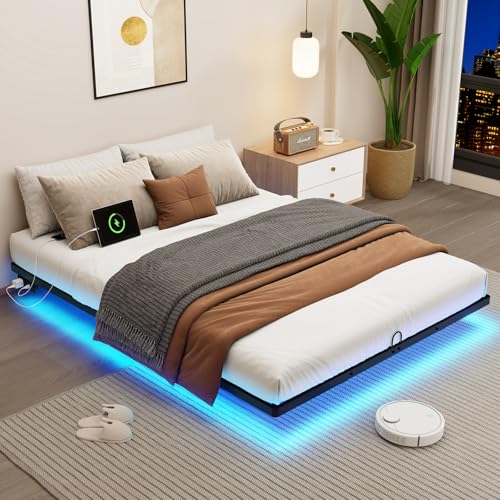
Low Profile Platform Beds: The Complete Buyer's Guide
Everything you need to know about low-height platform beds — benefits, sizing, materials, and how to choose the right frame for a modern, grounded bedroom.
Why low profile platform beds matter: A platform bed sits lower to the floor than a traditional frame, creating a clean, contemporary look while improving accessibility and maximizing vertical space. If you are researching a new bed frame, this guide walks you through the essentials so you can decide with confidence.
What Is a Low Profile Platform Bed?
A low profile platform bed is a bed frame with a mattress platform typically positioned close to the floor — often around 10 to 14 inches from floor to mattress surface, depending on the design. Unlike traditional bed frames that rely on box springs, a platform bed uses a solid slat system or a flat platform deck to support the mattress directly.
The "low profile" aspect refers to the reduced height, which gives the bedroom a grounded, contemporary aesthetic. Many modern platform beds are also available in upholstered finishes, solid wood, and metal constructions. For a broader comparison of styles, explore our guide to modern platform beds.
Key characteristics include a low overall height, a slatted or solid support deck, no need for a box spring, and a streamlined silhouette that pairs well with minimalist and mid-century interiors.
Key Benefits of Choosing a Low Profile Platform Bed
Space-Saving Aesthetic
Lower frames make rooms feel more open. The reduced visual mass is especially helpful in bedrooms with sloped ceilings or compact footprints. Pair with twin beds for small rooms if you are furnishing a guest space.
Easy Accessibility
A lower mattress height can be easier to get in and out of, which is a practical consideration for children and older adults. It also simplifies changing sheets.
Sturdy Mattress Support
Quality slat systems distribute weight evenly and support most mattress types, including memory foam and hybrid. No box spring is required, which keeps the profile tidy.
Modern Design Versatility
From upholstered to wood finishes, low profile platform beds suit contemporary, Scandinavian, and minimalist interiors. If you prefer a soft-textured look, see our platform upholstered beds overview.
Sizing and Dimensions: What to Expect
Low profile platform beds are available in all standard mattress sizes — twin, full, queen, king, and California king. The "low" designation refers to height rather than width or length, so mattress compatibility remains straightforward.
When planning, measure the floor-to-mattress height you prefer and confirm the platform height range. Standard mattresses are usually around 8 to 12 inches thick; a low platform frame may bring the total sleeping surface to roughly 18 to 24 inches, depending on the mattress combination.
For broader context on frame styling across sizes, browse our collection of modern full size beds and modern queen size beds to compare proportions and design language.
Materials and Construction: What to Look For
The material and build quality of a low profile platform bed directly influence durability, comfort, and appearance. Here is what matters:
- Solid wood frames: Hardwood construction — such as oak, walnut, or maple — offers long-term durability and a warm, natural look. Look for reinforced joinery and kiln-dried wood.
- Metal frames: High-grade steel with a rust-proof finish provides heavy-duty support and a slim visual profile. Reinforced center rails are a plus for larger sizes.
- Upholstered platforms: Linen, velvet, and performance fabrics add softness and acoustic comfort. Check that the upholstery is tightly tailored and the foam padding is dense.
- Slat systems: Closely spaced hardwood slats (ideally 2 to 3 inches apart) provide even mattress support. A center support beam is essential for queen and king sizes.
- Under-bed clearance: Some low profile beds still offer a few inches of clearance, while others sit nearly flush. Confirm whether you need space for storage or airflow.
If you are comparing construction standards, our heavy duty furniture guide explains what reinforced builds look like in practice.
Who Should Choose a Low Profile Platform Bed?
Low profile platform beds suit a wide range of sleepers and room types. They are particularly well matched to:
- Sleepers who prefer a grounded, minimalist bedroom aesthetic
- Smaller bedrooms where vertical space feels tight
- Rooms with sloped ceilings or low windows
- Children's rooms and guest spaces where accessibility matters
- Anyone transitioning away from a box spring setup
If you are furnishing a compact guest room, pair a low platform bed with a modern narrow bedside table to keep the layout balanced. For children's rooms, our children's bunk beds guide offers alternative space-saving solutions.
How to Style a Low Profile Platform Bed
Because the frame sits lower, styling should emphasize horizontal lines and uncluttered surfaces. Consider these approaches:
- Low nightstands: Choose bedside tables that sit slightly above the mattress height for visual balance. A rectangular bedside table or mid-century bedside table works well.
- Layered bedding: A simple quilted or textured bedspread keeps the look clean. For a modern touch, pair with a queen quilt bedspread set.
- Rug placement: Position a rug partially under the bed to anchor the frame. See our notes on rugs under king size beds for sizing guidance.
- Lighting: A modern bedside table lamp adds warmth without visual bulk.
Low Profile vs. Standard Platform Beds: Quick Comparison
| Feature | Low Profile Platform Bed | Standard Platform Bed |
|---|---|---|
| Overall Height | Lower, closer to the floor | Standard height, often 12 to 18 inches floor-to-mattress base |
| Visual Effect | Grounded, minimalist, space-opening | Traditional, more vertical presence |
| Accessibility | Easier entry and exit for many users | Standard step-up height |
| Under-bed Space | Limited; varies by design | Often more clearance for storage |
| Style Fit | Modern, Scandinavian, minimalist | Broad range, including traditional |
For those who need extra storage, consider a bed with storage drawers or explore beds with lift-up storage as an alternative.
Practical Buying Tips Before You Decide
- Measure your space: Confirm the footprint and the height you want. Consider ceiling height and window placement.
- Check mattress compatibility: Most mattresses work, but confirm slat spacing and weight capacity.
- Review assembly and delivery: Larger frames may require two-person assembly. Check whether tools are included.
- Assess build quality: Look for solid joinery, reinforced center rails, and durable finishes.
- Plan your nightstand pairing: Low beds pair best with proportional furniture — compare options like a small round bedside table or a tall narrow bedside table depending on your layout.
If you are also considering a headboard addition, review our guide to headboards for queen beds to complete the setup.
Frequently Asked Questions
Do low profile platform beds need a box spring?
No. Platform beds are designed with a slat system or solid deck that supports the mattress directly. A box spring is not required and would defeat the low-profile design.
Are low profile beds suitable for heavy sleepers?
It depends on construction. Look for reinforced frames, closely spaced hardwood slats, and a center support rail for larger sizes. Our guide to heavy duty furniture explains what to check.
Can I use a memory foam mattress on a low platform bed?
Yes. Memory foam mattresses perform well on slatted platform decks as long as the slats are closely spaced and the mattress is compatible with the support system.
How do I style a low bed without it looking unfinished?
Use proportional nightstands, layered bedding, and a rug that extends under the frame. A low-profile bed looks intentional when the surrounding pieces respect the horizontal lines.
Ready to explore options? Browse our recommended low profile platform beds below and compare features, materials, and sizing to find the frame that fits your bedroom.