Low Platform Beds: The Complete Buyer’s Guide
Explore low-profile platform beds that combine modern design, space-saving efficiency, and sturdy support. Learn how to choose the right low bed frame for your bedroom.
Start the GuideWhy low platform beds? A low platform bed sits closer to the floor and uses a built-in slatted or solid base instead of a box spring. This creates a clean, contemporary look, makes small rooms feel more open, and provides a solid foundation for your mattress — all without the bulk of a traditional bed setup.
What Is a Low Platform Bed?
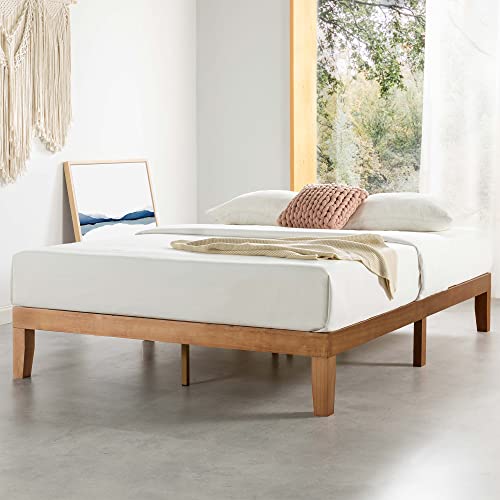
A low platform bed is a bed frame designed with a low overall profile, typically measuring around 8 to 14 inches from the floor to the top of the mattress surface. Unlike traditional bed frames that require a box spring, a low platform bed features a built-in support system — usually wooden slats or a solid panel — that holds the mattress directly.
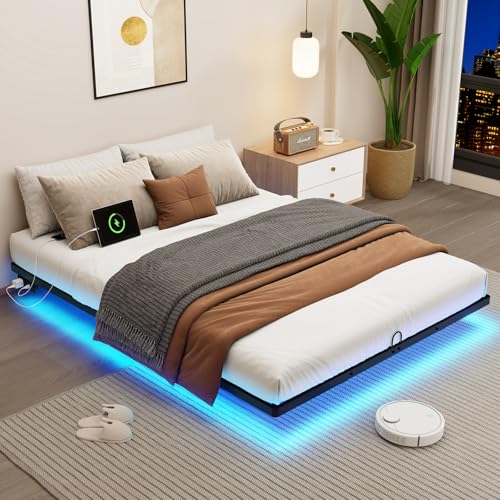
The result is a minimalist, grounded aesthetic that pairs well with modern, Scandinavian, and contemporary bedroom styles. Because the frame sits closer to the floor, the bed becomes a subtle anchor in the room rather than a dominating centerpiece. This makes low platform beds particularly attractive for smaller bedrooms, guest rooms, and apartments where visual space matters.
If you are also considering other low-profile options, our guide to low profile platform beds covers similar designs with an emphasis on slim silhouettes. For a more classic low frame, see our overview of the low bedstead.
Key Benefits of Low Platform Beds
Low platform beds offer a distinct set of advantages that make them a smart choice for many sleepers. Here are the most notable benefits:
- Space-saving visual impact: A low bed opens up wall space and makes ceilings feel higher, which is especially valuable in small or low-ceiling bedrooms.
- Modern aesthetic: The clean lines and low stance fit seamlessly into contemporary, minimalist, and Japanese-inspired interiors.
- No box spring required: The built-in platform base supports the mattress directly, simplifying your setup and reducing overall bed height.
- Easy access for children and pets: A lower bed height makes it simpler for young children, older adults, and small pets to get in and out.
- Sturdy foundation: Well-built low platform beds use reinforced slats and solid joinery to provide reliable mattress support.
- Versatile styling: Low beds work well with floating nightstands, layered bedding, and low-profile bedroom furniture.
Pros and Cons at a Glance
✓ Advantages
- Makes small bedrooms feel more spacious
- Modern, clean, and minimalist look
- No box spring needed — simpler setup
- Easy for kids and older adults to access
- Available in entry-level to luxury tiers
- Works with a wide range of mattress types
✗ Considerations
- Limited under-bed storage compared to taller frames
- Can be harder to get up from for some sleepers
- Not ideal for very thick mattresses
- May require a specific mattress thickness
- Some designs offer less airflow underneath
Weighing these factors against your bedroom size, sleeping habits, and style preferences will help you decide whether a low platform bed is the right foundation for you. Sleepers who prioritize easy access may also want to explore adjustable bed frames for additional flexibility.
Types of Low Platform Beds
Low platform beds come in several configurations, each with its own strengths. Understanding the differences will help you narrow down your options.
1. Solid Platform Beds
These beds feature a solid base panel beneath the mattress. They provide even support and a very clean look, making them a popular choice for modern bedrooms. Solid platforms are especially compatible with foam mattresses, which benefit from a firm, flat surface.
2. Slatted Platform Beds
Slatted designs use evenly spaced wooden or metal slats to support the mattress. They allow for better airflow and are often lighter than solid platforms. Slatted low platform beds are a versatile option for memory foam, hybrid, and latex mattresses. If you use a memory foam mattress, review our memory foam mattress guide for matching advice.
3. Storage Low Platform Beds
Some low platform beds include drawers or compartments built into the frame. These are useful for storing bedding, clothing, or small items while keeping the low-profile aesthetic. If storage is a priority, our storage beds guide offers broader options.
4. Upholstered Low Platform Beds
Upholstered versions add softness and texture to the bedroom. They are available in fabric, velvet, and leather options, often in mid-range to premium tiers. These beds pair well with layered bedding and soft lighting.
5. Metal Low Platform Beds
Metal low platform beds are known for their durability and industrial aesthetic. High-grade steel frames with reinforced slats offer long-term support and a sleek look. For more frame styles, browse our metal bed frames section.
Choosing the Right Size
Low platform beds are available in all standard mattress sizes. The right size depends on your room dimensions, the number of sleepers, and your personal comfort preferences. Before you shop, consult our mattress size chart to confirm dimensions and clearance requirements.
| Bed Size | Best For | Room Fit | Notes |
|---|---|---|---|
| Twin | Kids, teens, guest rooms | Small bedrooms, dorms | Space-efficient entry-level option |
| Full | Single adults, teens | Medium bedrooms | Good balance of comfort and footprint |
| Queen | Couples, solo sleepers | Standard bedrooms | Most popular size overall |
| King | Couples wanting space | Large master bedrooms | Requires generous room width |
| California King | Taller sleepers, couples | Spacious bedrooms | Extra length, slightly narrower than King |
For a deeper look at specific sizes, our queen beds and full beds guides provide additional context. If you are furnishing a child’s room, the kids beds collection includes low-profile options designed for safety and style.
Materials and Construction
The materials used in a low platform bed affect its durability, appearance, and long-term performance. Here is what to look for:
- Solid wood: Offers durable construction and a natural look. Hardwoods such as oak, maple, and walnut are common in mid-range to premium tiers.
- Engineered wood: Often used in entry-level and mid-range beds. Quality MDF and plywood with reinforced joinery can provide solid support.
- Metal: High-grade steel frames with rust-proof finish are common in industrial and minimalist designs. Look for reinforced slats and heavy-duty hardware.
- Upholstered fabric: Adds comfort and style. Premium fabrics and dense foam padding are typical of higher-end tiers.
Regardless of material, check that the slat spacing is appropriate for your mattress type. Foam mattresses generally need slats no more than 3 inches apart, while innerspring and hybrid mattresses can tolerate slightly wider spacing. Our mattress buying guide explains the relationship between mattress type and foundation requirements in more detail.
Matching a Mattress to a Low Platform Bed
Because low platform beds sit close to the floor, the mattress you choose has a big impact on both comfort and proportion. Here are some practical guidelines:
- Mattress thickness: An 8 to 12 inch mattress usually works best. It keeps the bed height low and balanced.
- Mattress type: Memory foam, hybrid, latex, and innerspring mattresses all work on platform beds, provided the slats are appropriately spaced.
- Firmness: The platform base itself does not change mattress firmness, but a very firm mattress on a low bed may feel harder to get out of.
- Protection: Use a quality mattress protector to keep your mattress clean and extend its lifespan.
If you are still deciding between mattress types, our comparisons of medium-firm mattresses and medium mattresses can help you narrow down your preference.
Who Should Choose a Low Platform Bed?
Low platform beds are a strong fit for several types of sleepers and living situations:
- Small bedroom owners: The low profile makes compact rooms feel more spacious and less crowded.
- Modern design enthusiasts: Clean lines and minimal bulk suit contemporary and minimalist interiors.
- Families with young children: A lower bed height makes it easier for kids to get in and out safely.
- Older adults: Some sleepers find a low bed easier to access, though this depends on individual mobility.
- Guest room hosts: Low platform beds are a stylish, practical choice for guest bedrooms and multi-use rooms.
- Apartment dwellers: The compact footprint and visual lightness are ideal for smaller urban spaces.
If you are furnishing a shared or multi-purpose room, you may also want to explore daybeds or trundle beds for flexible sleeping arrangements.
Buying Tips: What to Check Before You Choose
Before finalizing your choice, run through this checklist to ensure your low platform bed meets your needs:
- Measure your room: Confirm the bed dimensions and leave enough clearance for walking and opening doors.
- Check slat spacing: Match slat spacing to your mattress type to avoid sagging and voided warranties.
- Review weight capacity: Look for a frame rated for your body weight and mattress weight, especially for larger sizes.
- Inspect joinery and hardware: Reinforced joints and heavy-duty hardware indicate durable construction.
- Consider assembly: Some frames require professional assembly; check the instructions and tools included.
- Verify warranty: A solid warranty is a good sign of build confidence. See our warranty guide for related information.
- Plan for bedding: Low beds often look best with layered bedding. Explore bedding and linens for ideas.
For guidance on overall bedroom layout and styling, our bedroom decor section and bedroom setup guide offer practical inspiration.
Ready to explore low platform beds that fit your space and style? Browse curated options below and compare features before you decide.
View Recommended Low Platform Beds