Complete Mattress Encasements Guide
Protect your mattress from bed bugs, allergens, spills, and daily wear. Discover the best encasement for your needs and sleep with peace of mind.
What Is a Mattress Encasement?
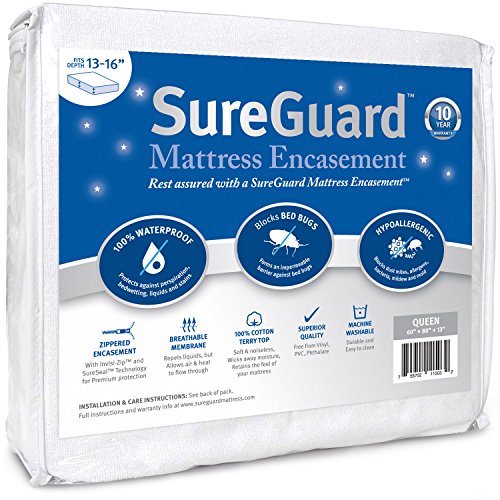
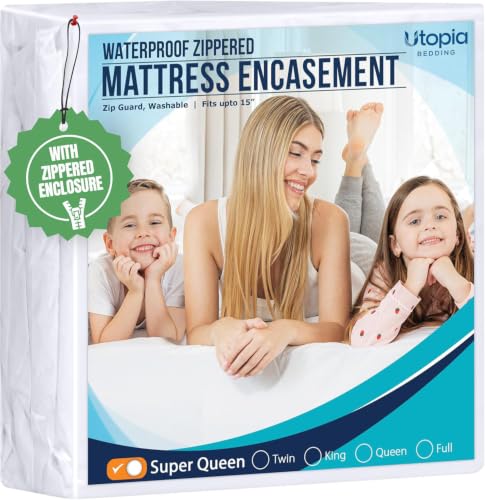
A mattress encasement (also called a mattress enclosure or zippered mattress protector) is a protective cover that completely wraps your mattress on all six sides. Unlike a standard mattress pad or fitted sheet, an encasement uses a full-length zipper to seal the mattress inside, providing 360-degree protection against:
- Bed bugs and dust mites – The tight weave prevents pests from entering or escaping.
- Allergens – Creates a barrier against pollen, pet dander, and mold spores.
- Spills and stains – Waterproof or water-resistant options keep liquids from soaking in.
- Sweat and body oils – Extends the life of your mattress by keeping it clean.
- Wear and tear – Adds an extra layer of durability.
If you're shopping for a new mattress, an encasement is one of the smartest investments you can make to protect it from day one.
💡 Key Difference: A mattress protector typically covers only the top and sides (like a fitted sheet), while a mattress encasement covers the entire mattress including the bottom – providing full protection against pests and allergens.
Why You Need a Mattress Encasement
Many people underestimate how much their mattress absorbs over time. Without protection, your mattress can become a breeding ground for dust mites, bacteria, and allergens. Here are the top reasons to get an encasement:
🛡️ Bed Bug Protection
Bed bugs are notoriously difficult to eliminate. A high-quality encasement traps any existing bugs inside and prevents new ones from infesting your mattress.
🌿 Allergy Relief
Encasements with allergen-blocking fabric reduce exposure to dust mites, pollen, and pet dander – helping you breathe easier at night.
💧 Stain & Spill Defense
Waterproof encasements protect against accidental spills, sweat, and even bedwetting, keeping your mattress looking and smelling fresh.
⏳ Extends Mattress Life
By shielding your mattress from oils, moisture, and friction, an encasement can add years to its lifespan – saving you money in the long run.
For those with allergies or asthma, a hypoallergenic mattress encasement is often recommended by sleep specialists. It's also essential for small bedrooms where air circulation may be limited.
Types of Mattress Encasements
Not all encasements are created equal. Here's a breakdown of the main types to help you choose:
| Type | Best For | Key Features | Price Range |
|---|---|---|---|
| Bed Bug Proof | Pest prevention | Micro-zipper, tight weave, bite-proof | $60–$120 |
| Waterproof | Spills, pets, children | Polyurethane or TPU backing, breathable | $40–$90 |
| Hypoallergenic | Allergy sufferers | Cotton or bamboo surface, allergen-blocking | $50–$100 |
| Cooling / Breathable | Hot sleepers | Moisture-wicking, phase-change materials | $70–$140 |
| Premium / Luxury | High-end protection | Organic cotton, silent zipper, 10+ year warranty | $100–$200 |
* Prices are approximate and based on Queen-size models as of 2026. Actual prices may vary by brand and retailer.
When choosing between types, consider your primary concern. If you live in an area with high pest activity, prioritize bed bug proof encasements. For families with young children or pets, waterproof is non-negotiable.
How to Choose the Right Mattress Encasement
With so many options on the market, it helps to know what to look for. Here are the key factors to consider:
1. Material & Fabric
Look for breathable fabrics like cotton, bamboo, or Tencel. These wick moisture and keep you cool. Some encasements use a polyester blend for durability – choose one with a high thread count for better comfort.
2. Zipper Quality
The zipper is the most vulnerable part of an encasement. Opt for a micro-zipper with a zipper-locking mechanism to prevent bed bugs from squeezing through. A silent zipper is also a bonus for light sleepers.
3. Waterproof vs. Water-Resistant
If you need full protection from spills, go with waterproof (backed with TPU or polyurethane). If you just want light protection, water-resistant may be sufficient and more breathable.
4. Fit & Depth
Encasements come in standard mattress depths (typically 8–14 inches). If you have a pillow-top mattress or mattress topper, make sure to measure the total height and choose a deep-pocket encasement (up to 18 inches).
5. Certifications
Look for OEKO-TEX Standard 100 or GREENGUARD Gold certifications to ensure the product is free from harmful chemicals and safe for your family.
If you're still unsure, check out our complete mattress buying guide for more tips on selecting the right accessories.
Installation & Maintenance Tips
Proper installation ensures your encasement performs as intended. Follow these simple steps:
- Remove all bedding – Strip the mattress completely before installation.
- Slide the encasement on – Open the zipper and slide it over the mattress, making sure it's centered.
- Zip it up slowly – Ensure no fabric is caught in the zipper. Fully close the zipper.
- Add a mattress topper – If you use one, place it on top of the encasement for added comfort.
Maintenance: Most encasements are machine washable (check the label). Wash in cold water and tumble dry on low heat. Avoid bleach and fabric softeners, as they can damage the waterproof layer.
For additional protection, consider pairing your encasement with a mattress protector for extra stain defense.
Common Myths About Mattress Encasements
- Myth: "Encasements are only for bed bugs."
Fact: While they're excellent for pest control, they also protect against spills, allergens, and daily wear. - Myth: "They're hot and uncomfortable."
Fact: Modern encasements use breathable fabrics and cooling technologies, making them comfortable for year-round use. - Myth: "You don't need one if you have a new mattress."
Fact: That's the perfect time to use one! Protecting your new mattress from day one extends its life significantly. - Myth: "All encasements are the same."
Fact: Quality varies widely. Pay attention to materials, zipper quality, and certifications.
For more sleep-related insights, explore our sleep health section for tips on creating the ideal sleep environment.
Our Top Picks & Final Recommendations
Based on our research and user reviews, here are the best types of encasements for different needs:
- Best Overall: A premium cotton or bamboo encasement with waterproof backing and micro-zipper – balances comfort, protection, and durability.
- Best for Allergies: Hypoallergenic encasements with allergen-blocking fabric and OEKO-TEX certification.
- Best for Bed Bugs: Encasements with a micro-zipper and zipper-lock mechanism, made from tight-weave polyester.
- Best for Hot Sleepers: Cooling encasements with phase-change materials or moisture-wicking properties.
Remember, a mattress encasement is a long-term investment in your sleep quality and health. Don't hesitate to spend a little extra for a high-quality product that will last for years.
✅ Ready to buy? Browse our recommended products below. Each item has been carefully selected based on quality, durability, and customer reviews. Click on any product to learn more and make a purchase.