Small Bedroom Solutions: Make Every Inch Count
Living with a compact bedroom doesn't mean sacrificing comfort or style. This guide shows you how to choose space-saving beds, clever storage, and smart furniture that turn a tight room into a restful, organized retreat.
Practical advice for renters, first-time buyers, and anyone downsizing.
Why Small Bedrooms Feel Crowded (And How to Fix It)
Most small bedrooms fail for one of three reasons: the bed is too large for the room, storage is scattered across mismatched pieces, or the layout blocks natural walking paths. The result is a room that feels cramped even when it is technically tidy.
The fix is not simply buying smaller furniture. It is choosing pieces that do double duty. A storage bed replaces a bed and a dresser. A slim bedside table with drawers replaces a nightstand and a shelf. A wall-mounted reading light replaces a floor lamp. Each decision compounds, and the room gradually opens up.
This guide follows that principle throughout. Every recommendation below is selected because it removes a problem, not just because it is small.
Measure Before You Buy: The Small Room Checklist
A bed that fits on paper may still block a closet door or make it impossible to open a drawer. Before comparing models, measure the following:
- Wall length where the headboard will sit, from corner to corner.
- Clear walking path you want around the bed, ideally at least 24 inches on the main side.
- Door swing for the bedroom door and closet doors. Include the arc, not just the opening.
- Window and radiator clearance so curtains and heating are not blocked.
- Ceiling height if you are considering a bunk, loft, or tall storage bed.
Once those numbers are written down, you can quickly eliminate models that will not work. A common mistake is buying a compact bed and then adding oversized side tables, which recreates the crowding problem. If you want to compare sleeping surface dimensions first, review the queen bed size guide or the twin bed size guide before narrowing your choices.
For rooms under 100 square feet, a twin or full bed is usually the practical ceiling. For rooms between 100 and 130 square feet, a queen is possible but only with a storage bed and a slim bedside setup. Beyond that, a queen with a compact frame works comfortably.
Space-Saving Bed Solutions That Actually Work
The bed occupies the largest footprint in any bedroom, so it is the highest-leverage decision. The options below are grouped by how they reclaim space.
1. Storage Beds with Built-In Drawers
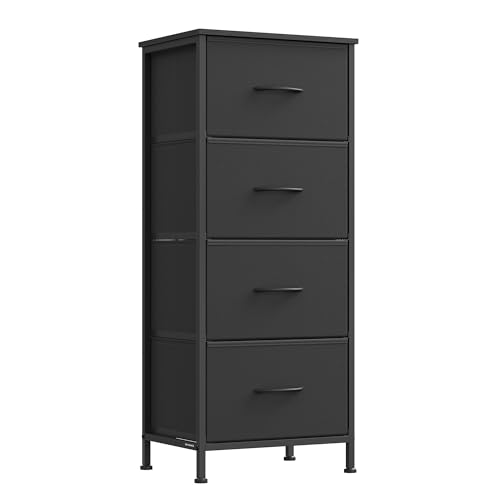
A storage bed places drawers or lift-up compartments directly beneath the mattress. This is the single most effective small bedroom solution because it absorbs the function of a dresser without adding floor space. Look for reinforced drawer runners and a solid base, since these beds carry more load than a simple frame.
If you need a queen footprint with maximum utility, explore queen storage beds. For tighter rooms, single beds with storage and mattress bundle the sleeping surface and storage in one purchase.
2. Small Single Beds for Small Rooms
A deliberately compact single bed is often the right answer for guest rooms, children's rooms, and studio apartments. The key is choosing a model with a supportive mattress rather than a thin folding pad. Browse small single beds for small rooms if space is the primary constraint.
Adults who want a single bed without compromising on comfort should look at single beds for adults with mattress, which are built with a sturdier frame and a thicker sleeping surface.
3. Daybeds and Trundle Beds
Daybeds serve as seating during the day and a bed at night, which makes them ideal for multi-purpose rooms. Trundle beds add a second sleeping surface without permanently occupying floor space. For guest-heavy households, a queen trundle bed for adults offers full-size comfort with a pull-out companion bed.
4. Sofa Beds and Convertible Seating
In studio apartments and home offices, a sofa bed removes the need for a separate guest room. The trade-off is that the mattress is usually thinner, so choose a model with a supportive foam core. Compare small sofa beds if the room must serve two purposes.
5. Platform and Low-Profile Frames
A low platform bed keeps sightlines open and makes a small room feel taller. Reclaimed wood platform frames are especially effective because they add warmth without visual bulk. See reclaimed wood platform beds for a durable, character-rich option.
Hidden Storage Strategies for Compact Bedrooms
Storage is where small bedrooms are won or lost. The goal is to move items off the floor and into vertical or built-in spaces.
Use the Bed Perimeter
Choose a slim bedside table with drawers instead of a flat-topped nightstand. A skinny bedside table with drawers fits into gaps as narrow as a foot while still holding a lamp, phone, and glasses. For a more traditional footprint, a small bedside table with drawers offers a balance between surface area and storage.
If you have a few extra inches, a bookshelf bedside table combines a shelf for books with a small tabletop. A rolling bedside table with drawers is useful when you need to move the table out of the way during the day.
Go Vertical
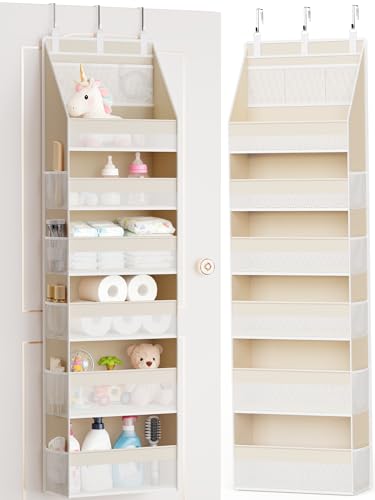
Wall-mounted shelves, floating nightstands, and tall narrow bookcases use height rather than floor area. Keep the top shelf for infrequently used items and the eye-level shelf for daily essentials.
Choose Multi-Function Furniture
A storage bench at the foot of the bed holds blankets and shoes. A small apartment furniture set often includes nesting tables that stack when not in use. If you are furnishing a studio, review small apartment furniture for coordinated pieces that share a compact footprint.
Consolidate with a Small Bedroom Storage Plan
Before buying anything, list every category of item that must live in the room: clothing, bedding, books, electronics, and personal care. Then assign each category to a specific container. A dedicated small bedroom storage plan prevents the slow accumulation of clutter that makes rooms feel smaller.
Compact Furniture and Decor That Opens Up the Room
Furniture choices beyond the bed matter just as much. The right pieces create visual breathing room; the wrong ones undo your progress.
Bedside Tables
Match the table width to the available gap. A small bedside table is the safest starting point. If you want symmetry, a small bedside table set of 2 keeps both sides balanced without taking up extra width.
Wood tones affect perceived space. A small light wood bedside table reflects light and makes the room feel airier, while a small dark wood bedside table adds grounding contrast in a room with pale walls.
Lighting
Replace floor lamps with wall-mounted reading lights or a reading bedside lamp that clamps or mounts to the wall. This frees the tabletop and removes a floor obstacle. A small bedside table lamp is a good alternative if you prefer a tabletop light but want to keep the footprint minimal.
Rugs
A rug that is too small makes a room feel choppy. Choose a rug that extends at least a few inches beyond the bed on the sides you walk on. The guide to rugs under beds explains how to size a rug for different bed dimensions.
Decor
Keep wall art to one or two large pieces rather than many small frames, and use light colors on the walls. If you want a cohesive look, the Scandinavian bedroom style is particularly well suited to small rooms because it favors light wood, white surfaces, and minimal clutter.
Layout and Flow: Making a Small Bedroom Feel Larger
Layout is free. You can improve a small bedroom significantly without buying anything by rearranging what you already have.
- Anchor the bed against the longest wall. This preserves the widest possible walking path.
- Leave one side of the bed open. If the room is too narrow for two side tables, use one slim table and a wall-mounted light on the other side.
- Keep the door swing clear. Never place a dresser or storage bench in the arc of the door.
- Float furniture only if the room allows it. In most small bedrooms, pushing furniture against walls is the better choice.
- Use mirrors opposite a window. A single well-placed mirror doubles the perceived light.
If you are starting from scratch, the small bedroom decor guide pairs well with this page and covers color palettes and finishing touches.
Quality Tiers Explained
To help you compare options without relying on numeric figures, this guide uses three consistent quality tiers:
- Essential tier — basic function, lighter frame materials, suitable for guest rooms and short-term use.
- Balanced tier — reinforced construction, smoother drawer mechanisms, and better mattress support; the right choice for daily use.
- Top-tier — heavy-duty frames, premium hardware, and long-term durability for primary bedrooms.
These tiers describe relative position within the category, not absolute figures. In practice, a balanced-tier storage bed usually offers smoother drawer runners and a sturdier base than an essential-tier model, while a top-tier frame adds reinforced joinery that holds up over years of daily use.
Solution Comparison Table
Use this table to match a solution to your room's main constraint.
| Solution | Best For | Space Reclaimed | Typical Tier |
|---|---|---|---|
| Storage bed with drawers | Primary bedrooms with no room for a dresser | Replaces a dresser footprint entirely | Balanced tier |
| Small single bed | Guest rooms and children's rooms | Frees wall space for a desk or shelf | Essential tier |
| Trundle bed | Rooms that occasionally host a second sleeper | Avoids a permanent second bed | Balanced tier |
| Daybed | Multi-purpose rooms and home offices | Combines seating and sleeping | Balanced tier |
| Small sofa bed | Studios and living rooms | Removes the need for a separate guest room | Essential tier |
| Slim bedside table | Narrow gaps beside the bed | Keeps the walking path clear | Essential tier |
| Wall-mounted lighting | Any small bedroom | Frees the tabletop and floor | Balanced tier |
| Low platform frame | Rooms with low ceilings or sloping walls | Keeps sightlines open | Top-tier |
Frequently Asked Questions
What is the best bed type for a small bedroom?
Storage beds and platform beds with built-in drawers are the most effective because they combine sleeping space with hidden storage. A small single bed or a compact double works well when floor space is limited. Trundle beds and daybeds with under-bed storage are strong options for rooms that serve more than one purpose.
How can I create storage in a small bedroom without adding furniture?
Use vertical space with wall-mounted shelves and floating nightstands, choose beds with built-in storage drawers, and pick a slim bedside table with drawers. A small bookshelf bedside table or a rolling bedside table with drawers adds function without occupying much floor area.
Do small bedroom solutions work for adults?
Yes. Single beds for adults with mattress, compact queen storage beds, and slim platform frames are designed for grown-up comfort. The key is measuring your room carefully and choosing furniture with a small footprint but full-size sleeping support.
What is the best layout for a small bedroom?
Place the bed against the longest wall or in a corner to free up floor space. Use a slim bedside table on one side and wall-mounted lighting to keep surfaces clear. Keep pathways at least two feet wide and favor multi-functional pieces like storage beds and narrow dressers.
Ready to Compare Space-Saving Beds?
Our recommended selection below focuses on compact beds, storage frames, and slim furniture chosen specifically for small bedrooms. Each listing includes key specifications so you can match a model to your measured room dimensions.
View Recommended Solutions