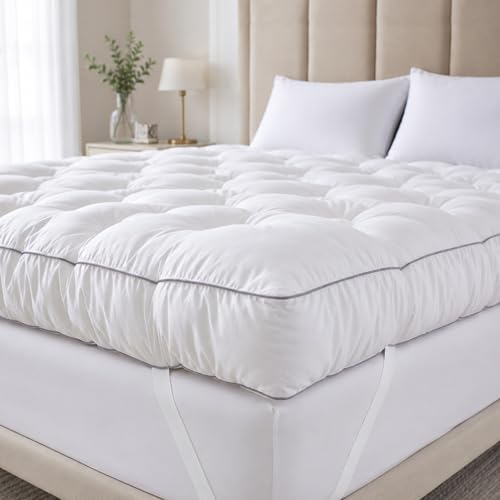
Memory Foam Mattress Toppers: Your Complete Guide to Smarter Sleep Comfort
Everything you need to know before upgrading your bed with a memory foam topper — from thickness and density to cooling technology and long-term care.
Why memory foam mattress toppers deserve your attention: If your mattress feels too firm, too worn, or simply not supportive enough, a quality topper can reshape your sleep experience without requiring a full mattress replacement. This guide walks you through the exact factors that separate an entry-level topper from a luxury-tier one, so you can make a confident, informed decision.
What Is a Memory Foam Mattress Topper?
A memory foam mattress topper is a layer of viscoelastic polyurethane foam designed to sit on top of your existing mattress. Unlike a mattress pad — which is typically a thin, quilted cover — a topper is thick enough (usually between 2 and 4 inches) to meaningfully change how your bed feels. The foam responds to body heat and pressure, gradually contouring to your shape and then returning to its original form when you get up.
This pressure-relieving quality is why memory foam toppers are frequently recommended for people who wake up with stiffness in the shoulders, hips, or lower back. They are also a practical solution for guest beds, dorm rooms, and rental apartments where replacing the entire mattress is not feasible.
It's worth noting that a topper is not a substitute for a structurally failing mattress. If your mattress has deep sagging, broken springs, or visible indentations, a topper will only mask the problem temporarily. For a deeper dive into when replacement makes more sense, see our complete mattress buying guide.
Key Benefits for Different Sleepers
Memory foam toppers are not a one-size-fits-all solution. Their value depends heavily on your sleep position, body weight, and the current condition of your mattress. Here is how different sleepers typically benefit:
Side Sleepers
Side sleepers place concentrated pressure on the shoulders and hips. A medium-soft memory foam topper (typically 2 to 3 inches) allows these pressure points to sink in slightly, reducing the chance of waking up with numbness or soreness. Pairing a topper with a supportive memory foam pillow creates a cohesive contouring system for the upper body.
Back and Stomach Sleepers
These sleepers generally need more surface support to keep the spine neutral. A firmer, higher-density topper (3 inches or more) prevents excessive sinkage while still softening a mattress that feels overly rigid. If you already sleep on a medium-firm surface, a thinner 2-inch topper may be sufficient.
Hot Sleepers
Traditional memory foam retains heat, which is a common complaint. Modern toppers increasingly incorporate gel infusion, graphite particles, or perforated airflow channels to dissipate warmth. If overheating is your primary concern, prioritize toppers explicitly designed with cooling technology — we cover this in detail in the cooling section below.
Guest Bed and Dorm Room Users
A topper is one of the most efficient ways to make an infrequently used bed comfortable without committing to a new mattress. For folding and storage-friendly options, explore memory foam guest beds and folding designs that pair well with a removable topper.
Thickness: Finding Your Ideal Profile
Thickness is the single most impactful specification when choosing a memory foam topper. Too thin and you won't feel a difference; too thick and you may lose the underlying support your mattress provides.
- 2 inches: Best for sleepers who only need light softening or who already sleep on a comfortable mattress. This profile adds subtle cushioning without dramatically altering the feel of your bed. It's also a practical choice for twin bed toppers where space and storage are limited.
- 3 inches: The most versatile option. A 3-inch topper delivers noticeable pressure relief while preserving the structural support of the mattress beneath. This is the sweet spot for most side and combination sleepers.
- 4 inches and above: Best for sleepers who need significant contouring, such as those recovering from minor injuries or sleeping on a very firm mattress. Be aware that very thick toppers can feel unstable for stomach sleepers.
As a general rule, the firmer your current mattress, the thicker your topper can be. Conversely, if your mattress is already soft, a thinner topper prevents excessive sinkage. For a broader comparison of topper types beyond memory foam, visit our mattress toppers overview.
Density and Firmness Explained
Density refers to the weight of the foam per cubic foot. It is not the same as firmness, though the two are related. Higher-density foam is more durable and resists sagging over time, while lower-density foam feels softer initially but may compress permanently after extended use.
Density Tiers
- Entry-level density (low): Softer feel, shorter lifespan. Suitable for occasional use in guest rooms or for renters who expect to move frequently.
- Mid-range density: A balance of durability and comfort. This is the most common specification for everyday sleepers and offers good value for its tier.
- High-end density: Heavier, more resilient foam that maintains its shape for years. A worthwhile investment for primary beds used nightly.
- Luxury density: The densest foams, often combined with advanced cooling or breathable layers. These toppers are designed for long-term use and provide the most consistent contouring over time.
Firmness Descriptors
Firmness is subjective, but most toppers fall into three broad categories: soft (plush), medium, and firm. Medium firmness is the safest starting point if you are unsure. If you already know you prefer a specific feel, our guides on medium-firm mattresses and medium mattresses can help you calibrate your expectation before selecting a topper.
Cooling and Breathability Features
Heat retention is the most frequently cited drawback of memory foam. Fortunately, manufacturers have developed several approaches to address this:
- Gel infusion: Gel beads or swirls are mixed into the foam to draw heat away from the body. This is one of the most common cooling methods and is effective in mid-range to premium tiers.
- Graphite and charcoal infusion: These materials are believed to help dissipate heat and reduce odors. They are often found in higher-end toppers.
- Perforated or open-cell foam: Tiny channels or an open-cell structure allow air to circulate more freely, improving breathability without compromising the contouring feel.
- Breathable covers: A removable, moisture-wicking cover can significantly improve the overall sleeping temperature. Look for covers that are machine washable for easier maintenance.
If you sleep hot and are also considering a full mattress upgrade, our guide to memory foam mattresses covers cooling features at the mattress level. For most sleepers, however, a well-designed cooling topper provides noticeable relief at a fraction of the footprint of a new mattress.
Tier Comparison at a Glance
Use this table to understand how memory foam toppers differ across market tiers. Remember that the best choice depends on your sleep habits and how often the bed is used.
| Tier | Typical Thickness | Density Feel | Cooling Features | Best For |
|---|---|---|---|---|
| Entry-Level | 2 inches | Softer, lower density | Minimal; basic cover | Guest beds, light softening, temporary use |
| Mid-Range | 2–3 inches | Medium density, balanced support | Gel infusion or perforated foam | Everyday sleepers, side and combination sleepers |
| Premium | 3 inches | High density, durable contouring | Advanced gel, graphite, breathable cover | Primary beds, hot sleepers, long-term use |
| Luxury | 3–4 inches | Luxury density, flagship contouring | Multi-layer cooling systems | Maximum pressure relief, premium sleep setup |
Entry-level toppers are generally sufficient for occasional use, while mid-range and premium tiers offer better durability and temperature regulation for nightly sleep. Luxury-tier toppers are designed for sleepers who want the most refined contouring experience and are willing to invest in a long-term solution.
How to Choose the Right Topper
Before you commit, run through this practical checklist. It will help you avoid common mistakes and narrow your options quickly.
Pre-Purchase Checklist
- Measure your mattress: Confirm the exact dimensions using a mattress size chart. A topper that is too small will slide and bunch.
- Assess your mattress condition: If the mattress is sagging or has broken support, a topper will not fix the underlying issue.
- Identify your sleep position: Side sleepers benefit from medium-soft; back and stomach sleepers generally need firmer support.
- Decide on thickness: 2 inches for light softening, 3 inches for balanced comfort, 4 inches for maximum contouring.
- Check cooling needs: If you overheat at night, prioritize gel-infused or perforated designs.
- Confirm the cover is removable and washable: This significantly extends the topper's lifespan and hygiene.
- Look for a trial or return policy: Even the best-researched topper may not suit your body; a trial period reduces risk.
- Verify compatibility with your bed frame: Deep mattresses and adjustable frames may require specific topper fits.
If you are also evaluating a full mattress replacement, compare your options using our mattress comparison guide and check whether a topper is a more efficient intermediate step. For beds that need additional surface protection, pair your topper with a quality mattress protector or a mattress pad to extend its life.
Sleepers with specific pain concerns should read our guide on mattresses for back pain — the principles of support and alignment apply equally to topper selection. And if you are outfitting a guest room, you may also find value in exploring memory foam sofa beds for flexible sleeping arrangements.
Care and Maintenance Tips
A memory foam topper can last several years with proper care. Follow these practices to protect your investment:
- Use a washable cover: Wash the cover every few weeks according to the manufacturer's instructions. This prevents dust mites, sweat, and oils from degrading the foam.
- Rotate the topper: Rotate head-to-foot every three to six months to distribute wear evenly.
- Avoid direct sunlight: UV exposure can break down foam over time. Keep the topper out of direct sun when airing it out.
- Air it out periodically: Remove the topper and let it breathe in a well-ventilated room for a few hours every few months.
- Do not machine wash the foam: Memory foam should never be submerged in water. Spot clean only with a damp cloth and mild detergent.
- Use a mattress protector underneath: A mattress encasement adds an extra barrier against spills and allergens.
For more extensive maintenance guidance covering all bedding components, see our warranty and care guide. When the topper eventually loses its resilience, replacing it is generally more practical than attempting repairs — and it remains a far more efficient step than replacing the entire mattress.
Ready to Upgrade Your Sleep Surface?
Explore our curated selection of memory foam mattress toppers and compare features side by side.
View Recommended ToppersFrequently Asked Questions
With regular use and proper care, a mid-range to premium memory foam topper typically lasts three to five years. Entry-level toppers may compress sooner, especially if used nightly. Rotating the topper and using a washable cover significantly extends its lifespan.
No. A topper can temporarily soften the surface feel, but it cannot correct structural damage such as broken springs or deep indentations. If your mattress is sagging, it is likely time to consider replacement — see our mattress buying guide for guidance on evaluating mattress condition.
Traditional memory foam can retain heat, but modern toppers often include gel infusion, graphite, or perforated airflow channels to improve temperature regulation. If overheating is a concern, choose a topper explicitly designed with cooling features and pair it with breathable bedding.
Side sleepers typically benefit most from a 2- to 3-inch topper with medium-soft firmness. This provides enough cushioning to relieve shoulder and hip pressure without causing excessive sinkage. A 3-inch topper is generally the most versatile choice for combination sleepers who switch positions during the night.
Yes, most memory foam toppers are flexible enough to work with adjustable bed frames. However, check the product specifications to confirm compatibility, and ensure the topper does not slide when the frame is articulated. A topper with a textured or non-slip base is a safer choice.
Never machine wash the foam itself. Spot clean with a damp cloth and mild detergent, then air dry completely. The removable cover can typically be machine washed — always follow the manufacturer's care label. Using a mattress protector or encasement underneath reduces the need for frequent deep cleaning.
Final takeaway: A memory foam mattress topper is one of the most practical upgrades you can make to your sleep setup. Focus on thickness, density, and cooling features, match them to your sleep position, and choose a tier that reflects how often the bed is used. With the right topper and proper care, you can enjoy years of improved comfort — without the expense and disruption of replacing your entire mattress.