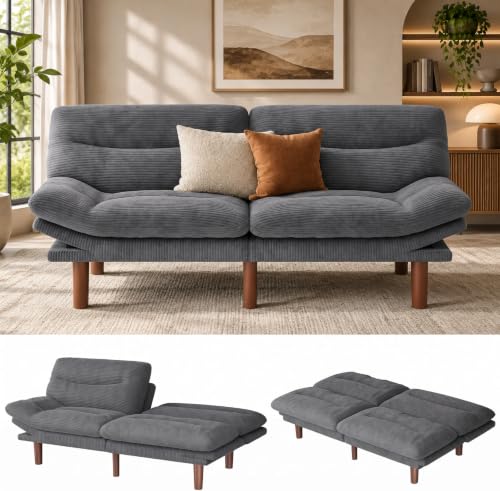
Most Comfortable Sofa Beds: A Complete Buying Guide
Find a sofa bed that truly supports restful sleep and everyday lounging. Learn how comfort tiers, mechanisms, and materials affect your choice before you buy.
Why comfort matters most: A sofa bed is a dual-purpose investment. When the seating feels firm and the mattress feels thin, guests notice immediately and daily lounging loses its appeal. This guide helps you identify the most comfortable sofa beds by focusing on what actually determines comfort: mattress construction, frame engineering, and fabric quality, not marketing labels.
What Makes a Sofa Bed Genuinely Comfortable?
Comfort in a sofa bed is not a single feature. It is the combined result of several engineering decisions. Buyers researching this category typically compare products on the following dimensions:
Mattress Thickness & Support
The mattress inside a sofa bed determines overnight comfort. Mid-range and premium models typically include mattresses that are thicker and denser than entry-level offerings, which reduces the chance of feeling the support bars underneath.
Mechanism Quality
Pull-out, click-clack, and fold-out mechanisms all affect how flat the sleeping surface becomes. A well-engineered mechanism removes the central bar sensation that plagues poorly designed convertible sofas.
Seat Cushion Density
High-resilience foam cushions retain their shape over years of daily seating. Lower-density foam compresses quickly, leaving a sagging seat that undermines both sitting and sleeping comfort.
Frame Construction
Solid hardwood or reinforced metal frames distribute weight evenly and prevent squeaks. Heavy-duty frames are especially important for larger sofa beds and frequent guest use.
Fabric Breathability
Natural fibers and performance weaves regulate temperature better than synthetic covers. Breathable upholstery keeps the sleeping surface comfortable through the night.
Backrest & Armrest Ergonomics
When used as seating, back support and armrest height determine how long you can lounge comfortably. Adjustable backrests offer the most versatility.
Sofa Bed Comfort Tiers Explained
Since specifications vary widely, the most practical way to compare sofa beds is by comfort tier. The table below outlines what each tier typically delivers so you can match a product to your intended use.
| Tier | Typical Construction | Best For | Comfort Outlook |
|---|---|---|---|
| Entry-Level | Thinner foam mattress, basic metal frame, simpler folding mechanism | Occasional guest use, light lounging | Acceptable for short stays; suited to infrequent overnight use |
| Mid-Range | Denser foam or pocket-spring mattress, reinforced frame, smoother mechanism | Regular guest room use, everyday seating | Balanced tier delivers solid comfort for most households |
| Premium | Thick high-density mattress, hardwood or heavy-duty metal frame, precision mechanism | Frequent overnight guests, primary seating in living areas | High-end tier offers a sleep surface close to a standard bed |
| Luxury | Layered memory foam or hybrid mattress, commercial-grade frame, engineered no-bar mechanism | Daily sleeping, guest rooms treated as permanent bedrooms | Flagship tier provides near-traditional-bed comfort and durability |
When comparing products across tiers, remember that a mid-range model usually offers a noticeably flatter sleeping surface and a smoother pull-out action than entry-level designs. Stepping up to premium or luxury tiers adds mattress thickness, frame rigidity, and fabric quality that extend both comfort and lifespan.
Choosing the Right Mechanism Type
The mechanism is the heart of any sofa bed. It determines how easy the conversion is, how flat the sleeping surface becomes, and how long the product lasts. Here is how the main types compare:
- Pull-out (sleeper sofa): Extends outward with a folding mattress. Premium versions include anti-tip bars and memory-foam mattresses. Best for guests who need a flatter, more bed-like surface.
- Click-clack: Folds flat with a simple hinge action. Lighter and easier to move, but the sleeping surface is usually firmer. Suited to occasional use and smaller rooms.
- Fold-out (futon-style): Opens from a seated position into a flat bed. Simpler construction; comfort depends heavily on mattress thickness.
- Ottoman or chair-bed conversions: Compact designs for studios and guest corners. Often entry-level to mid-range tier; ideal when space is the primary constraint.
For buyers who want the most comfortable sleep experience, pull-out mechanisms in the mid-range tier and above generally offer the flattest, most supportive surface. If space is limited, explore compact options such as those covered in our guide to comfortable sofa beds for small spaces.
Mattress Types Inside Sofa Beds
Comfort often comes down to the mattress inside the frame. Most sofa beds use one of three mattress constructions:
Foam Mattresses
Lightweight and foldable, foam is the most common choice. High-density foam in mid-range and premium tiers provides better support and resists compression over time.
Memory Foam Mattresses
Found in premium and luxury tiers, memory foam contours to the body and relieves pressure points. It adds weight and thickness, so it works best in robust pull-out frames.
Pocket-Spring / Hybrid Mattresses
These combine springs with foam layers for a more traditional bed feel. Found in high-end and luxury tiers, they offer the most familiar sleep experience for frequent guests.
If your sofa bed will be used nightly, prioritize a model with a thicker mattress and a reinforced mechanism. For occasional use, a well-constructed foam mattress is usually sufficient.
Matching Size and Space to Your Room
Sofa beds range from compact loveseats to full-size sleeper sofas. Measure your room carefully before choosing:
- Seating dimensions: Confirm the sofa fits your wall without blocking walkways or doors.
- Extended footprint: A pull-out sofa needs clear space in front of it, often equivalent to the sofa's depth plus the mattress length. Click-clack models extend less.
- Sleeping surface size: Twin and full sizes suit single guests; queen-size sofa beds accommodate couples more comfortably.
- Traffic patterns: In open-plan living areas, choose a mechanism that extends away from high-traffic zones.
For rooms where space is genuinely limited, a Murphy-style or ottoman conversion may pair better with your layout. Our collection of Murphy sofa beds explains how wall-mounted designs combine seating and sleeping without a permanent footprint. If a contemporary living room is the setting, see our guide to modern contemporary sofa beds for styles that match clean-lined interiors.
Fabric, Durability, and Long-Term Comfort
Upholstery affects both comfort and longevity. Durable construction begins with the right fabric for your household:
- Performance weaves: Stain-resistant and tightly woven fabrics resist spills and everyday wear, ideal for family living rooms.
- Natural fibers: Cotton and linen blends breathe well and feel comfortable against the skin, though they need more care.
- Leather and faux leather: Easy to wipe clean and long-wearing, but less breathable; better suited to cooler climates.
- Removable covers: A practical feature that extends the life of the sofa bed and keeps the sleeping surface fresh.
Whichever fabric you select, check for reinforced stitching and high-resilience foam cushions. These details separate products that stay comfortable for years from those that flatten within months.
Where Will Your Sofa Bed Live?
The room context guides both style and function. A guest room prioritizes sleeping comfort, while a living room prioritizes everyday seating. If the sofa bed shares space with a bedroom aesthetic, coordinate it with the surrounding decor. Our guides to modern bedroom design and minimalist bedroom styling show how seating pieces can blend into restful interiors. For primary bedrooms that occasionally host guests, pair the sofa bed with complementary accents such as a modern bedside table to keep the room cohesive.
If the sofa bed will serve as seating in a multi-purpose room, consider how it interacts with storage and lighting. A panel bed in an adjoining room, for example, benefits from a consistent finish palette that ties the spaces together.
Pre-Purchase Checklist
Before committing to any sofa bed, verify these points to avoid disappointment:
- Sit on the sofa in-store or review detailed seating-comfort feedback from verified buyers.
- Confirm the mattress thickness and density rating, not just the overall sofa dimensions.
- Check the mechanism warranty and the frame load rating.
- Measure the extended footprint against your room layout.
- Look for removable, washable covers if the sofa bed serves families or pets.
- Read the return policy and any trial period terms before purchase.
Ready to Compare Your Options?
Browse our curated selection of highly rated sofa beds and compare comfort tiers, mechanisms, and features side by side.
Explore Sofa Bed OptionsFrequently Asked Questions
Are sofa beds comfortable for sleeping every night?
Premium and luxury tier sofa beds with thick memory-foam or hybrid mattresses can support nightly sleeping. Entry-level models are better suited to occasional guest use, as their thinner mattresses may not provide adequate support over time.
What is the most comfortable sofa bed mechanism?
Pull-out mechanisms with anti-tip bars and a folding mattress generally deliver the flattest and most supportive sleeping surface. Click-clack designs are convenient but usually feel firmer.
How thick should a sofa bed mattress be for good comfort?
Thicker mattresses, typically found in mid-range tiers and above, reduce the chance of feeling the frame bars beneath you. Dense foam and memory foam models provide better support than thin entry-level pads.
Can I use a mattress topper to improve sofa bed comfort?
Yes. A memory foam or quilted mattress topper can significantly improve the feel of a mid-range sofa bed and extend its usable comfort. Choose a topper with a secure base to prevent shifting during conversion.
Do comfortable sofa beds work in small apartments?
Absolutely. Compact pull-out and ottoman designs deliver strong comfort in limited footprints. Measure the extended footprint carefully and consider wall-adjacent placement to preserve walkways.