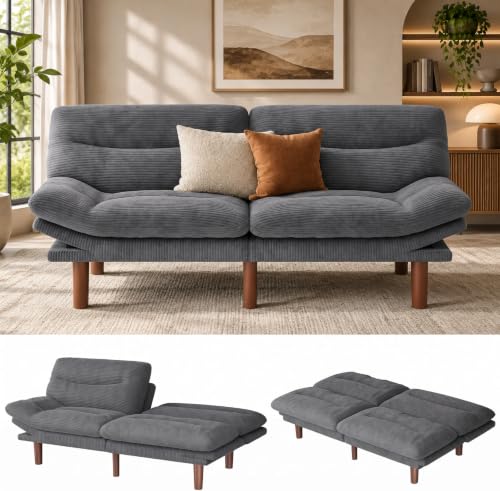
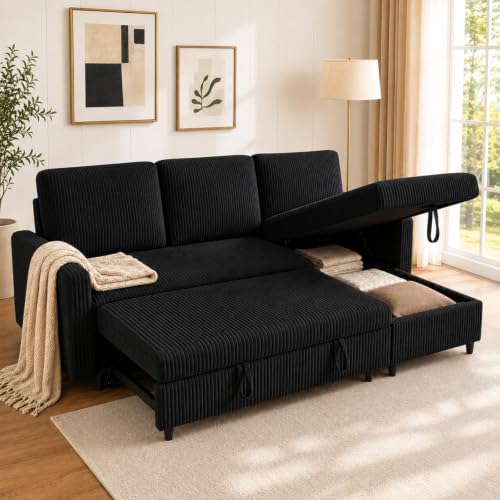
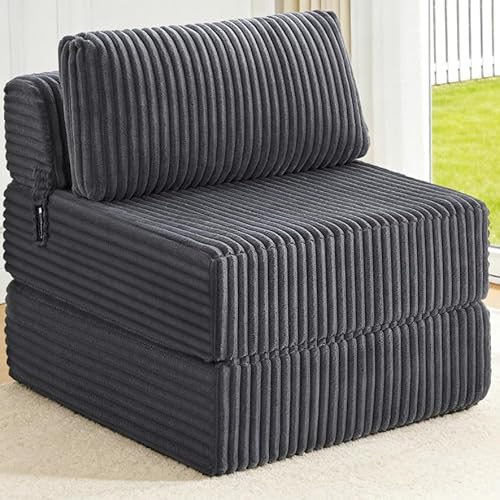
Most Comfortable Sofa Beds for Small Spaces
Your complete research guide to finding a dual-purpose sleeper that keeps guests rested and your compact room feeling spacious. Understand frames, mattresses, sizing, and setup before you decide.
Explore Top PicksWhy this guide exists: If you live in a studio, a guest room, or a compact apartment, a sofa bed has to do two jobs well — look good as a seat and sleep well as a bed. Most buyers already know they want a sleeper sofa; the real questions are which mechanism fits the room, which mattress type supports overnight sleep, and how to avoid the classic "bar in the back" problem. This guide answers those questions in plain language.
Quick Summary: What Matters Most in a Compact Sofa Bed
- Frame and mechanism: A solid metal or kiln-dried hardwood frame with a smooth pull-out or click-clack mechanism determines long-term durability and ease of daily use.
- Mattress type: Memory foam and hybrid cores outperform traditional innerspring in compact sleeper sofas because they conform to the body and fold more predictably.
- Footprint and clearance: Measure the open footprint, not only the closed footprint. Pull-out models need clear floor space in front of the sofa.
- Support surface: A continuous flat platform or a well-tensioned deck prevents sagging and the familiar mid-bar discomfort.
- Everyday seating quality: Since most small-space buyers use the sofa daily, seat depth, cushion density, and upholstery durability matter as much as the sleep surface.
What to Look For: Key Features of Comfortable Small-Space Sofa Beds
Comfort in a sofa bed is not a single feature — it is the result of how the frame, mattress, and mechanism work together. When you evaluate models, focus on the following categories.
1. Frame Construction and Mechanism Type
The frame is the skeleton of the sofa bed. A heavy-duty metal frame or a solid wood frame with reinforced joints will hold its shape through repeated opening and closing. Pay attention to the mechanism type:
- Pull-out (trundle-style) mechanism: Slides out on rails and typically includes a dedicated mattress. It is the most comfortable option for overnight sleep because the mattress is purpose-built and the sleeping surface is flat.
- Click-clack mechanism: Folds flat in one motion. It is efficient in tight rooms but usually relies on the seat cushions as the sleep surface, so comfort depends heavily on cushion density.
- Fold-out (bi-fold) mechanism: Opens into a larger bed and often includes a thin mattress layer. It offers good support when the frame is reinforced and the mattress is at least mid-range in quality.
If you are also considering a dedicated daybed as an alternative, our guide to mid-century day beds explains how that format compares for guest use.
2. Mattress Type and Thickness
The mattress is where comfort is won or lost. In compact sofa beds, look for a memory foam or hybrid mattress with a thickness between 4.5 and 6 inches. Thinner mattresses feel the frame underneath; thicker mattresses can prevent the mechanism from folding correctly. A high-density foam core supports the body better than a low-density foam layer, and a breathable cover helps regulate temperature.
If you want to understand how mattress cores differ across categories, our pillow-top mattress guide covers the construction layers that influence pressure relief.
3. Sleeping Surface and Support
A comfortable sofa bed provides a continuous, flat sleeping surface. Look for models with a rigid deck or a well-tensioned platform. Avoid designs where the mattress rests on thin crossbars, since those create pressure points. If the model uses a fold-out deck, check that the hinge area is padded or covered so it does not dig into the back.
4. Everyday Seating Quality
Because small-space buyers use the sofa every day, evaluate the seating experience: seat depth, cushion density, and upholstery. High-resilience foam cushions retain their shape longer than low-density foam. Performance fabrics resist wear and are easier to clean. A sofa bed that feels uncomfortable as a sofa is a poor investment, even if the sleep surface is acceptable.
5. Dimensions and Room Fit
Measure three dimensions before buying: the closed footprint, the open footprint, and the clearance needed for the mechanism. Pull-out models require clear floor space in front of the sofa. Click-clack models need space for the back to recline. Also confirm the mattress size when open — a compact sofa bed may open to a twin or a full size, which matters for guest comfort.
Comparison: Sofa Bed Types for Small Spaces
| Tier / Type | Best For | Comfort Profile | Space Requirement |
|---|---|---|---|
| Entry-level click-clack | Occasional guests, studio apartments | Firm, cushion-based sleep surface | Minimal; opens in place |
| Mid-range pull-out with foam mattress | Regular guest use, small spare rooms | Balanced support with flat deck | Moderate; needs clear floor in front |
| Premium hybrid sleeper sofa | Frequent overnight use, multi-use living rooms | High comfort; conforming hybrid core | Moderate to generous; check open footprint |
| Luxury fold-out with air-over-foam | Primary guest bed, long stays | Near-traditional bed comfort | Largest; requires dedicated space |
Tier labels describe relative market positioning and construction quality. They are not tied to any specific figure and remain stable over time.
How to Make Any Sofa Bed More Comfortable
Even a well-chosen sofa bed benefits from smart setup. These practical steps improve guest comfort without changing the furniture:
- Add a mattress topper: A 2-inch memory foam or latex topper smooths out hinge lines and adds pressure relief.
- Use breathable bedding: Cotton or linen sheets and a lightweight duvet prevent overheating on foam surfaces.
- Level the sleeping surface: Confirm the mechanism locks fully flat before guests use it.
- Provide proper pillows: A supportive pillow matched to sleep position makes a noticeable difference. Our pillow comparison guide helps match pillows to sleepers.
- Protect the mattress: A waterproof protector extends mattress life and keeps the sleep surface hygienic.
Maintenance and Longevity
A sofa bed in a small space is used often, so maintenance matters. Vacuum under the seat and along the mechanism monthly to prevent dust buildup. Tighten frame bolts every few months, especially on pull-out models. If the mattress is removable, rotate it periodically to distribute wear. For fabric sofas, spot-clean spills promptly and follow the upholstery care code. These habits keep the mechanism smooth and the sleep surface supportive for years.
Who Should Buy a Compact Sofa Bed?
This category suits several buyer profiles:
- Studio and small-apartment residents who need a seating area that converts for guests.
- Homeowners with a small guest room who want a dual-purpose room that serves as an office or lounge.
- Frequent hosts who want a comfortable overnight option without dedicating a full bedroom.
- Renters who move often and need furniture that adapts to different room sizes.
If your room is tight but you prefer a dedicated sleep surface, a Murphy bed for small rooms is worth comparing as an alternative format.
Common Buying Mistakes to Avoid
- Skipping the open-footprint measurement: The sofa may fit closed but block a doorway when open.
- Choosing thin foam only: Very thin mattresses feel the frame and reduce sleep quality.
- Ignoring seat comfort: A sofa bed is a sofa first for most small-space buyers.
- Overlooking mechanism quality: A stiff or flimsy mechanism wears out quickly with daily use.
- Forgetting bedding storage: Plan where sheets and pillows will live in a compact room.
Frequently Asked Questions
What is the most comfortable type of sofa bed for a small space?
A mid-range or premium sofa bed with a memory foam or hybrid mattress and a sturdy metal or kiln-dried hardwood frame offers the best balance of comfort, durability, and compact footprint for small spaces.
How can I make a sofa bed more comfortable for guests?
Add a mattress topper, use breathable bedding, ensure the frame is fully flat, and choose a model with a supportive mattress core. Proper setup and quality linens significantly improve guest comfort.
Do sofa beds for small spaces require special assembly or maintenance?
Most compact sofa beds ship partially assembled. Regular maintenance includes vacuuming under the seat, tightening frame bolts, and rotating or flipping the mattress if the design allows.
What is the best mattress thickness for a compact sofa bed?
A mattress between 4.5 and 6 inches is ideal for compact sofa beds. It provides enough support for overnight sleep without preventing the mechanism from folding correctly.
Ready to Compare Your Options?
Use the recommendations below to review models that match the criteria in this guide. Check dimensions, mattress type, and mechanism before you decide.
View Recommended Models