Mid Century Day Beds: The Complete Buying Guide
Explore the timeless appeal of mid century modern day beds. Learn about styles, materials, sizing, and expert tips to choose the perfect retro-inspired centerpiece for your living space or guest room.
START EXPLORINGWhat You'll Learn in This Guide
What Is a Mid Century Day Bed?
A mid century day bed is a versatile piece of furniture that blends the functionality of a sofa with the comfort of a bed. Rooted in the design philosophy of the mid-20th century, these day beds are characterized by clean lines, organic curves, tapered legs, and a minimalist aesthetic that prioritizes both form and function. They serve as an elegant solution for guest rooms, home offices, studio apartments, and living areas where space is at a premium.
The mid century modern movement, which flourished from the mid-1940s through the late 1960s, introduced iconic furniture designs that remain popular today. Day beds from this era often feature streamlined silhouettes, splayed wooden legs, and a careful balance between geometric structure and organic warmth. Whether you are furnishing a small bedroom or looking for a stylish seating solution that doubles as a sleeping space, a mid century day bed offers a perfect combination of retro charm and modern practicality.
Unlike traditional trundle bed beds or bulky sofa beds for sale, mid century day beds are designed to stand alone as a statement piece. They typically feature a backrest along one or two sides and an open front, making them ideal for placement against a wall or as a room divider. Their elevated profile and exposed wooden framework set them apart from contemporary upholstered day beds, giving them a distinctive vintage character that pairs beautifully with both modern and eclectic interiors.
Why Choose a Mid Century Day Bed?
Mid century day beds offer a unique blend of aesthetic appeal and practical functionality that makes them a worthwhile investment for many homes. Here are the key reasons why this furniture style continues to captivate homeowners and interior designers alike.
Timeless Design Appeal
The clean lines and organic forms of mid century design have endured for decades. These day beds integrate seamlessly with contemporary, Scandinavian, and transitional interiors without feeling dated or out of place.
Space-Saving Versatility
Functioning as both seating and sleeping space, a mid century day bed is ideal for studio apartments, guest rooms, and home offices. It maximizes utility without sacrificing style or comfort.
Exceptional Craftsmanship
Many mid century day beds feature solid wood construction with techniques like dovetail joinery and hand-rubbed finishes. These methods create furniture that can last for generations with proper care.
Comfort That Adapts
With the right mattresses or mattress toppers, a day bed transitions effortlessly from a lounging spot during the day to a comfortable sleeping surface at night.
Design Flexibility
Available in a wide range of wood finishes, upholstery options, and frame configurations, these day beds can be tailored to match your existing decor or serve as a striking focal point.
Long-Term Investment
Quality mid century furniture holds its appeal over time. A well-constructed day bed is a long-term investment that remains functional and stylish through changing design trends.
Key Styles and Design Elements
Mid century day beds come in several distinct styles, each with its own character and visual signature. Understanding these variations will help you identify the design that best suits your space and personal taste.
1. Classic Wood Frame Day Beds
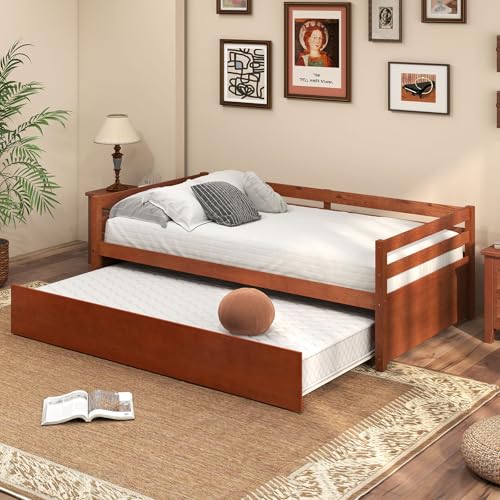
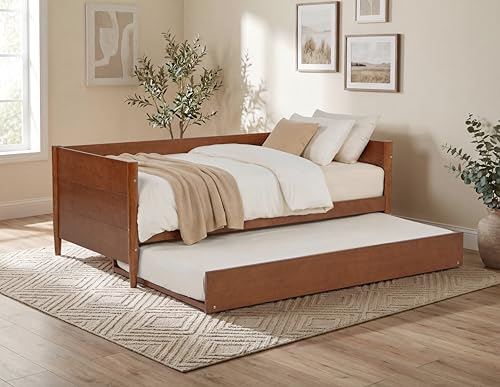
The most recognizable style features a solid wood frame with tapered legs, a slatted backrest, and an open-front design. These day beds often use walnut, teak, or oak and showcase the natural grain of the wood. The frame is typically raised off the floor, creating a lightweight, airy appearance that is perfect for smaller rooms.
2. Upholstered Mid Century Day Beds
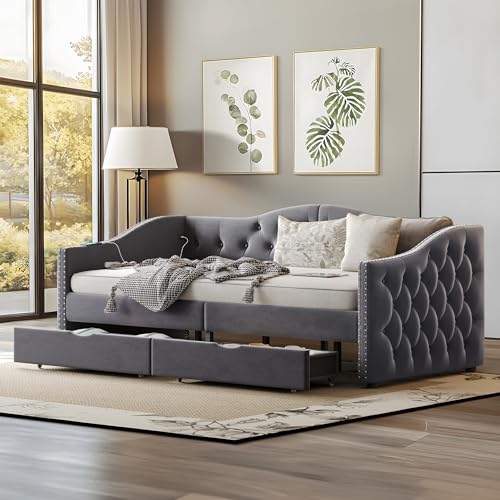
These designs combine a wooden frame with upholstered backrests and side panels in fabrics like bouclé, linen, or velvet. The upholstery adds softness and warmth while maintaining the clean lines characteristic of mid century design. This style works particularly well in living areas where comfort is a priority.
3. Day Beds with Integrated Storage
Some mid century day beds incorporate under-bed storage in the form of drawers or open shelving. These designs are excellent for maximizing space in compact rooms. If storage is a priority for your space, explore options like storage queen beds or consider how a day bed with drawers can reduce clutter.
4. Sofa-Style Day Beds
Blurring the line between seating and sleeping furniture, these day beds feature a more pronounced backrest and armrests that mimic a traditional sofa. They are ideal for rooms where the day bed will primarily serve as seating during the day and occasional sleeping space for guests.
5. Platform and Low-Profile Day Beds
Inspired by the minimalist tendencies of mid century design, platform day beds sit low to the ground and emphasize horizontal lines. These designs often pair a simple wooden base with a single mattress and minimal back support, creating a serene, grounded aesthetic.
Materials and Construction
The materials used in a mid century day bed significantly impact its durability, visual appeal, and overall quality. Understanding the differences between construction methods will help you evaluate options and make an informed decision.
Wood Types
Walnut is the most iconic wood associated with mid century modern furniture. Its rich, dark tones and straight grain create a sophisticated look that ages beautifully. Teak is another classic choice, known for its warm golden color and natural resistance to moisture. Oak offers a lighter, more casual aesthetic and is often used in Scandinavian-influenced designs. Cherry and ash are also common, each bringing distinct grain patterns and color tones to the piece.
Upholstery Options
When selecting an upholstered mid century day bed, pay attention to both the fabric and the filling. High-quality designs use dense foam with a supportive core, while fabrics range from durable performance weaves to luxurious natural fibers. Bouclé and velvet add texture and warmth, while linen and cotton offer a more relaxed, breathable feel. For easy maintenance, consider removable covers or performance fabrics that resist stains.
Joinery and Frame Construction
Premium mid century day beds often feature mortise-and-tenon joinery, dovetail drawers, and solid wood slats rather than plywood or particle board. These construction methods create furniture that is both structurally sound and visually refined. When evaluating a day bed, look for reinforced corner blocks, smooth sanded edges, and a finish that enhances rather than obscures the natural wood grain.
Mattress Compatibility
Most mid century day beds are designed to accommodate a standard twin or full-size mattress. Some models work with a queen beds for sale configuration for added sleeping space. If you plan to use the day bed primarily for sleeping, invest in a supportive mattress that matches the frame dimensions. A memory foam mattresses can provide excellent comfort for occasional overnight guests.
Sizing and Space Planning
Choosing the right size for your mid century day bed is essential to ensure it fits comfortably in your space and meets your functional needs. Day beds are typically available in twin, full, and queen sizes, with twin being the most common for seating-focused arrangements.
| Size | Typical Dimensions | Best For | Space Requirement |
|---|---|---|---|
| Twin Day Bed | Approximately 39" x 75" | Small rooms, home offices, reading nooks | Compact footprint; fits along a single wall |
| Full Day Bed | Approximately 54" x 75" | Guest rooms, studio apartments, multi-use spaces | Moderate footprint; allows comfortable seating for two |
| Queen Day Bed | Approximately 60" x 80" | Primary guest suites, larger living areas | Generous footprint; requires significant wall space |
When planning your space, consider the room's traffic flow and the day bed's placement relative to doors, windows, and other furniture. A twin day bed works well in narrow rooms, while a full or queen day bed can anchor a larger space. If you are furnishing a small bedroom, explore our guide to small bedroom decor for additional layout tips. Pairing your day bed with a small bedside table or a narrow bedside table with storage can complete the arrangement without overwhelming the room.
Quality Tiers Explained
To help you navigate the market without relying on specific figures, we categorize mid century day beds into three quality tiers. These descriptors reflect relative market positioning, construction quality, and material choices rather than absolute figures.
Essential Tier
Entry-level mid century day beds typically feature veneered wood surfaces, simpler joinery, and lighter frame construction. They are a solid choice for occasional use, temporary setups, or those exploring the style for the first time. While they may not have the heft of higher tiers, well-specified options in this category can offer good value for their class.
Balanced Tier
Mid-range day beds represent the sweet spot for most buyers. They often use solid wood in key areas, feature improved joinery, and offer a wider range of finishes and upholstery options. Construction is more robust, and the overall design is more refined, making them suitable for daily use in living areas and guest rooms.
Top-Tier
Premium mid century day beds are crafted from solid hardwoods like walnut or teak, feature traditional joinery techniques, and are finished with meticulous attention to detail. These pieces are designed as long-term investments, often made by specialized furniture makers. They offer superior durability, refined aesthetics, and the kind of craftsmanship that improves with age.
Style Comparison Table
Use this table to compare the most common mid century day bed styles at a glance. Each style offers distinct advantages depending on your primary use case, room size, and design preferences.
| Style | Tier Positioning | Best For | Key Characteristics | Maintenance Level |
|---|---|---|---|---|
| Classic Wood Frame | Entry-level to premium | Living rooms, home offices, reading areas | Tapered legs, slatted back, solid wood or veneer | Low — dust and polish occasionally |
| Upholstered Frame | Mid-range to premium | Guest rooms, multifunctional living spaces | Wood frame with fabric back and sides | Moderate — vacuum and spot-clean fabric |
| Storage Day Bed | Entry-level to mid-range | Small bedrooms, apartments, kids' rooms | Under-bed drawers or open shelving | Low to moderate — clean drawer interiors |
| Sofa-Style Day Bed | Mid-range to premium | Living areas, dens, guest seating | Pronounced backrest and armrests | Moderate — fabric care required |
| Platform Day Bed | Entry-level to premium | Minimalist spaces, modern interiors | Low profile, simple frame, open design | Low — wipe frame, rotate mattress |
Pros and Cons of Mid Century Day Beds
Like any furniture choice, mid century day beds come with both advantages and considerations. Understanding these will help you determine whether this style aligns with your lifestyle and spatial requirements.
Advantages
- Timeless design that complements many interior styles
- Dual functionality as seating and sleeping space
- Space-efficient footprint for smaller rooms
- Quality construction often lasts for decades
- Wide range of materials and upholstery options
- Easy to incorporate into existing decor schemes
- Elevated frame design simplifies floor cleaning
Considerations
- Open-front design may not suit all room layouts
- Upholstered options require fabric maintenance
- Limited sleeping space compared to full-size beds
- Some designs may not include mattress support
- Vintage pieces may require restoration work
- Storage options are not available on all models
How to Choose the Right Mid Century Day Bed
Selecting the ideal mid century day bed involves balancing aesthetics, functionality, and practical considerations. Follow these key steps to make a confident decision.
Define Your Primary Use
Will your day bed primarily serve as seating, sleeping space, or both? If it will be used nightly, prioritize comfort and mattress support. If it is mainly for lounging with occasional overnight guests, a sofa-style design with an upholstered back may be more suitable. For rooms where the day bed is the focal point, consider a classic wood frame with a striking grain pattern.
Measure Your Space Carefully
Before purchasing, measure the intended wall space, door clearances, and traffic paths. Remember to account for the day bed's full footprint, including any backrest or armrest extension. If your room is compact, a twin-size model paired with a small bedside table or a narrow bedside table with storage can create a cohesive, uncluttered look. For larger rooms, a full or queen day bed can serve as a statement piece alongside a tall bedside table with drawers.
Evaluate Material Quality
Inspect the frame construction, joinery, and finish quality. Solid wood with visible grain generally indicates higher quality than veneered particle board. Check that corners are reinforced and that any moving parts, such as drawer glides, operate smoothly. If choosing an upholstered model, ask about the density of the foam and the durability of the fabric.
Plan for Mattress and Bedding
Most mid century day beds require a standard twin or full mattress. Some frames include slat supports, while others require a box spring or bunkie board. If you need a mattress for occasional use, a memory foam mattresses can provide excellent pressure relief and comfort. For bedding, consider a matelasse bedspread or a plaid bedspread to complement the vintage aesthetic.
Consider the Surrounding Decor
A mid century day bed often pairs well with other retro-inspired pieces. A mid century bedside table or a small dark wood bedside table can enhance the cohesive look. For lighting, a touch bedside lamp with USB port adds convenience and ambiance. If you appreciate vintage-inspired textiles, explore our collection of tropical bedspreads for a touch of character.
Ready to Find Your Perfect Mid Century Day Bed?
Explore our curated selection of recommended products below. Each option has been evaluated for quality, design, and suitability for different spaces and needs.
View RecommendationsCare and Maintenance Tips
Proper care will ensure your mid century day bed remains a beautiful and functional piece for years to come. Follow these maintenance guidelines to preserve its appearance and structural integrity.
Wood Frame Care
Dust your day bed regularly with a soft, dry cloth. For deeper cleaning, use a mild wood cleaner applied to a damp cloth, then dry immediately with a soft towel. Avoid harsh chemicals, abrasive pads, or excessive moisture, which can damage the finish. Keep the day bed out of direct sunlight to prevent fading, and use coasters or felt pads if placing decorative items on the frame.
Upholstery Maintenance
Vacuum upholstered surfaces weekly using a soft brush attachment to remove dust and debris. Treat spills promptly by blotting with a clean, dry cloth—avoid rubbing, which can push stains deeper into the fabric. For removable covers, follow the manufacturer's cleaning instructions. Rotate the mattress periodically to ensure even wear and maintain comfort.
Hardware and Joints
Check screws, bolts, and other hardware every few months and tighten as needed. Lubricate metal glides on drawers with a silicone-based lubricant to keep them operating smoothly. If you notice any creaking or wobbling, inspect the joints and reinforce them before the issue worsens.
Mattress Protection
Use a mattress protector to shield your day bed mattress from spills, dust mites, and allergens. Rotate the mattress every three to six months to promote even wear. If the mattress is used daily, consider a mattress encasements guide to explore protective options that extend the life of your mattress.
Frequently Asked Questions
If you are exploring other bedroom furniture options, you may also be interested in our guide to mid century bedside table styles to complete your room's cohesive look.