Over Bedside Table: Your Complete Buying Guide
Discover how an over bedside table can transform your bedroom into a more functional, comfortable, and organized space. Learn everything you need to know before making your purchase.
EXPLORE THE GUIDEWhy an Over Bedside Table Matters: An over bedside table bridges the gap between comfort and convenience. Whether you're working from bed, recovering from an injury, or simply enjoying breakfast in bed, this versatile piece of furniture keeps your essentials within arm's reach without cluttering your sleeping space.
What Is an Over Bedside Table?
An over bedside table, also commonly referred to as an over bed table, is a specially designed piece of furniture that provides a stable surface over your bed or directly beside it. Unlike traditional nightstands that occupy floor space beside your bed, these tables are engineered to maximize functionality in compact spaces while offering superior accessibility.
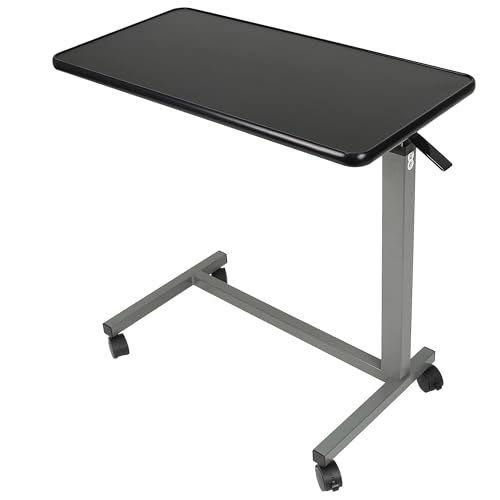
The typical over bedside table features a C-shaped or cantilever design that allows the base to slide under your bed frame while the tabletop extends over your mattress. This clever engineering means you can access your belongings, meals, or work materials without leaving the comfort of your bed. Many models include adjustable height mechanisms, making them suitable for different bed heights and user preferences.
These tables have evolved significantly from their hospital origins. Today's designs range from clinical-style adjustable models to elegant wooden pieces that complement modern bedroom aesthetics. Whether you need a temporary solution during recovery or a permanent addition to your bedroom furniture collection, an over bedside table offers unmatched practicality.
Types of Over Bedside Tables
Understanding the different types of over bedside tables available will help you make an informed decision based on your specific needs and bedroom setup.
Adjustable Hospital-Style Tables
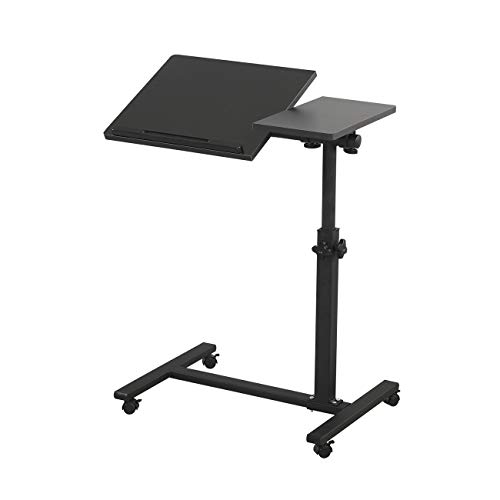
These are the most versatile options, featuring height adjustment mechanisms that range from simple spring-loaded designs to sophisticated gas-lift systems. The overbed bedside table with wheels is particularly popular for its mobility and ease of repositioning. These tables typically feature a tilting tabletop surface, allowing you to angle the surface for reading, writing, or using a laptop comfortably.
Best for: Medical recovery, individuals with limited mobility, and those who need frequent position adjustments.
Fixed-Height Over Bed Tables
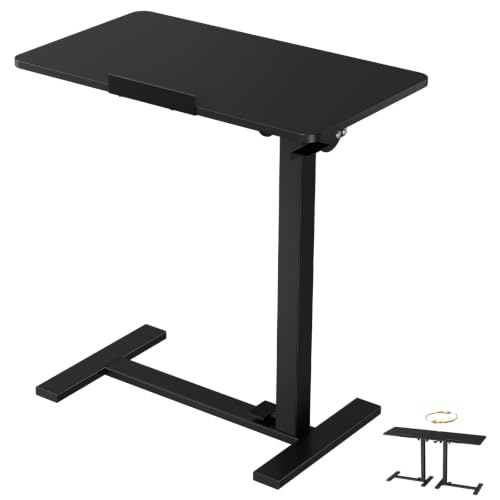
These tables offer a simpler, more streamlined design with a fixed height that's optimized for standard bed heights. They're typically more stable and offer a larger surface area than their adjustable counterparts. The cantilever design slides easily under most bed frames, and the solid construction ensures years of reliable use.
Best for: Permanent bedroom additions, those who prefer minimalist designs, and users with standard bed heights.
Rolling Over Bed Tables
Mobility is the key feature of these tables, which come equipped with smooth-rolling casters or wheels. Many models include locking mechanisms to secure the table in place when needed. This design is ideal for multi-purpose use—you can position it over your bed, roll it to your favorite chair, or move it to another room entirely.
Best for: Multi-room use, caregivers assisting patients, and those who value flexibility in furniture placement.
Designer and Decorative Over Bed Tables
For those who want functionality without sacrificing style, decorative over bed tables combine practical features with premium materials and finishes. These models often feature solid wood construction, elegant metal accents, and integrated storage compartments. Some even include built-in charging stations or USB ports for modern convenience.
Best for: Style-conscious consumers, modern bedroom designs, and those seeking a permanent furniture upgrade.
Key Features to Consider
When evaluating over bedside tables, several critical features determine usability, durability, and overall satisfaction. Here's what to prioritize during your research.
Height Adjustability
The ability to adjust table height is perhaps the most important feature for many users. A table that's too low forces you to strain your back, while one that's too high causes shoulder discomfort. Look for models with a wide adjustment range—ideally spanning from 24 to 36 inches—to accommodate different bed heights and user positions. Premium models offer smooth gas-lift or pneumatic adjustment, while entry-level options may use pin-and-hole systems.
Mobility and Stability
The best over bedside tables balance mobility with stability. Quality casters or wheels should roll smoothly on both carpet and hard floors, and locking mechanisms should engage securely. Consider the wheel size—larger wheels handle transitions between flooring types more effectively. For permanent installations, the added stability of non-wheeled designs may be preferable.
Surface Area and Weight Capacity
Evaluate the tabletop dimensions based on your intended use. A table for holding a book and a cup of tea requires less surface than one used for a laptop, dinner tray, and medications. Weight capacity is equally important—check the manufacturer's specifications and choose a model that comfortably exceeds your expected load. Heavy-duty models typically support 50 to 100 pounds or more.
Material and Construction Quality
Over bedside tables see daily use and need to withstand spills, weight, and regular repositioning. High-grade steel frames with rust-proof finishes offer exceptional durability for adjustable models. Wooden variants should feature solid construction with reinforced joints. Laminate and melamine surfaces are easy to clean and resist scratches, making them practical choices for everyday use.
Storage and Organization
Many modern over bedside tables include integrated storage features such as drawers, shelves, or side pockets. A modern bedside table with drawer design keeps small items organized and accessible. Some models include built-in cup holders, device slots, or cable management systems for added convenience. Consider what items you typically need at arm's reach and choose a storage configuration that matches.
Tilt and Angle Adjustment
For users who plan to read, write, or use devices in bed, a tilting tabletop is a valuable feature. Adjustable tilt mechanisms allow you to angle the surface for optimal viewing and reduce neck strain. Medical-style tables often offer the widest range of tilt adjustment, from flat to nearly vertical.
How to Choose the Right Over Bedside Table
Selecting the ideal over bedside table requires matching the product's features to your specific lifestyle, bedroom layout, and intended use. Follow these guidelines to make a confident purchasing decision.
Top Over Bedside Table Recommendations
Based on our research and analysis, here are standout over bedside table options across different categories. Each recommendation reflects a distinct balance of features, construction quality, and value within its tier.
| Product Category | Tier | Best For | Standout Features |
|---|---|---|---|
| Adjustable Over Bed Table | Mid-range | Versatile everyday use | Height adjustment, tilt surface, locking casters |
| Overbed Table with Wheels | Entry-level | Mobility and convenience | Smooth-rolling casters, compact footprint, easy assembly |
| Modern Bedside Table | Mid-range | Contemporary bedroom aesthetics | Sleek design, integrated charging, durable finish |
| Bedside Table with Drawer | Premium | Organized bedside storage | Storage drawer, solid construction, refined design |
| Narrow Bedside Table with Storage | Mid-tier | Small spaces and tight layouts | Space-saving profile, open shelf, durable build |
| Oversized Bedside Table with Drawers | High-end tier | Maximum surface and storage | Large tabletop, multiple drawers, premium materials |
When comparing these options, consider how each aligns with your primary use case. The adjustable over bed table excels for users who need frequent position changes, while the modern bedside table suits those prioritizing bedroom aesthetics. For compact bedrooms, a narrow bedside table with storage provides essential functionality without overwhelming the space.
Benefits of Using an Over Bedside Table
Investing in an over bedside table delivers tangible benefits that extend beyond simple convenience. Understanding these advantages helps you appreciate the full value of this versatile furniture piece.
Enhanced Accessibility
Perhaps the most significant benefit is improved accessibility to your belongings. Instead of stretching to reach a distant nightstand or balancing items on your lap, everything you need sits securely on a stable surface directly in front of you. This is particularly valuable for individuals recovering from surgery, managing chronic conditions, or experiencing limited mobility.
Space Optimization
Traditional nightstands consume valuable floor space, which can be problematic in smaller bedrooms. An over bedside table utilizes vertical space and positions its surface over the bed rather than beside it. This design approach frees up floor area for other furniture or simply creates a more open, less cluttered bedroom environment. For those with tight floor plans, a no room for bedside table solution like an overbed design is transformative.
Multi-Purpose Functionality
An over bedside table serves multiple roles throughout the day. In the morning, it holds your coffee and breakfast tray. During the day, it becomes a workspace for your laptop. In the evening, it supports your reading material and evening tea. This versatility eliminates the need for separate trays, lap desks, and side tables, simplifying your bedroom setup and reducing clutter.
Improved Comfort During Recovery
For individuals recovering from illness, injury, or surgery, an overbed table is invaluable. It allows users to eat meals, take medications, read, and use devices without leaving bed, promoting rest and reducing the risk of strain. Caregivers also benefit—the table provides a convenient surface for organizing medications, supplies, and meals without needing to balance items on the bed.
Better Sleep Hygiene Support
Interestingly, an over bedside table can support better sleep habits. By providing a designated place for your phone, tablet, book, and other items, it removes the temptation to keep devices on your mattress or pillow. This separation encourages healthier bedtime routines and reduces the likelihood of disrupted sleep from device notifications or uncomfortable objects in your sleeping space.
Care and Maintenance Tips
Proper care extends the lifespan of your over bedside table and keeps it looking its best. Follow these simple maintenance practices to protect your investment.
Regular Cleaning
Wipe the tabletop surface daily with a soft, damp cloth to remove dust, crumbs, and spills. For laminate and metal surfaces, a mild dish soap solution effectively removes grease and residue. Avoid abrasive cleaners, scouring pads, or harsh chemicals that can scratch or discolor the finish. Wooden tabletops benefit from a slightly damp cloth followed by a dry wipe to prevent moisture damage.
Wheel and Caster Maintenance
If your table features wheels, periodically remove hair and debris that accumulate around the axles. This simple step prevents wheel binding and keeps the table rolling smoothly. Check that locking mechanisms engage properly and lubricate metal components with a silicone-based lubricant if needed. Replace worn casters promptly to maintain stability and protect your floors.
Adjustment Mechanism Care
For adjustable tables, keep the height and tilt mechanisms clean and free of obstructions. Gas-lift systems generally require no maintenance, but pin-and-hole mechanisms benefit from occasional lubrication. If you notice difficulty adjusting the table or unusual noises, inspect the mechanism for debris or damage and address issues promptly to prevent further problems.
Protecting Surfaces
Use coasters under hot beverages and place mats under dishes to protect the tabletop from heat damage and scratches. Avoid placing sharp objects directly on the surface, and use a cutting board if preparing food on the table. For wooden surfaces, apply a furniture polish or conditioner every few months to maintain the finish and prevent drying or cracking.
Frequently Asked Questions
What is the difference between an over bed table and an over bedside table?
The terms are often used interchangeably. An over bed table typically refers to hospital-style adjustable tables designed to position over the bed for eating and activities. An over bedside table may refer to a broader category that includes both adjustable overbed designs and fixed-height tables positioned beside the bed with an extending surface. Both serve the same fundamental purpose: providing accessible surface space without taking up floor area beside the bed.
Can I use an over bedside table with an adjustable bed?
Yes, many over bedside tables work well with adjustable beds. However, you need to ensure the table's height range accommodates the elevated position of your adjustable bed. Measure the highest position your bed reaches, then confirm the table's maximum height exceeds that measurement. Models with generous adjustment ranges—particularly those reaching 36 inches or higher—are the safest choices for adjustable bed owners.
Are over bedside tables stable enough for daily use?
Quality over bedside tables are designed for daily use and provide excellent stability. The C-shaped base distributes weight effectively, and locking casters prevent unwanted movement. However, stability varies by model—entry-level tables may wobble slightly when heavily loaded, while mid-range and premium models feature reinforced bases and higher weight capacities. Always check the manufacturer's weight specifications and user reviews for stability feedback.
What weight can an over bedside table support?
Weight capacities vary significantly by model tier. Entry-level tables typically support 20 to 30 pounds, sufficient for books, laptops, and light meals. Mid-range models generally handle 40 to 60 pounds, accommodating heavier loads and larger meals. High-end and commercial-grade tables can support 100 pounds or more, making them suitable for medical use and heavy equipment. Always check the specific product's specifications before purchasing.
How do I know if an over bedside table will fit my bed?
Take three measurements: your bed's height from floor to mattress top, the clearance under your bed frame (to ensure the table base fits underneath), and the width of your bed (to confirm the tabletop extends sufficiently over the mattress). Most over bedside tables feature bases under 30 inches wide and tabletop surfaces between 24 and 36 inches wide. Compare these dimensions with your bed's measurements before purchasing.
Can I use an over bedside table as a permanent bedroom furniture piece?
Absolutely. While these tables are popular for temporary medical use, many models are designed for permanent installation and complement bedroom decor beautifully. Decorative over bedside tables in wood or premium metal finishes look intentional and polished, not clinical. If you choose a permanent model, prioritize aesthetics and build quality alongside functional features. A well-chosen over bedside table can become a permanent and valued part of your bedroom furniture collection.
Ready to Choose Your Over Bedside Table?
An over bedside table is more than a furniture accessory—it's a practical investment in your daily comfort and bedroom functionality. Whether you're recovering from surgery, working from home, or simply enjoying a more organized sleep space, the right table makes every activity easier and more enjoyable.
Use this guide to evaluate your needs, measure your space, and compare features across models. Remember to consider adjustability, mobility, surface size, and construction quality when making your final decision. With the right over bedside table, you'll wonder how you ever managed without one.
Explore our recommended over bedside tables below to find the perfect match for your bedroom and lifestyle.