
Pull Down Beds for Small Rooms: The Complete Space-Saving Guide
Transform a cramped bedroom, studio, or guest room into a flexible living space with a pull down bed. Learn how wall-mounted bed systems work, which mechanisms suit your room, and how to choose the right model for your needs.
Explore Recommended ModelsWhy pull down beds matter: When floor space is limited, a pull down bed (also called a wall bed or Murphy bed) folds vertically into a cabinet or wall panel, freeing the room for work, exercise, or entertaining during the day. For apartment dwellers, students, and anyone living in a compact home, this is one of the most effective furniture upgrades available — it converts a single-purpose room into a multi-purpose one without structural remodeling.
If you are researching pull down beds for small rooms, you are likely past the browsing stage and weighing real options: how the bed mounts, how much clearance it needs, whether the mattress can stay in place, and how the mechanism holds up over years of daily use. This guide answers those questions in plain language so you can choose confidently. If you are also considering other fold-away formats, our overview of pull out beds for small rooms is a useful companion read.
What Exactly Is a Pull Down Bed?
A pull down bed is a bed frame anchored to a wall or built into a cabinet, designed to rotate from a vertical stored position to a horizontal sleeping position. The most common type is the Murphy bed, but the category also includes cabinet beds with folding doors and hybrid wall units that combine a bed with a sofa or desk.
The defining feature is the pivoting mechanism: gas pistons, spring-loaded arms, or counterbalanced linkages. These control the descent and ascent of the bed so that a single adult can open and close it safely. Unlike a traditional bed frame, a pull down bed requires no floor footprint while stored — the entire sleeping surface disappears into a footprint typically 12 to 20 inches deep against the wall.
How Pull Down Bed Mechanisms Work
Understanding the mechanism is the single most important part of choosing a pull down bed, because it determines safety, ease of use, and long-term durability. There are three main systems:
Spring-Loaded Mechanisms
Coil springs assist the lift. Simple, proven, and common in starter-tier wall beds. They require periodic tension adjustment and suit lighter mattress weights. Best for occasional guest use.
Piston-Assisted Mechanisms
Gas or hydraulic pistons provide smoother, more controlled motion. A balanced-tier choice for daily use — easier to operate one-handed and generally quieter than spring systems.
Counterbalanced Linkages
Precision-engineered linkage arms distribute weight evenly across the cycle. Found in high-end tier and professional-grade wall bed systems, they offer the most refined operation and longest service life.
Whichever mechanism you choose, verify that the bed includes a locking pin or safety latch that engages in the horizontal position. This prevents accidental folding while occupied — a non-negotiable feature for any wall bed.
Which Small Rooms Benefit Most?
Pull down beds are not limited to studios. Here is how they perform across common compact-room scenarios:
| Room Type | Best Configuration | Key Consideration |
|---|---|---|
| Studio apartment | Vertical wall bed with integrated sofa | Anchor into wall studs; leave clearance for the sofa footprint |
| Home office / guest room | Bed with fold-down desk panel | Desk must fold away completely before bed lowers |
| Kids' bedroom (shared) | Twin-size pull down bed with safety rails | Prefer piston systems with child-safe locking pins |
| Loft or attic bedroom | Horizontal (side-pivot) wall bed | Check ceiling height and sloped-wall mounting options |
| Guest room / den | Cabinet bed with storage drawers | Choose a model that leaves the mattress in place when closed |
Space Planning: How Much Room Do You Really Need?
The biggest misconception about pull down beds is that they require no floor space at all. In reality, you need clearance in front of the wall for the bed to rotate down and for a person to stand while opening it. As a rule of thumb, allow at least the length of the mattress plus 24 inches of standing room in front of the unit.
Clearance by bed size
- Twin pull down bed: roughly 75 inches of projection plus walking clearance — well-suited to narrow rooms.
- Full pull down bed: about 75 inches of projection with a wider footprint; the most popular size for guest rooms.
- Queen pull down bed: approximately 80 inches of projection; requires a wider wall segment and careful placement away from door swings.
Also account for the cabinet depth when stored (typically 12–20 inches) and any side panels or crown molding. If your room is exceptionally tight, compare the footprint of a wall bed against a pull out bed for small spaces — the latter may suit rooms where wall mounting is impossible.
Quick placement checklist
- Identify a wall with solid studs or masonry backing.
- Keep the drop zone clear of nightstands, lamps, and rugs that could obstruct rotation.
- Avoid mounting opposite a door that opens inward.
- Confirm the ceiling height exceeds the cabinet height plus a few inches for installation.
Types of Pull Down Beds for Small Rooms
Beyond the classic Murphy bed, several formats serve different priorities. Use the comparison below to match the type to your room's primary function:
| Type | Tier | Best For | Trade-Off |
|---|---|---|---|
| Classic vertical wall bed | Essential to mid-range tier | Studios and guest rooms needing full floor reclaim | Requires wall anchoring and clear drop zone |
| Cabinet bed with doors | Mid-range to premium tier | Living rooms where the unit must look like furniture | Deeper cabinet footprint when stored |
| Sofa wall bed combo | Premium tier | Single-room living where seating and sleep share space | Heavier unit; professional installation advised |
| Desk wall bed combo | Mid-range to high-end tier | Home offices doubling as guest rooms | Desk surface must be cleared before lowering |
| Horizontal (side-pivot) bed | Professional-grade tier | Low ceilings and narrow wall segments | Wider swing arc into the room |
Many compact bedrooms pair a wall bed with a platform bed with storage drawers underneath for the primary sleeping spot, reserving the pull down unit for guests. This hybrid approach keeps daily comfort high while preserving flexibility.
Mattress Compatibility: What Works With a Wall Bed
Not every mattress suits a pull down bed. The frame's mechanism is calibrated for a specific weight range, and thick mattresses can prevent the bed from closing flush. Follow these guidelines:
- Thickness: most wall beds accept mattresses between 8 and 12 inches deep. Measure the cabinet interior before buying.
- Weight: memory foam is generally easier on the mechanism than heavy hybrid or innerspring mattresses; check the bed's rated load.
- Retention: many cabinet beds include straps or a base panel that holds the mattress in place while stored vertically. Confirm this feature exists.
- Flexibility: a slightly flexible foam core folds more reliably than a rigid coil unit in models that require bending.
If your primary concern is pressure relief rather than storage, a dedicated mattress for back pain paired with a conventional frame may be the better daily setup — wall beds prioritize space efficiency over orthopedic tuning.
Installation and Safety: What to Expect
Pull down beds are heavy furniture, and correct anchoring is critical. Entry-level tier models are often sold as flat-pack kits for DIY assembly, while premium and professional-grade systems frequently include professional installation. Key safety points:
- Anchor into structure: the mounting plate must fasten to wall studs, blocking, or masonry — never drywall alone.
- Follow the load rating: the unit's specified mattress weight limit exists for a reason; exceeding it strains pistons and springs.
- Test the cycle: after installation, open and close the bed several times to confirm the mechanism is balanced and the latch engages.
- Keep the drop zone clear: teach every household member to check the floor area before lowering the bed.
- Inspect annually: tighten fasteners and check piston tension once a year, especially in humid climates.
Pro tip: measure twice, mount once
Before drilling, mark the cabinet's outline on the wall with painter's tape and simulate the bed's rotation using a cardboard template. This five-minute step prevents the most common installation mistake: discovering too late that the bed collides with a light switch, baseboard heater, or adjacent furniture.
Pull Down Beds vs. Other Space-Saving Beds
Pull down beds are one option among several. Here is how they compare with the most common alternatives for compact rooms:
| Option | Floor Space When Stored | Best For |
|---|---|---|
| Pull down / wall bed | Minimal — cabinet depth only | Full floor reclaim; multi-use rooms |
| Pull out beds twin | Retains sofa footprint | Living rooms needing occasional sleep space |
| Portable beds for adults | Foldable, storable in a closet | Temporary guests; no permanent installation |
| Bunk and loft beds | Vertical stacking | Shared kids' rooms and high ceilings |
| Queen daybeds with trundle | Seating footprint plus pull-out | Guest rooms that double as lounges |
For rooms where wall mounting is not feasible — rented apartments with strict rules, for example — a portable folding bed for adults offers a no-installation alternative that still folds away between uses.
How to Choose: A Practical Buying Framework
When comparing pull down beds for small rooms, evaluate each model against these five criteria. This framework replaces guesswork with a repeatable decision process:
1. Mechanism quality and tier
Match the mechanism to frequency of use. Occasional guest beds can rely on entry-level spring systems; daily-use beds justify the smoother operation and longer service life of mid-range piston or premium counterbalanced systems.
2. Frame material and build
High-grade steel frames with a rust-proof finish and reinforced joints are the standard for durability. Solid wood or engineered wood cabinets should use heavy-duty hardware at every pivot point.
3. Mattress inclusion and retention
Some models ship with a compatible mattress; others require a separate purchase. Confirm the retention strap or base panel exists, and check the thickness range the cabinet accepts.
4. Storage integration
Models with built-in drawers, shelves, or a fold-down desk add function without extra furniture. If storage is your priority alongside the bed, browse platform beds with storage and headboard for an alternative approach that keeps the bed in place.
5. Installation and warranty
Professional installation is strongly recommended for premium and commercial-grade units. Check the warranty length and whether it covers the mechanism separately from the cabinet.
Frequently Asked Questions
Related Guides for Small-Space Sleepers
Continue your research with these related guides on compact bedroom solutions:
Recommended Pull Down Beds & Wall Bed Systems
⚠️ AFFILIATE DISCLOSURE: This website contains affiliate links. As an Amazon Associate, we earn from qualifying purchases. If you make a purchase through these links, we may receive a small commission at no additional cost to you. Read our full affiliate policy.

IDEALHOUSE 75" x 31" Folding Bed, Rollaway Bed with 5" Mattress for Adults | Portable Fold Up Roll Away Beds with Casters, Small Space Saving Guest Beds, Easy Storage
Check price on Amazon
Oakcloud 75" × 31" Folding Bed with Mattress, Small Single Size Foldable Bed for Adults, Portable Cot with 5-inch Thick Memory Foam Mattress and Metal Frame, Space Saving Fold Up Beds, Easy Storage
Check price on Amazon
CoVibrant 75" Long 3-in-1 Sleeper Chair Pull Out Bed, Single Sleeper Sofa Bed with Wing Table and Side Pocket for Living Room, Bedroom, Small Space, Gray
Check price on Amazon
Queen Size Murphy Bed with Sofa and Shelves, White | Space-saving sleeping solution with integrated seating and display shelving for bedroom
Check price on Amazon
Bestar Queen Murphy Bed, White, Claremont, 65W | Dual piston mechanism; for guest room or multipurpose space
Check price on Amazon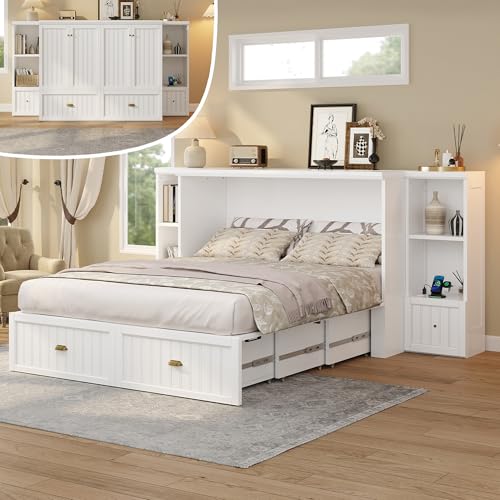
AMERLIFE Queen Size Murphy Bed with Bedside Tables & 3 Storage Drawers | Foldable Cabinet Bed with Charging Station, 3 Storage Shelves, Farmhouse Hideaway Bed, for Bedroom/Office/Guest Room, White
Check price on Amazon
DNYN Queen Size Murphy Bed with Desk & Two Slide Storage Shelf for Small Space,Bedroom,Guest Room,Wooden Wall Bedframe w/Folding into Cabinet Design,Super Save Space & No Box Spring Needed, White
Check price on AmazonDisclaimer
The information provided on SleepWisePicks is for educational and informational purposes only. We are not medical professionals, and our content should not replace professional medical advice, diagnosis, or treatment. Always consult with your physician or sleep specialist regarding sleep disorders or chronic pain. Some content may use AI assistance. Always check product safety standards and certifications before purchasing. If you do not agree, please do not use this website. Read the full disclaimer.