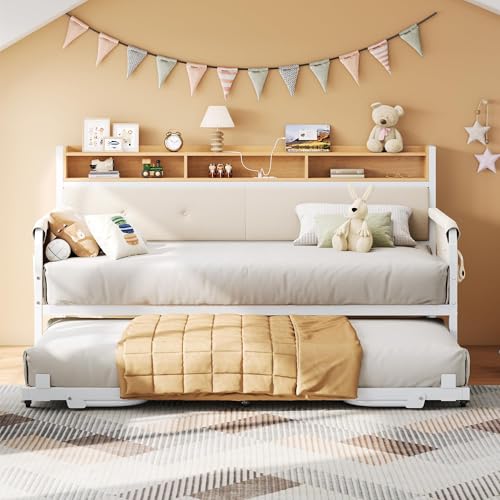
Twin Pull Out Beds: The Complete Space-Saving Sleep Guide
Everything you need to know about twin pull out beds — from frame construction and mattress compatibility to placement ideas for guest rooms, studios, and kids' spaces. Make a confident, informed decision before you buy.
Explore the Buying GuideWhy twin pull out beds matter: A twin pull out bed is one of the most practical sleep solutions for limited floor space. It stays compact when not in use and converts into a full twin sleeping surface when guests arrive. Whether you are outfitting a home office, a small apartment, or a child's bedroom, understanding how these beds are built — and what separates a starter-tier model from a top-tier one — is the key to a purchase you will not regret.
What Exactly Is a Twin Pull Out Bed?
A twin pull out bed is a convertible sleeper designed around a twin-size mattress — typically 38 inches wide by 75 inches long. Unlike a fixed bed, the sleeping surface is hidden inside or beneath the main frame and extends outward when needed. The mechanism varies by design: some models slide out horizontally like a drawer, while others unfold or pop up from a compact footprint.
These beds are closely related to other space-saving formats. If you are comparing options for a very tight room, it helps to review pull out beds for small rooms and pull out beds for small spaces, which cover overlapping designs and clearance requirements. For a broader look at compact sleeping systems, the pull down beds for small rooms guide is also a useful companion read.
How Twin Pull Out Beds Work: Mechanism Types
Sliding Trundle-Style
The sleeping platform slides out horizontally from beneath the main frame. This is the most common format for twin pull out beds and works well under daybeds and platform frames. Entry-level versions use simple casters, while mid-range and premium models add locking mechanisms and reinforced rails.
Fold-Out Sofa Style
The backrest folds down and the seat section pulls forward to create a flat twin surface. These are popular in studios where the bed doubles as seating during the day. Mid-tier models typically include better cushion support and smoother hinge action.
Pop-Up and Lift-Out
The secondary mattress is stored inside the base and lifts into position. These designs are common in kids' rooms and guest setups where a second sleeping spot is needed only occasionally. Higher-end tier options often include gas-lift assistance for easier handling.
Integrated Daybed Convertibles
A daybed frame with a hidden twin extension. The unit reads as seating by day and as a full twin bed at night. Premium models pair this mechanism with upholstered panels and sturdier deck support.
Twin Pull Out Bed Buying Guide: What to Evaluate
Because you are shopping for a mechanical bed rather than a static one, the evaluation criteria differ from a standard mattress purchase. Focus on these factors before committing to a model.
- Frame material and build quality: High-grade steel and reinforced wood frames hold up better under repeated extension. Look for solid build descriptions and rust-proof finish on metal components.
- Weight capacity and support deck: The support deck — slats, mesh, or solid panel — determines how evenly the mattress is supported. Heavy-duty decks reduce sagging over time.
- Mattress compatibility: Twin pull out beds usually require a specific mattress thickness. Too thick and the mechanism will not close; too thin and comfort suffers. Confirm the recommended range before buying.
- Clearance and extension distance: Measure the open floor space in front of the bed. The sleeper needs room to extend fully without hitting furniture or doorways.
- Assembly and portability: Some models ship fully assembled; others require substantial setup. If you plan to move the bed between rooms, prioritize lighter frames with manageable assembly.
- Storage integration: Many twin pull out beds include drawers or compartments. If storage is a priority, review platform beds with drawers underneath for complementary ideas.
Twin Pull Out Bed Tiers Compared
The table below uses a universal tier system instead of figures, so the comparison stays useful regardless of when you read it. Match the tier to how often the bed will be used.
| Tier | Best For | Typical Construction | Durability Outlook |
|---|---|---|---|
| Starter tier | Occasional guest use, kids' rooms, short-term setups | Basic metal frame, simple casters, lightweight deck | Adequate for infrequent use; inspect joints periodically |
| Mid-range | Regular guest rooms, home offices, small apartments | Reinforced frame, locking casters, sturdier slat deck | Solid for routine use; good value for its tier |
| Premium | Frequent nightly sleeping, multi-use studios | Heavy-duty steel or hardwood, smooth-glide mechanism | Long-term investment with consistent performance |
| Luxury / top-tier | Primary guest suites, design-forward interiors | Upholstered panels, precision mechanism, premium materials | Flagship-tier construction built for years of use |
Choosing the Right Mattress for a Twin Pull Out Bed
The mattress is where most buyers make mistakes. A twin pull out bed is engineered around a specific mattress profile, and deviating from it can prevent the bed from closing or create an uncomfortable sleeping surface.
Thickness Matters Most
Most mechanisms accommodate a mattress in the 4 to 6 inch range. Confirm the manufacturer's recommendation. A mattress that is too thick may not fold or slide back into the frame.
Foam vs. Innerspring
High-density foam is the most common choice because it compresses reliably and holds shape. Innerspring options can work if the coil unit is designed for folding, but they are less flexible in tighter mechanisms.
Firmness for Guest Use
Medium to medium-firm tends to satisfy the widest range of sleepers. Very soft foam may bottom out on a slat deck, while very firm surfaces can feel unforgiving on a thin profile.
Protection and Longevity
A water-resistant protector extends mattress life and keeps the mechanism clean. Pair the mattress with a breathable cover to reduce moisture buildup inside the frame.
If you are also considering a dedicated twin platform setup as a comparison point, the platform twin beds guide explains how fixed twin frames differ in support and footprint. And for buyers weighing compact alternatives for adults, the portable beds for adults overview is a helpful reference.
Placement Ideas and Room Planning
Twin pull out beds perform best when the surrounding room is planned around the extension path. Consider these arrangements:
- Home office conversion: Place the bed along a wall with clear floor space in front. The room functions as a workspace by day and a guest room when needed.
- Kids' shared rooms: A twin pull out bed adds a second sleeping spot without permanently consuming floor area. Trundle-style designs work especially well here.
- Studio apartments: Fold-out sofa styles let the bed double as seating, preserving the living area during daytime hours.
- Guest rooms with storage needs: Combine the bed with drawer-equipped frames. The platform beds with drawers underneath guide offers compatible storage strategies.
For rooms where the bed must disappear entirely during the day, compare this format against portable guest beds and portable folding beds for adults. Each format trades off differently between comfort, footprint, and setup effort.
Pros and Cons of Twin Pull Out Beds
Advantages
Compact footprint when closed, dual-purpose functionality, straightforward guest accommodation, and compatibility with small rooms. Mid-range and premium models offer smooth mechanisms and dependable support for regular use.
Trade-offs
Mattress thickness is constrained by the mechanism, setup can require two people, and the extension path needs clear floor space. Entry-level models may feel less refined under frequent use.
Frequently Asked Questions
What is a twin pull out bed?
A twin pull out bed is a space-saving sleeper that extends from a compact frame to reveal a twin-size sleeping surface. It is often built into a sofa, daybed, or trundle-style platform and is ideal for guest rooms, studios, and kids' rooms.
Are twin pull out beds comfortable for adults?
Yes. Mid-range and premium twin pull out beds with reinforced frames and quality mattresses comfortably support most adults. Entry-level models suit occasional use, while higher tiers are built for frequent nightly sleeping.
How much space do I need for a twin pull out bed?
Plan for the closed footprint plus clearance for the extension mechanism. Allow roughly two to three feet of open floor space in front of the unit so the sleeper can extend fully without obstruction.
Can I use a standard twin mattress in a pull out bed?
Only if it matches the manufacturer's recommended thickness. Most mechanisms are designed for a specific profile, and an overly thick mattress can prevent the bed from closing. Always verify the recommended range before purchasing.
How do I maintain a twin pull out bed?
Vacuum the mechanism and deck regularly, tighten fasteners every few months, and lubricate moving parts according to the manufacturer's guidance. Rotate or flip the mattress as recommended to extend its life.
Final Thoughts
A twin pull out bed is a smart answer to a common problem: how to host overnight guests without dedicating a permanent room to sleeping. By focusing on frame construction, mechanism quality, mattress compatibility, and clearance, you can choose a model that fits your space and your usage pattern — whether that is a starter-tier trundle for occasional visits or a premium convertible built for nightly use.
For more compact sleeper comparisons, explore the portable single beds for adults guide and the portable camping beds for adults overview. Both offer useful context on how twin pull out beds compare with other portable formats.