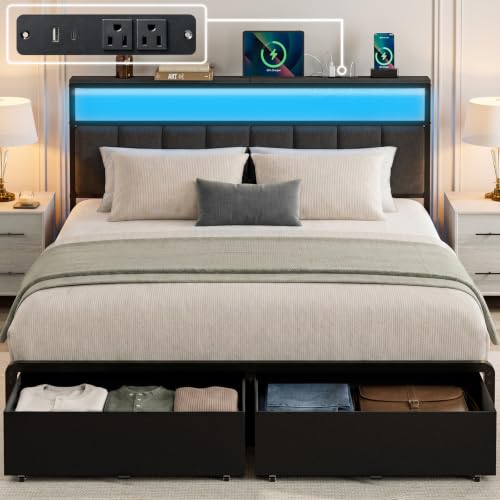
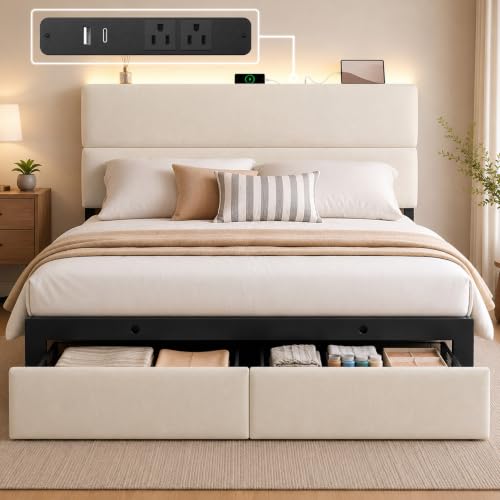
Queen Size Beds: The Complete Buying Guide
Everything you need to know about queen size beds — dimensions, mattress compatibility, frame styles, room planning, and how to choose the right queen bed for couples and solo sleepers alike.
Explore the GuideThe queen size bed sits at the sweet spot between compact full size beds and expansive king size beds. It is the most popular mattress size in many households, offering enough room for two adults to sleep comfortably without dominating the bedroom. Whether you are upgrading from a smaller bed, furnishing a guest room, or simply researching before you commit, this guide walks you through every consideration — from exact measurements and frame options to mattress types and room layout. By the end, you will have a clear picture of whether a queen bed suits your sleeping habits, your bedroom dimensions, and your long-term comfort needs.
Queen Bed Dimensions Explained
Understanding the exact measurements is the first step toward choosing the right bed. A standard queen size mattress measures 60 inches wide by 80 inches long. The bed frame adds a few inches around the mattress, so the overall footprint of a queen bed typically ranges from 64 to 66 inches wide and 84 to 86 inches long, depending on the frame design and headboard thickness.
These dimensions matter for two reasons. First, they determine how much personal sleeping space each person gets — roughly 30 inches of width per sleeper when two adults share a queen. Second, they dictate how much floor space remains in your bedroom for nightstands, dressers, and walking clearance. A general rule of thumb is to leave at least 24 inches of clearance on each side of the bed and at the foot for comfortable movement.
Quick Reference: Queen mattress = 60" × 80". Queen bed frame footprint = approximately 64"–66" × 84"–86". Recommended minimum room size = 10' × 10'; comfortable room size = 12' × 12' or larger.
How Queen Size Beds Compare
Placing the queen bed in context helps you decide whether it is the right fit. The table below compares the queen size with other common bed sizes across key criteria. Tier labels reflect relative market positioning and feature depth rather than any numeric figure.
| Bed Size | Dimensions (W × L) | Best For | Market Tier |
|---|---|---|---|
| Full / Double | 53" × 75" | Solo sleepers, small rooms, guest spaces | Essential |
| Queen | 60" × 80" | Couples, solo sleepers who want extra room, main bedrooms | Balanced |
| King | 76" × 80" | Couples wanting maximum space, large master bedrooms | Premium |
| California King | 72" × 84" | Taller sleepers, spacious master suites | Premium |
Why Choose a Queen Size Bed?
The queen size bed has become the go-to choice for a reason. It balances comfort, room usage, and versatility in a way that few other sizes can match. Here is what makes it stand out.
Pros of a Queen Size Bed
- Ample space for couples: Two adults can sleep side by side without feeling cramped, with approximately 30 inches of width per person.
- Fits most bedrooms: A queen bed works in standard main bedrooms, guest rooms, and even some larger studio apartments without overwhelming the floor plan.
- Wide mattress selection: Almost every mattress brand and type — memory foam, hybrid, innerspring, latex — is available in queen size, giving you the broadest choice.
- Abundant frame options: From platform beds without headboards to queen storage beds with drawers, the frame market for queen beds is extensive.
- Easy to dress: Queen bedding, sheets, and queen size beds accessories are widely available and competitively positioned within their category.
Considerations Before You Buy
- Not ideal for very tall sleepers: At 80 inches long, a queen is 5 inches longer than a full, but taller individuals may still prefer a California king for extra legroom.
- Room clearance matters: In a bedroom smaller than 10' × 10', a queen bed may leave little space for furniture and movement. Measure carefully before committing.
- Couples who value personal space: Some couples prefer the extra width of a king, especially if one partner moves frequently during sleep.
- Moving and assembly: A queen mattress and frame are larger and heavier than full size equivalents, so plan for two people during setup and relocation.
Choosing the Right Queen Mattress
The mattress you pair with your queen frame has the biggest impact on sleep quality. Here is a breakdown of the most common mattress types and what they suit best.
Memory Foam Queen Mattresses
Memory foam conforms closely to the body, relieving pressure points at the shoulders and hips. It is a strong choice for side sleepers and couples who want motion isolation — when one person moves, the other barely feels it. Entry-level memory foam models are widely available, while high-end tier options add cooling gels and denser support layers.
Hybrid Queen Mattresses
Hybrid mattresses combine foam comfort layers with pocketed coil support cores. They offer a balance of bounce and contouring, making them suitable for combination sleepers and those who run warm. Mid-range hybrids typically provide better airflow than all-foam designs, while premium hybrids often include zoned support and reinforced edges.
Innerspring Queen Mattresses
Traditional innerspring mattresses use interconnected or pocketed coils for support. They tend to sleep cooler and offer a more responsive feel. Modern innerspring designs with pocketed coils reduce motion transfer significantly compared to older models. These are a solid choice for sleepers who prefer a traditional bounce and easy movement across the surface.
Latex Queen Mattresses
Latex mattresses are durable, responsive, and naturally breathable. They suit sleepers who want a buoyant, supportive feel without the slow sink of memory foam. Natural latex options appeal to those seeking a more organic sleep environment. Latex tends to sit in the premium to luxury tiers due to material sourcing and manufacturing complexity.
Queen Bed Frame Styles
The frame you choose affects the bed's height, style, storage capability, and overall footprint. Here are the most popular queen bed frame categories.
| Frame Style | Best For | Key Features | Market Tier |
|---|---|---|---|
| Platform Bed | Modern bedrooms, minimalists | Sleek profile, no box spring needed, sturdy slat support | Balanced |
| Storage Bed | Small rooms, apartments | Built-in drawers or hydraulic lift storage underneath | Balanced |
| Upholstered Bed | Cozy, traditional, or luxury bedrooms | Fabric or leather finish, padded headboard, soft aesthetic | Premium |
| Metal Bed Frame | Guest rooms, durable everyday use | Heavy-duty steel construction, easy assembly, ventilated support | Essential |
| Canopy Bed | Statement bedrooms, romantic styling | Four-poster design, dramatic focal point, often solid wood or metal | Luxury |
Planning Your Bedroom Around a Queen Bed
A queen bed is the centrepiece of most main bedrooms, so it pays to plan the surrounding layout before you buy. Start by measuring your room and marking out the bed's footprint on the floor with tape. Then account for the following essentials.
Clearance Guidelines
- 24 inches minimum on each side of the bed for easy access and making the bed.
- 24 to 36 inches at the foot of the bed for walking clearance and drawer access.
- Nightstands: Allow at least 18 to 24 inches wide on each side if space permits. A small white bedside table with drawers can work well in tighter spaces.
- Wardrobe and dresser access: Ensure doors and drawers can open fully without hitting the bed.
Styling and Bedding
Once the bed is in place, bedding becomes the fastest way to refresh the look. Queen size bedding is widely available in every style, from white bedspreads in queen size to grey queen bedspreads and cute queen bedspreads for a softer aesthetic. If you prefer seasonal rotation, a Christmas bedspread in queen size or a purple queen bedspread can quickly change the mood of the room. Layer with pillows, a throw, and a bedside lamp to complete the setup.
Queen Bed Buying Checklist
Before you commit to a queen size bed, run through this checklist to make sure every detail is covered.
Before You Buy
- Measure your room and confirm the bed footprint plus clearance fits comfortably.
- Measure doorways and stairwells to ensure the mattress and frame can be delivered and assembled.
- Decide on mattress type based on your sleep position, temperature preference, and motion sensitivity.
- Choose a frame style that matches your storage needs and bedroom aesthetic.
- Check return and trial policies — many mattresses come with a sleep trial period.
- Consider the box spring question: platform beds do not require one; traditional frames may.
- Plan for bedding: queen sheets, comforters, and protectors are widely available in standard sizes.
Frequently Asked Questions About Queen Size Beds
Ready to Choose Your Queen Bed?
Explore our curated selection of queen size beds and mattresses. Compare features, check availability, and find the right fit for your bedroom and sleep style.
View Queen Bed Options