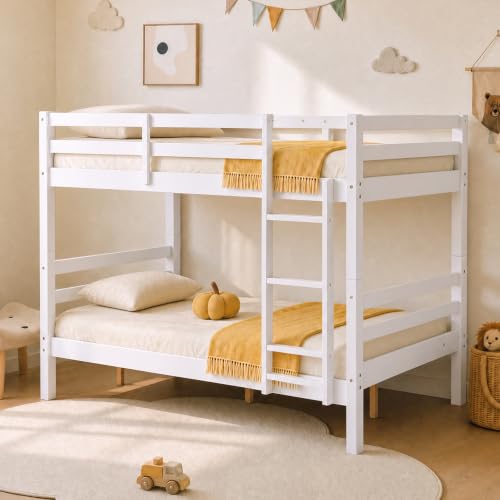
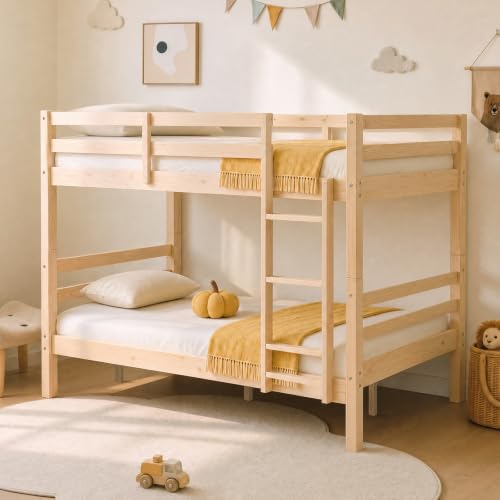
Solid Wood Full Size Bunk Beds: A Complete Guide for Smart Sleep Spaces
Everything you need to know before choosing a full over full solid wood bunk bed — durability, safety, sizing, configuration, and long-term value.
Why this guide matters: A solid wood full size bunk bed is one of the most practical and enduring investments for a shared bedroom, guest room, or multi-child household. This guide walks you through construction quality, weight ratings, safety standards, mattress compatibility, and the design configurations that make full size bunk beds a smart long-term choice.
Why Solid Wood Full Size Bunk Beds Stand Out
Solid wood full size bunk beds offer a combination that few other bed styles can match: two generous full size sleeping surfaces stacked vertically in a single footprint. Compared with twin bunk beds, a full over full configuration gives each sleeper substantially more width and length, making it a serious option for teenagers, adults, and guest rooms rather than a short-lived childhood purchase.
Construction matters just as much as configuration. Solid wood frames — whether pine, rubberwood, oak, or maple — resist wobble, distribute weight more evenly than hollow-core alternatives, and typically age better under daily use. If you are also comparing narrower layouts, our guide to solid wood bunk beds twin over twin explains where twin configurations still make more sense.
Key advantages of choosing a full over full solid wood bunk bed include:
- Longevity: Solid wood joinery tolerates repeated assembly, moving, and daily climbing far better than particle board.
- Shared-room efficiency: Two full size sleeping spaces occupy the floor area of one full size bed.
- Adult-capable capacity: Many premium solid wood models are rated for adults on both bunks when properly assembled.
- Design flexibility: Convertible models can be split into two separate full size beds as needs change.
- Timeless aesthetics: Natural wood finishes suit modern, rustic, Scandinavian, and traditional interiors alike.
What to Look for in a Solid Wood Full Size Bunk Bed
Not every wooden bunk bed on the market is truly solid wood, and not every solid wood frame is built to the same standard. Before you commit, evaluate these core attributes:
Frame Material & Joinery
Confirm that load-bearing posts and rails are solid wood, not veneer over engineered board. Look for mortise-and-tenon or reinforced bolt-and-barrel-nut joinery for long-term stability.
Weight Ratings
Reputable manufacturers publish per-bunk weight limits. Check both top and bottom ratings, and confirm the model is explicitly rated for the sleepers you intend to accommodate.
Safety Features
Full-length guardrails on the top bunk, a sturdy ladder with wide rungs, and rounded edge detailing are non-negotiable. Slat spacing should be tight enough to support the mattress firmly.
Convertibility
If you want long-term flexibility, look for a model that separates into two independent full size beds. This extends the usable life of the purchase across changing family needs.
Mattress Compatibility
Top bunks typically require a thinner mattress (roughly 6–8 inches) to keep guardrails effective. Confirm the recommended mattress thickness for both levels before buying.
Finish & Safety Standards
Choose finishes that are low-emission and compliant with applicable furniture safety standards. A smooth, sealed surface is easier to maintain and safer for shared use.
Full Size Bunk Bed Configurations Compared
Full size bunk beds come in several practical layouts. The right choice depends on who will sleep on each level, how much floor space you can dedicate to stairs or storage, and whether the bed needs to adapt over time.
| Configuration | Best For | Key Consideration |
|---|---|---|
| Full over Full | Two adults, teenagers, or older children sharing a room | Maximum sleeping width on both levels; requires more vertical clearance |
| Twin over Full | Mixed-age siblings or a guest room with one primary sleeper | Smaller top bunk eases ceiling-height constraints |
| Full over Full with Stairs | Younger children or households prioritizing safer access | Stairs add footprint but improve daily usability and storage potential |
| Full over Full with Storage | Small bedrooms with limited drawer or shelving space | Built-in drawers or shelving under the lower bunk maximize utility |
| Convertible Full over Full | Families planning for changing needs over the long term | Separates into two full size beds; verify hardware supports independent use |
If floor space is the primary constraint, our roundup of space-saving bunk beds for small rooms explores narrower and more compact alternatives. For households that want the full size footprint with added access safety, solid wood bunk beds with stairs are worth reviewing. And if storage is the deciding factor, compare options in our guide to solid wood bunk beds with storage.
Safety, Assembly, and Placement Essentials
A full size bunk bed carries more weight and occupies more vertical space than a twin bunk bed, so installation details deserve extra attention.
- Ceiling clearance: Measure from floor to ceiling and subtract the assembled bed height plus mattress thickness. Leave a comfortable buffer above the top sleeper.
- Wall anchoring: Many solid wood bunk beds include anti-tip hardware. Use it. Anchoring to a wall stud prevents tipping if a sleeper leans or climbs carelessly.
- Guardrail height: The top guardrail should extend at least 5 inches above the mattress surface. A thinner top mattress helps maintain this margin.
- Ladder stability: Confirm the ladder hooks or bolts securely to the frame and sits flush against it. A wobbling ladder is the most common safety complaint.
- Assembly rigor: Follow the manufacturer's torque and sequencing instructions. Re-tighten hardware after the first few weeks of use and periodically thereafter.
- Placement: Keep the bed away from ceiling fans, windows with blinds cords, and wall-mounted shelving that could be reached from the top bunk.
For households with younger children, verify that the specific model meets the relevant bunk bed safety standard for your region. If the bed is intended for adults, confirm adult weight ratings rather than assuming a child-rated frame will suffice. Our guide to solid wood bunk beds for adults covers capacity and structural expectations in more detail.
Choosing the Right Mattress and Bedding
Mattress selection directly affects both comfort and safety on a full size bunk bed. On the top bunk, a thinner profile preserves guardrail height; on the bottom bunk, a standard full size mattress works well. In both cases, a firm, supportive surface is preferable to an overly soft one, especially for sleepers who move frequently during the night.
Bedding should match the full size dimensions on both levels. If you plan to separate the bunk into two independent beds later, standard full size sheet sets will continue to fit. For split or adjustable configurations elsewhere in the home, our guides to split box springs for full size beds may be useful context.
Practical bedding tips for bunk beds:
- Use fitted sheets with deep pockets to accommodate mattress thickness variations.
- Choose breathable, easy-care fabrics for shared and guest settings.
- Keep top-bunk bedding simple — avoid thick comforters that can interfere with guardrails.
- Rotate and flip mattresses where the design allows to extend usable life.
Who Should Choose a Solid Wood Full Size Bunk Bed
Full over full solid wood bunk beds are not a niche product — they solve a specific set of space and capacity problems. They are a strong fit for:
- Families with two older children or teenagers who have outgrown twin beds but still share a room.
- Guest rooms and vacation homes that need to sleep four adults comfortably in a compact footprint.
- Multi-generational households where one room must serve different sleepers over time.
- Small homes and apartments where the bed is the dominant piece of furniture and vertical space is the most efficient resource.
- Buyers prioritizing longevity who want a frame that can be separated into two beds rather than replaced.
If you are weighing a full size bunk against other compact solutions, our overview of space-saving beds for small rooms and the broader guide to solid wood bunk beds can help you compare formats side by side. For layouts that prioritize drawer storage over bunk height, see solid wood platform beds with storage drawers.
Care and Maintenance for Long-Term Durability
Solid wood rewards basic maintenance with decades of service. Wipe surfaces with a soft, slightly damp cloth and avoid harsh chemical cleaners that can dull the finish. Check bolts and ladder hardware every few months, especially in households with active children. Keep the bed away from direct heat sources and prolonged moisture, and address any squeaks promptly by tightening connections rather than ignoring them.
If the bed will be disassembled for a move, label hardware and keep the assembly instructions. Solid wood frames are more forgiving than engineered boards, but proper storage during moves prevents unnecessary scratches and joint stress.
Frequently Asked Questions
Are solid wood full size bunk beds safe for adults?
Yes, provided the model is explicitly rated for adults. Check the published weight rating for both the top and bottom bunks, confirm the frame uses reinforced joinery, and ensure the ladder and guardrails are rated for adult use. Not every bunk bed is adult-rated, so verify before purchasing.
What is the difference between full over full and twin over full bunk beds?
A full over full bunk bed has two full size mattresses stacked vertically, giving both sleepers generous width and length. A twin over full bunk bed pairs a smaller twin mattress on top with a full mattress below, which suits mixed-age siblings or rooms where ceiling height is limited.
How much ceiling height do I need for a full size bunk bed?
Plan for at least 7 to 8 feet of ceiling height for comfortable use. Measure the assembled bed height, add the mattress thickness, and leave a safety buffer above the top sleeper. Always check the manufacturer's recommended clearance.
Can solid wood full size bunk beds be separated into two beds?
Many full over full solid wood bunk beds are designed to convert into two independent full size beds. Look for models described as convertible or separable, and confirm that the hardware and instructions support independent use.
What mattress thickness works best for a full size bunk bed?
A top bunk mattress around 6 to 8 inches thick is generally recommended to preserve guardrail height. The bottom bunk can use a standard full size mattress of similar thickness. Follow the manufacturer's maximum thickness guidance for both levels.
Ready to Compare Solid Wood Full Size Bunk Beds?
Review the recommended models below, compare configurations, and choose the frame that fits your room, your sleepers, and your long-term plans.
Explore Recommended Models