Twin Box Spring for Bunk Beds: The Complete Guide to Choosing the Right Support
Everything you need to know about selecting a twin box spring for bunk beds — from low-profile designs and safety considerations to durability and sizing.
A twin box spring for bunk beds is one of the most overlooked components of a bunk bed setup, yet it plays a critical role in comfort, mattress longevity, and safety. Whether you are outfitting a child's room, a guest room, or a vacation cabin, the right foundation can make the difference between a restless night and a restful one.
This guide walks you through the key factors to consider when shopping for a twin box spring specifically designed for bunk beds. You will learn about height restrictions, weight capacity, construction materials, and how to match a box spring to your bunk bed frame and mattress. By the end, you will have a clear understanding of what to look for so you can make a confident purchase decision.
Why a Box Spring Matters for Bunk Beds
Bunk beds are space-saving marvels, but their stacked design introduces unique challenges. The top bunk must remain secure, and the bottom bunk needs adequate headroom. A twin box spring for bunk beds serves several important functions:
- Mattress Support: A box spring distributes weight evenly, preventing sagging and extending the life of your mattress.
- Height Adjustment: The right box spring can raise the mattress to a comfortable height for the bottom bunk while keeping the top bunk safe.
- Shock Absorption: Box springs absorb impact and reduce motion transfer, which is especially helpful when two people share a bunk bed room.
- Air Circulation: A quality box spring promotes airflow beneath the mattress, reducing moisture buildup and keeping the sleep surface fresher.
However, not every bunk bed requires a box spring. Many modern bunk beds feature sturdy slat foundations or solid platform bases that are designed to support a mattress directly. Before purchasing a box spring, check your bunk bed's manufacturer guidelines. If your bunk bed uses a traditional mattress foundation or has widely spaced slats, a box spring is likely recommended.
For those exploring different bunk bed configurations, you may find our guide on twin over twin bunk beds with storage useful for understanding how foundation requirements vary across designs.
Key Factors When Choosing a Twin Box Spring for Bunk Beds
1. Height and Profile
Height is the single most important consideration for a bunk bed box spring. Standard box springs typically measure 8 to 9 inches in height, which can be too tall for a bunk bed — especially the top bunk, where guardrails are designed for a certain mattress height. A low-profile box spring (4 to 6 inches) is generally the safer and more practical choice.
On the top bunk, a low-profile box spring keeps the mattress from rising above the guardrails, reducing the risk of falls. On the bottom bunk, it preserves valuable headroom so the lower sleeper does not feel cramped. If you are setting up a bunk bed for smaller children, our article on twin beds for kids offers additional safety tips.
2. Construction and Durability
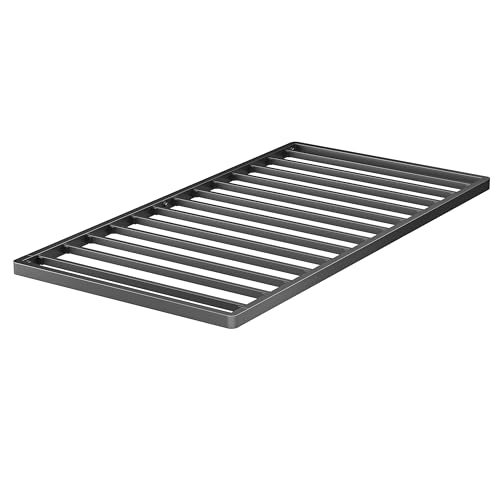
Box springs are constructed with either traditional coil springs or a rigid grid system. For bunk beds, look for a model with a heavy-duty frame and reinforced corners. The foundation must withstand the weight of both the mattress and the sleeper, often with additional movement from the top bunk.
Wooden box springs with closely spaced slats or steel grid foundations tend to be more durable and less prone to squeaking. Avoid box springs with thin plastic components or flimsy connectors, as these may fail under the stress of bunk bed use.
3. Size and Fit
A standard twin mattress measures 38 x 75 inches, and a matching twin box spring should have the same dimensions. Always measure your bunk bed frame's interior dimensions before ordering, as some imported or custom bunk beds may have slightly different sizing. A box spring that is too large will not sit flush, while one that is too small can shift and create unsafe gaps.
4. Weight Capacity
Bunk beds often accommodate children and adults alike. Check the box spring's weight rating to ensure it can support the intended sleeper. For adult use, look for models rated for higher weight capacities and constructed with reinforced materials. Our guide on twin beds for adults discusses weight considerations in more detail.
5. Assembly and Maintenance
Some box springs arrive fully assembled, while others require partial assembly. For bunk beds, a box spring that is easy to install and remove is beneficial for cleaning and mattress rotation. Also, consider whether the box spring has a removable cover for washing, which helps maintain hygiene in shared sleeping spaces.
Comparing Box Spring Types for Bunk Beds
The table below summarizes the main types of twin box springs and how they perform in a bunk bed context. Use this as a quick reference when evaluating your options.
| Tier / Type | Best For | Key Characteristics |
|---|---|---|
| Entry-level traditional box spring | Lightweight sleepers, occasional use | Standard coil construction, basic fabric cover, moderate durability |
| Mid-range low-profile box spring | Most bunk bed setups, children and teens | 4–6 inch height, reinforced corners, good balance of support and safety |
| Premium heavy-duty box spring | Adult sleepers, high-traffic bunk beds | High-grade steel or hardwood frame, higher weight rating, long-term durability |
| Bunk-specific foundation | Bunk beds with non-standard sizing or strict height limits | Engineered specifically for bunk clearance, often modular or foldable |
When comparing options, focus on how each tier aligns with your bunk bed's design and the people who will use it. A mid-range low-profile box spring is often the most balanced choice for family bunk beds, while a premium heavy-duty model makes sense for adult use or rental properties.
Safety Considerations for Bunk Bed Box Springs
Safety should never be compromised when setting up a bunk bed. Keep the following guidelines in mind:
- Guardrail Height: The top of the mattress (including the box spring) should sit at least 5 inches below the top of the guardrail. A low-profile box spring helps achieve this.
- Stable Foundation: Ensure the box spring sits securely on the bunk bed's foundation rails. Use anti-slip pads if necessary to prevent shifting.
- Weight Limits: Never exceed the combined weight limit of the bunk bed frame, box spring, and mattress. Check all three ratings before use.
- Regular Inspection: Periodically check the box spring for sagging, broken slats, or loose fasteners, especially if the bunk bed is used by active children.
If you are considering a bunk bed with stairs or storage, our article on twin bunk beds with stairs and storage provides additional setup and safety guidance.
Matching Your Box Spring with the Right Mattress
The box spring and mattress work as a system. For bunk beds, a mattress that is too thick combined with a tall box spring can create a safety hazard on the top bunk. A general rule of thumb is to keep the total height of the mattress and box spring at or below 12 inches for the top bunk.
Innerspring and hybrid mattresses pair well with traditional box springs, while memory foam mattresses can be used with either a box spring or a solid platform. If you are shopping for a complete setup, explore our selection of twin beds with frame and mattress to simplify your purchase.
For bunk beds that will be used by children, choose a mattress with a firmer feel and a box spring that provides even support. Our guide on twin beds for small rooms offers space-planning tips that complement a bunk bed arrangement.
Ready to complete your bunk bed setup? Browse our curated selection of twin box springs and bunk bed accessories below to find the right foundation for your needs. Each option is evaluated for durability, safety, and compatibility with standard twin bunk beds.
Frequently Asked Questions
Do bunk beds need a box spring?
Most bunk beds do not require a box spring if they have a solid platform or slat base. However, if your bunk bed uses a traditional mattress foundation, a low-profile twin box spring can extend mattress life and add comfort.
What size box spring fits a twin bunk bed?
A standard twin box spring measures approximately 38 x 75 inches, which fits most twin bunk beds. Always measure your bunk bed frame before purchasing to confirm clearance and fit.
What is the best box spring height for bunk beds?
A low-profile box spring (around 4 to 6 inches) is ideal for bunk beds. It provides support without raising the mattress too high, keeping the top bunk safe and the bottom bunk accessible.
Can I use a regular box spring on a bunk bed?
A regular box spring may be too tall for a bunk bed, especially on the top bunk where guardrails could become ineffective. A low-profile or bunk-specific box spring is recommended for safety and fit.