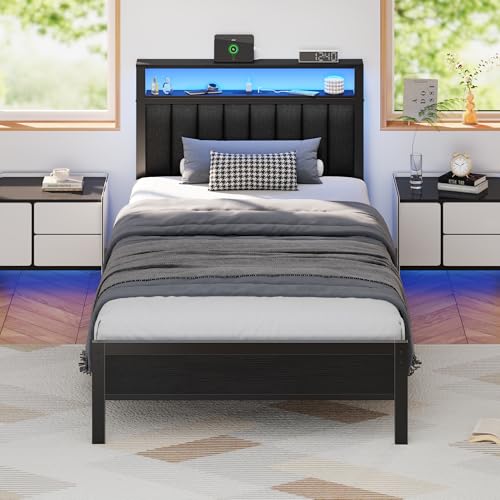
Twin Beds for Small Rooms: The Complete Space-Saving Guide
Compact bedrooms demand smart furniture choices. Learn how twin beds free up floor space, which frames work best in tight layouts, and how to choose a setup that supports restful sleep without crowding your room.
Why Twin Beds Are a Smart Fit for Small Rooms
A twin bed is the most space-efficient sleeping surface for a single sleeper. Because it occupies less width than a full or queen bed, it preserves walking paths, leaves room for a wardrobe, and keeps the room feeling open rather than cramped. In compact apartments, guest rooms, and children's bedrooms, that recovered floor space often matters more than the extra sleeping width.
Beyond sheer footprint, twin beds simplify room planning. Their narrow profile allows a bed to sit against a wall without blocking a doorway, and it makes bedside furniture optional rather than mandatory. Many compact rooms pair a twin bed with a wall-mounted shelf or a slim nightstand to keep the layout functional.
The trade-off is sleeping width. A twin suits one sleeper comfortably but is not intended for couples. For solo sleepers who prioritize room flow, however, the twin bed remains the classic compact solution. If you are furnishing a tight guest room, reviewing options for guest beds for small spaces helps you compare twins against foldable and convertible alternatives.
Twin Bed Dimensions Explained
Understanding exact dimensions prevents the most common small-room mistake: buying a bed that technically fits the wall but leaves no clearance for movement. The standard twin is the baseline, while the twin XL adds length for taller sleepers.
| Size | Approximate Width | Approximate Length | Best For |
|---|---|---|---|
| Standard Twin | 38 inches | 75 inches | Children, teens, and most average-height adults |
| Twin XL | 38 inches | 80 inches | Taller adults and college-style layouts |
| Full | 54 inches | 75 inches | Single sleepers who want extra width |
| Queen | 60 inches | 80 inches | Couples and spacious primary bedrooms |
Always measure the room rather than relying on memory. A twin bed plus a 24-inch walking path on at least one side is a practical minimum for comfortable use. If the room is narrower than that, a wall-side placement becomes necessary, which makes frame style especially important.
Frame Types That Work in Tight Spaces
The bed frame shapes how much usable space the room retains. A bulky frame can erase the advantage of a narrow mattress, while a slim platform keeps the footprint honest.
Panel Twin Beds
Panel frames offer a traditional silhouette with a defined headboard and footboard. They suit rooms with a little more wall length and pair well with classic decor. For a detailed breakdown of this style, see our guide to panel twin beds.
Platform Frames and Low-Profile Designs
A platform frame sits low to the floor and eliminates the need for a box spring, which reduces visual bulk. In small rooms, a low profile makes ceilings feel higher and keeps sightlines open. Our article on low-profile platform beds covers the structural details worth checking before you buy.
Storage Frames
When floor space is scarce, vertical storage is the answer. Beds with built-in drawers or lift-up compartments convert unused under-bed volume into wardrobe space. Explore beds with storage drawers if you need to consolidate clothing or bedding storage within the bedroom footprint.
Loft and Bunk Options
If the room serves two people, stacking beds vertically frees an entire floor area. Twin-over-twin configurations are the classic solution, and our guide to twin-over-twin bunk beds with storage drawers explains how to combine vertical sleeping with organized storage.
Design tip: In narrow rooms, choose a frame with a low headboard. Tall headboards add vertical presence but can make a tight room feel boxed in, especially when the bed sits against a short wall.
Twin vs. Full vs. Queen: What You Give Up and Gain
Choosing a bed size is a negotiation between sleeping comfort and floor space. A twin sacrifices width but returns usable room area. A full bed adds width at a modest cost in footprint, while a queen demands significantly more clearance.
The comparison is not purely about inches. A twin bed allows a compact desk, a reading chair, or a dresser to coexist in the same room. A queen bed in the same space often eliminates one of those functions. For rooms under roughly 100 square feet, the twin is usually the more livable choice.
For a broader look at how smaller beds compare with wider alternatives, review our collection of twin beds for small rooms as a reference point before sizing up.
Smart Layout Ideas for Compact Bedrooms
Placement matters as much as the bed itself. A well-placed twin can make a small room feel intentional rather than crowded.
- Corner placement: Push the bed into a corner to open a central walking zone. This works best with a platform frame and a wall-mounted reading light.
- Under-window layout: Placing the headboard beneath a window keeps the longest wall free for a wardrobe or desk.
- Slim nightstand pairing: A narrow bedside surface preserves utility without eating floor space. A tall narrow bedside table adds vertical storage in tight gaps.
- Wall-mounted lighting: Swap a table lamp for a modern bedside table lamp mounted or clipped near the headboard to keep the nightstand clear.
- Rug placement: A modest rug anchors the bed visually without overwhelming the floor plan.
If the room doubles as a study, a lofted or desk-integrated frame can consolidate functions. Our guide to loft beds for small rooms explores how to combine sleeping and working zones in one footprint.
Choosing the Right Twin Mattress
The mattress determines comfort, and twin mattresses are widely available across every firmness and material category. Match the mattress to your sleep position: side sleepers generally benefit from a softer surface that cushions the shoulders and hips, while back and stomach sleepers usually prefer a firmer, more supportive feel.
Depth matters in small rooms as well. A very thick mattress raises the bed height and can make a narrow room feel top-heavy. A medium-depth mattress paired with a low platform frame tends to balance comfort and visual proportion.
If you are shopping on a tighter tier, entry-level twin mattresses from reputable brands still offer dependable support. Our page on twin beds with mattress included explains how to evaluate bundled setups, and our broader mattress buying guide covers firmness, materials, and warranty expectations in detail.
Who Benefits Most from a Twin Bed
Twin beds serve a wide range of sleepers and room types. The most common beneficiaries include:
- Children and teenagers whose rooms also need space for study and play.
- Guest rooms that must remain flexible for other uses.
- Studio apartments where every square foot performs multiple duties.
- Dormitories and shared housing with limited personal space.
- Solo adults who value an open, uncluttered bedroom over extra sleeping width.
For households furnishing a child's room, our collection of children's bunk beds shows how twin sizing scales into shared and multi-function layouts.
Buying Checklist for Twin Beds in Small Rooms
Before finalizing a purchase, run through this practical checklist to avoid a setup that fits the wall but not the lifestyle.
- Measure twice: Record wall length, doorway width, and clearance to closets. Confirm the bed can be delivered and assembled in the room.
- Confirm the frame type: Decide between platform, panel, storage, or loft based on whether you need under-bed storage or a lower visual profile.
- Check mattress compatibility: Verify whether the frame requires a box spring or supports a mattress directly.
- Plan bedside storage: Choose a slim nightstand or wall-mounted shelf to keep essentials within reach without crowding the floor.
- Review assembly requirements: Some frames ship in multiple boxes; confirm the tools and time required before delivery.
- Verify weight capacity: For adult use or heavy-duty needs, check the frame's rated capacity. Our guide to heavy-duty furniture explains what to look for in reinforced construction.
For rooms that must serve guests occasionally, compare twin beds against convertible couches and sofa sleepers to see which dual-purpose option fits your layout best.
Frequently Asked Questions
What is the standard size of a twin bed?
A standard twin measures roughly 38 inches wide by 75 inches long. A twin XL extends the length to about 80 inches while keeping the same width.
Is a twin bed comfortable for an adult?
Yes. Many adults sleep comfortably on a twin, particularly solo sleepers who prefer more floor space. Taller adults should consider a twin XL for additional legroom.
How much space should I leave around a twin bed?
Aim for at least 24 inches of walking clearance on at least one side. In very narrow rooms, wall-side placement with clearance at the foot of the bed is a workable compromise.
Can two twin beds fit in a small guest room?
In many compact guest rooms, two twins fit side by side with a slim nightstand between them. Measure the wall length and confirm walking clearance before committing to a pair.
Do twin beds require a box spring?
It depends on the frame. Platform beds support a mattress directly, while traditional panel frames may require a box spring. Check the frame specifications before purchase.
Final Thoughts
Twin beds remain the most dependable solution for small bedrooms because they balance comfort with spatial efficiency. By choosing the right frame type, confirming dimensions, and planning placement carefully, you can turn a compact room into a restful, functional space. Use the checklist above, compare frame styles against your storage needs, and select a mattress that matches your sleep position for the best long-term result.