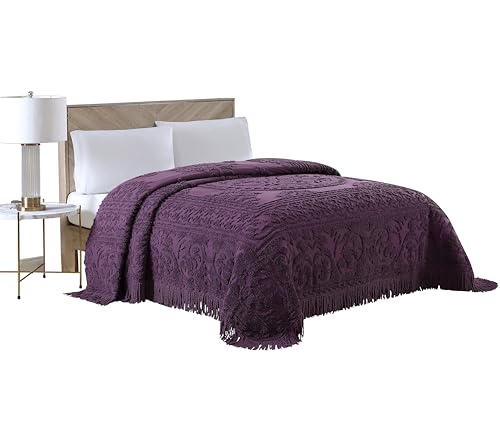
Vintage Chenille Bedspreads: Timeless Comfort for Your Bedroom
Explore the history, craftsmanship, and styling of vintage chenille bedspreads — and learn how to choose an heirloom-quality piece that transforms your sleep space.
START THE BUYING GUIDEWhy vintage chenille bedspreads deserve a place in your home: With their raised tufted patterns, soft hand-feel, and nostalgic charm, chenille bedspreads bring texture and warmth that modern flat-weave bedding simply cannot replicate. Whether you are furnishing a cottage-style guest room or adding a cozy layer to a primary suite, understanding the fabric, sizing, and care of chenille is the key to choosing a piece you will treasure for years.
What Makes Chenille Bedspreads Unique?
Chenille is a yarn characterized by its fuzzy, velvety pile — the name comes from the French word for "caterpillar," a nod to the yarn's soft, textured appearance. Vintage chenille bedspreads are typically woven from cotton chenille yarns on jacquard looms, producing raised patterns that range from simple tufted dots to elaborate floral medallions and scrollwork. The result is a bed covering with remarkable depth, softness, and a distinctly handcrafted look.
Historically, chenille bedspreads became popular in the early-to-mid twentieth century, particularly in North America, where they were often produced by family-run mills. Many collectors prize vintage pieces for their weight, drape, and the intricacy of their woven designs. Today, both true vintage finds and modern reproductions capture that same nostalgic aesthetic, making chenille a versatile choice for cottage, farmhouse, shabby-chic, and even contemporary bedrooms.
Raised Texture
The tufted chenille pile creates a sculpted surface that adds visual interest and a cozy, tactile quality to any bed.
Breathable Cotton
Most chenille bedspreads are cotton-based, offering breathability and a soft hand that works across seasons.
Heirloom Appeal
Well-cared-for chenille can last for decades, making it a sustainable and sentimental choice for the home.
Popular Vintage Chenille Patterns and Styles
Part of the appeal of shopping for chenille is the sheer variety of woven designs. Understanding the most common pattern families helps you narrow your search and match the mood of your bedroom.
- Floral medallion: Symmetrical blooms and vine motifs, often inspired by traditional jacquard weaving — a classic choice for cottage and traditional bedrooms.
- Tufted dot or "candlewick" style: Simple raised dots arranged in grids or diamonds, offering a clean, understated texture that suits minimalist and farmhouse interiors.
- Scrollwork and lattice: Interlocking curves and geometric lattices that add a layer of visual rhythm without overwhelming the room.
- Paisley and botanical: More elaborate, sometimes boho-leaning designs that pair beautifully with eclectic and layered bedding looks.
- Solid or two-tone tufting: Tone-on-tone chenille that emphasizes texture over pattern, ideal for modern, calm bedrooms.
If you are drawn to unusual weaves and one-of-a-kind finds, you may also enjoy exploring unique bedspreads and comforters to see how chenille compares with other textured coverings.
Choosing the Right Size: Vintage Chenille Bedspread Dimensions
One of the most common challenges when buying chenille bedspreads is sizing. Vintage pieces were often cut generously to drape to the floor, and modern reproductions may follow either vintage or contemporary sizing conventions. Always measure your bed, including the drop you want on each side and at the foot, before you commit.
| Bed Size | Typical Mattress Dimensions | Suggested Bedspread Coverage | Best For |
|---|---|---|---|
| Twin | 38" x 75" | Approx. 80" x 110" (with drape) | Guest rooms, kids' rooms, daybeds |
| Twin XL | 38" x 80" | Approx. 80" x 115" | Dorm rooms, adjustable beds |
| Full | 54" x 75" | Approx. 96" x 110" | Compact primary bedrooms, spare rooms |
| Queen | 60" x 80" | Approx. 102" x 120" | Most primary bedrooms |
| King | 76" x 80" | Approx. 120" x 120" | Spacious primary suites |
| California King | 72" x 84" | Approx. 118" x 124" | Taller sleepers, longer beds |
For a closer look at specific sizing options, see our guides to a vintage chenille bedspread in king size and a vintage chenille twin bedspread. If you prefer to coordinate other bedding pieces, our overview of twin bedspread sets can help you build a cohesive look.
What to Look for in a Vintage Chenille Bedspread
Because vintage chenille spans many decades and makers, quality varies widely. Use the following checklist to evaluate a piece before you bring it home — whether you are shopping an antique market or browsing an online listing.
- Yarn density and weight: A well-made chenille bedspread feels substantial but not stiff. Dense tufting generally signals better durability than sparse, loose pile.
- Evenness of the pile: Look for consistent tuft height and pattern alignment across the entire spread; uneven areas may indicate wear or lower manufacturing quality.
- Seams and hems: Inspect the edges for secure stitching. A reinforced hem is a sign of careful construction and helps prevent fraying.
- Colorfastness and fading: Vintage dyes can fade, especially if the piece was sun-exposed. Check for uneven color or "shadowing" where folds occurred.
- Fabric integrity: Gently tug a small section of pile; excessive shedding may indicate weakened fibers. Also check for thin spots, holes, or repairs.
- Odor: Musty smells can sometimes be remedied with proper washing, but persistent odors may signal long-term storage issues.
Quality tier tip: In the chenille market, entry-level reproductions often use lighter yarns and simpler patterns, while mid-range and premium pieces typically offer denser tufting, truer vintage pattern fidelity, and more generous sizing. High-end and luxury heirloom pieces — whether true vintage or artisan reproductions — usually show superior pattern detail and heavier, longer-lasting cotton chenille.
Caring for Vintage Chenille Bedspreads
Proper care is essential to preserve the softness, texture, and color of chenille. Because the fabric is cotton-based and often features raised pile, it benefits from gentle handling and a few simple routines.
- Washing: Use a gentle cycle with cold or lukewarm water and a mild detergent. Avoid harsh bleaches and fabric softeners, which can flatten the pile over time.
- Drying: Air-dry flat or on a low-heat tumble setting. High heat can shrink cotton chenille and degrade the tufted texture.
- Storage: Fold loosely and store in a breathable cotton bag or pillowcase rather than sealed plastic, which can trap moisture and encourage mildew.
- Rotation: Rotate the bedspread periodically so that wear and any sun exposure are distributed evenly across the surface.
- Stain treatment: Blot spills promptly with a clean, damp cloth and mild soap. Avoid scrubbing, which can distort the raised pile.
If you are building a layered bedding look, consider pairing your chenille with complementary pieces from our guides to twin bedspreads and comforters or twin bedspreads with matching curtains for a coordinated bedroom aesthetic.
Styling Vintage Chenille in Modern Bedrooms
Chenille's textured surface makes it a natural focal point, but it also layers beautifully. Here are a few approaches to consider:
- Cottage and farmhouse: Pair a floral chenille spread with painted wood furniture, a linen duvet, and soft neutral pillows for a relaxed, lived-in feel.
- Shabby-chic: Combine a faded vintage chenille piece with ruffled pillows and a wrought-iron bed frame to lean into romantic, vintage-inspired styling.
- Modern eclectic: Use a solid or two-tone chenille spread as a textural anchor, then layer bold patterned throw pillows and a sleek bed frame for contrast.
- Seasonal layering: In cooler months, add a quilt or blanket over the chenille; in warmer months, let the chenille stand alone with a light sheet underneath.
To complete the room, explore wall art prints and vanity tables that complement a vintage-inspired palette.
Where to Find Vintage and Reproduction Chenille Bedspreads
True vintage chenille bedspreads can be sourced from antique shops, estate sales, online marketplaces, and specialized textile dealers. Reproductions and modern chenille-style spreads are widely available through home textile retailers. When shopping online, pay close attention to listed dimensions, fiber content, and care instructions, and ask sellers for detailed photos of seams and pile condition when buying pre-owned pieces.
For a curated selection of currently available options, browse our vintage chenille bedspread for sale roundup, which highlights pieces across different tiers and styles.
Frequently Asked Questions About Vintage Chenille Bedspreads
Are vintage chenille bedspreads machine washable?
Many cotton chenille bedspreads can be machine washed on a gentle cycle with cold water, but always check the care label or ask the seller for vintage pieces. Air-drying is the safest way to preserve the pile and prevent shrinkage.
How do I know if a chenille bedspread is truly vintage?
Look for signs such as older fiber content labels, hand-stitched hems, pattern styles consistent with mid-century manufacturing, and overall wear that is consistent with age. Reputable vintage sellers typically document provenance and condition in detail.
Can I use a chenille bedspread on an adjustable bed?
Yes, but choose a size with enough drape to accommodate movement, and avoid overly stiff or heavy vintage pieces that may not flex well. Lighter-weight chenille tends to work best on adjustable bases.
What is the difference between chenille and matelassé?
Both are textured woven fabrics, but chenille is characterized by its fuzzy, tufted pile yarn, while matelassé is a double-cloth weave with a quilted appearance and no raised pile. Chenille generally offers a softer, more three-dimensional surface.
How do I prevent chenille from shedding?
Gentle washing, low-heat drying, and avoiding excessive friction during storage all help reduce shedding. Some light shedding is normal for chenille, especially on newer pieces, and typically diminishes over time.