Twin Bedspreads and Comforters: The Complete Guide
Choose the right size, fill, and style for bunk beds, daybeds, guest rooms, and compact bedrooms.
START THE GUIDEWhy this guide matters: A twin bed is one of the most common bed sizes in homes, yet bedding for it is surprisingly easy to get wrong. A comforter that looks generous on a standard twin can bunch awkwardly on a bunk, and a bedspread cut for a low-profile platform frame may fall short on a taller daybed. This guide walks through fit, fill, fabric, and styling so you can choose bedding that drapes correctly, sleeps comfortably, and lasts through repeated washing.
Bedspread vs. Comforter: Understanding the Difference
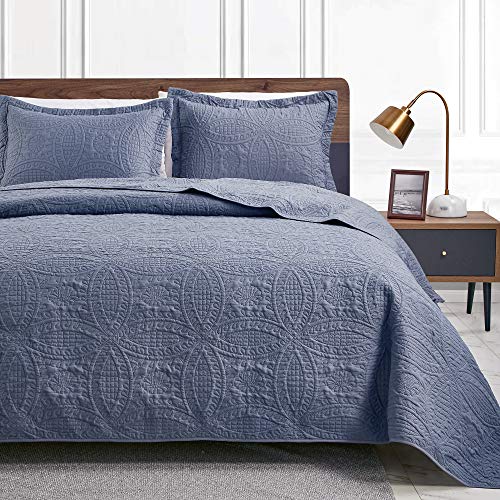
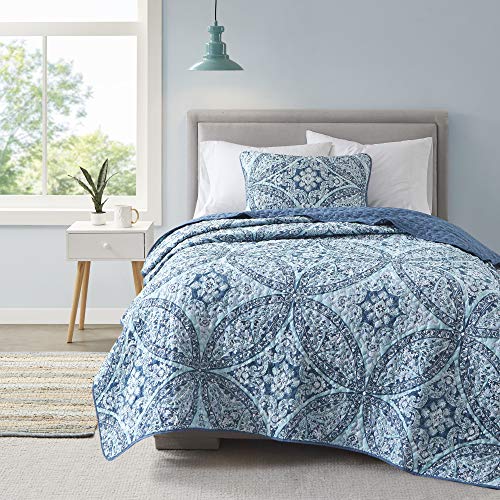
Before comparing materials or styles, it helps to know how these two bedding types differ in construction and purpose. A bedspread is typically a lightweight, quilted cover with a generous drop that reaches toward the floor, often with a tailored or traditional look. Many bedspreads are designed to cover the mattress and pillows in one piece, which makes them popular for guest rooms and quick bed-making.
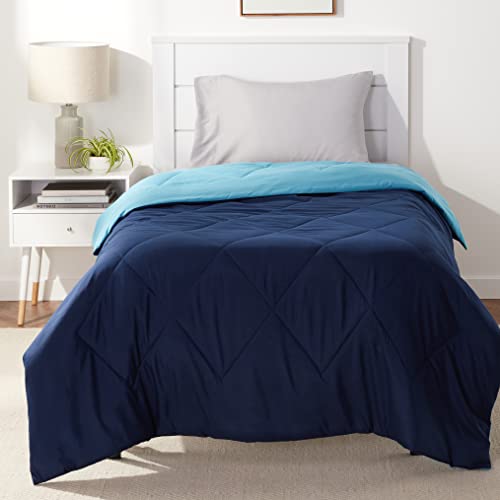
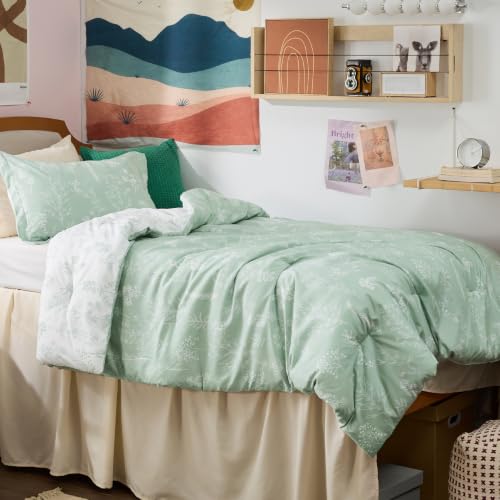
A comforter is a thicker, filled cover that sits on top of sheets and usually leaves the pillows exposed. Comforters are generally warmer and more plush, making them a better fit for cold bedrooms or sleepers who like a heavier layer. In practice, the choice often comes down to how you like your bed to look and how much warmth you need.
| Feature | Bedspread | Comforter |
|---|---|---|
| Typical weight | Lightweight, quilted | Medium to plush fill |
| Coverage style | Often covers pillows and drapes lower | Sits on top of sheets, pillows exposed |
| Best for | Guest rooms, traditional decor, easy bed-making | Cold rooms, layered looks, year-round comfort |
| Maintenance | Usually machine washable | Check fill type; many are machine washable |
| Fit consideration | Check drop length against frame height | Check dimensions against mattress depth |
Getting the Size Right for a Twin Bed
Twin bedding is not one-size-fits-all. The standard twin mattress measures roughly 38 by 75 inches, while a twin XL adds about five inches of length. Beyond the mattress itself, the depth of your mattress and the height of your frame determine how much fabric you need for a clean drape. If you are still comparing frame options, our overview of twin beds and the guide to twin beds and frames explain how frame height affects bedding fit.
For bunk beds, the upper rail and ladder clearance matter as much as the mattress size. A comforter that hangs too low on a top bunk can interfere with the safety rail or get caught in the ladder. Our article on twin comforters for bunk beds covers the specific fit issues that come up in bunk setups, and the twin XL bedspread size guide is useful if your bed uses the longer mattress.
Standard Twin vs. Twin XL
A standard twin bedspread or comforter will fit a twin XL mattress in width but may fall short at the foot end by several inches. If you sleep on a twin XL, whether in a dorm or an adjustable frame, choose bedding labeled for twin XL. Our roundup of twin XL bedspreads and quilts highlights options that drape correctly on the longer mattress, and the twin XL bedspread sets page helps if you want a coordinated look.
Choosing the Right Fill and Warmth Level
Fill determines how warm a comforter feels and how well it holds its shape over time. Down and down-alternative fills offer loft and warmth with relatively low weight, while polyester and cotton blends tend to be more structured and easier to care for. For most households, a mid-range down-alternative comforter offers a good balance of warmth, durability, and washing convenience. Premium fills tend to loft more consistently and resist clumping, while entry-level options are lighter and better suited to warm rooms or seasonal use.
If the bed is used year-round, consider a comforter with a moderate fill weight and add a blanket in winter rather than choosing an overly warm comforter. For guest rooms, a versatile mid-weight option is usually the safest choice because it suits a wider range of sleepers.
Fabric Options and Their Trade-offs
The outer fabric affects how the bedding feels, how it wears, and how easy it is to clean:
- Cotton: Breathable and durable, with a natural feel. Cotton percale feels crisp, while sateen feels smoother. Good for year-round use.
- Microfiber: Soft, wrinkle-resistant, and easy to wash. A solid choice for kids' rooms and high-traffic guest beds.
- Linen blends: Breathable and textured with a relaxed look. Often positioned in the premium tier and valued for temperature regulation.
- Chenille and textured weaves: Traditional and cozy, with a heavier hand. Vintage chenille styles remain popular for cottage and farmhouse looks.
- Velvet and faux-fur accents: Decorative and warm, but often require more careful care. Best used as a top layer rather than the primary cover.
For a coordinated vintage look, see our guide to vintage chenille twin bedspreads and the broader collection of vintage chenille bedspreads. If you prefer something more distinctive, the unique bedspreads and comforters roundup covers statement styles.
Matching Bedding to the Room and Bed Type
The right bedding depends heavily on what the twin bed is used for. A daybed in a living area benefits from a structured bedspread that looks tidy when the bed is used as seating, while a child's bed benefits from washable, durable comforters that tolerate frequent laundering. The twin daybeds for adults guide discusses how bedding choices affect the look of a daybed in a multi-use room.
In small bedrooms, lighter colors and simpler patterns help the room feel larger, and a well-fitted comforter avoids the bulky look that comes from excess fabric. Our twin beds for small rooms article pairs well with this guide if space is your main constraint. For a fully coordinated setup, the twin bedspread sets and twin bedspreads with matching curtains pages show how to tie the bedding into the rest of the room.
If the bed is part of a larger piece, such as a storage bed or a trundle setup, check clearances before buying a long-drop bedspread. The twin beds with trundle bed and twin beds with drawers underneath guides explain how bedding can interfere with pull-out sections. Similarly, a daybed with a back panel may need a shorter drop at the rear.
Practical Tips for Buying and Caring for Twin Bedding
- Measure the mattress depth: A comforter should cover the top and sides without pulling tight. Deep mattresses need a larger cut.
- Check the drop on bedspreads: Measure from the top of the mattress to where you want the fabric to end, then compare with the listed drop.
- Read the care label: Frequent washing is common on kids' beds, so choose machine-washable fabrics and follow the temperature guidance.
- Consider the season: A mid-weight comforter with a breathable shell works for most climates; add a blanket for colder months.
- Allow for shrinkage: Natural fibers may shrink slightly after the first wash, so choose a slightly generous fit if you plan to wash often.
For shoppers who want to see the full range of options, the twin size bedspreads for sale page collects current listings, and the twin bedspreads and comforters category is the starting point for the wider collection.
Common Buying Mistakes to Avoid
Most bedding disappointments come down to fit rather than quality. Buying a standard twin comforter for a twin XL mattress, or choosing a bedspread with a long drop for a bunk bed with a low rail, are the two most frequent errors. A third is overlooking the pillow style: a bedspread designed to cover pillows will look incomplete if you prefer large pillows that exceed the shams. Finally, check whether the comforter is sold alone or as a set, since set contents vary and affect whether you need to buy shams or a bed skirt separately.
Frequently Asked Questions
Can I use a standard twin comforter on a twin XL bed?
It will fit across the width, but it may be several inches short at the foot end, leaving the mattress exposed. Choose twin XL bedding for the best fit.
Is a bedspread or comforter better for a bunk bed?
Comforters are usually easier to manage on bunks because they are lighter and less likely to interfere with rails. Choose a shorter drop on the top bunk for safety.
How often should twin bedding be washed?
For regular use, wash the comforter or bedspread every few weeks, and more often for kids' beds or allergy-sensitive sleepers. Always follow the care label.
What fill is best for year-round comfort?
A mid-weight down-alternative or cotton-blend fill offers a good balance for most climates. Add a blanket in winter rather than choosing an overly warm comforter.