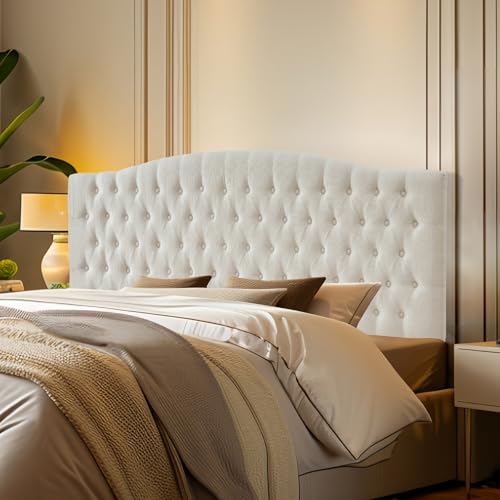
Wall Mounted Headboards for King Size Beds: The Complete Buyer's Guide
Thinking about upgrading your bedroom with a floating headboard? This guide breaks down styles, materials, mounting options, and what to check before you choose a wall mounted headboard for a king size bed.
Why this guide matters: A king size bed takes up serious floor space, and a traditional headboard can make a room feel boxed in. A wall mounted headboard frees up floor area, adds a polished focal point, and works with almost any bed frame. If you are in the research phase, this page will help you compare options with confidence before you buy.
What Is a Wall Mounted Headboard?
A wall mounted headboard is a padded or solid panel that attaches directly to the wall behind your bed instead of bolting onto the bed frame. For king size beds, this approach solves a common problem: standard headboards for king frames are wide, heavy, and often need extra hardware. A wall mounted version hangs independently, so you can position it at the height that suits your mattress and your sleep position.
The concept is simple, but the execution varies widely. Some models use a French cleat system, others rely on metal brackets or adhesive-backed panels. The right choice depends on your wall type, the weight of the headboard, and whether you rent or own your home.
Key Benefits for King Size Beds
Space Efficiency
King beds dominate the room. A wall mounted headboard eliminates the bulky frame attachment and keeps the floor area under the bed clear, which makes the room feel larger.
Flexible Positioning
You can set the headboard at the exact height you want. Tall sleepers and readers often prefer a higher panel, while minimalists may choose a low-profile look.
Works With Any Frame
Adjustable beds, platform beds, and even bed frames without a headboard slot can pair with a wall mounted panel. This is especially useful if you plan to change frames later.
Cleaner Aesthetic
A floating headboard creates a modern, uncluttered look. It is a popular choice for minimalist and Scandinavian-inspired bedrooms where visual calm matters.
Easier Cleaning
With no legs or brackets touching the floor, there is less dust buildup and easier access for vacuuming and mopping around the bed.
Renter-Friendly Options
Some lightweight panels use removable adhesive or tension systems, making them a practical choice for apartments where drilling is limited.
Popular Styles and Materials
The style you choose should match the rest of your bedroom, but it also needs to hold up to daily use. Here is how the main categories compare.
| Tier | Material / Style | Best For |
|---|---|---|
| Essential tier | Upholstered fabric panels (linen, polyester blends) | Soft look, easy maintenance, versatile color matching |
| Mid-tier | Faux leather or performance fabric with foam padding | Durability and a slightly more polished appearance |
| High-end tier | Genuine leather, velvet, or boucle upholstery | Luxury feel and strong visual statement |
| Top-tier | Solid wood, slatted wood, or mixed wood-and-upholstery | Warm, organic bedroom styles and long-term durability |
| Flagship tier | Custom-sized panels with acoustic backing or integrated lighting | Design-forward bedrooms and tailored installations |
For king size beds, width matters. A standard king mattress is 76 inches wide, so your headboard should be at least that wide, ideally a few inches wider for visual balance. Many wall mounted panels come in adjustable widths or can be ordered in custom sizes. If you are also refreshing the rest of the room, our guide to wooden beds in king size pairs well with a natural wood headboard.
Mounting Methods Explained
How the headboard attaches to the wall determines how secure it feels and how easy it is to install. Here are the four main approaches.
- French cleat: A wooden or metal rail system that distributes weight evenly. This is the most common method for medium and heavy headboards and works well on drywall with proper anchors.
- Metal brackets: Often included with upholstered panels. They screw into wall studs and hold the panel flush against the wall.
- Adhesive strips or removable mounting: Suitable for lightweight panels only. Best for renters, but not recommended for heavy king size headboards.
- Standoff mounts: Create a small gap between the panel and the wall, giving a floating effect. These require precise drilling and are best for drywall or masonry with the right hardware.
Before you commit, check your wall construction. Drywall with wooden studs is the most straightforward. Brick, concrete, and plaster walls may need specialty anchors or professional installation. If you are planning a larger bedroom refresh, our bedroom decor guides can help you coordinate the headboard with lighting, rugs, and wall art.
How to Choose the Right Height and Size
For a king size bed, the headboard should extend above the mattress by roughly 20 to 30 inches for a balanced look. If you sit up in bed to read or watch TV, aim for the higher end so your back has proper support. Measure from the top of your mattress, not the floor, because mattress thickness varies.
Width-wise, the headboard should be equal to or slightly wider than the bed frame. A panel that is too narrow can look undersized against a wide king frame. If you are also replacing your mattress, see our guide on when to replace your mattress so you can plan both purchases together.
Installation Checklist
- Confirm the headboard weight and compare it to the load rating of your wall anchors.
- Locate wall studs with a stud finder before drilling.
- Use a level to mark the mounting height; a slightly crooked headboard is very noticeable.
- Have a second person help lift and position the panel, especially for king size widths.
- Check that the bottom edge clears your mattress and bedding by at least a few inches.
- If you rent, confirm with your landlord before drilling into the wall.
Ready to compare options? Browse the recommended wall mounted headboards for king size beds below. Each listing includes key details to help you evaluate fit, material, and mounting style before you decide.
Frequently Asked Questions
Can a wall mounted headboard work with an adjustable bed?
Yes. Because the headboard is attached to the wall rather than the frame, it does not interfere with the articulation of an adjustable bed. Just make sure the panel is positioned high enough that the mattress does not hit it when the head section raises.
Do I need to drill into the wall?
Most wall mounted headboards for king size beds require drilling, especially heavier upholstered or wood panels. Lightweight adhesive-mounted options exist, but they are generally not suitable for large king size panels. Always follow the manufacturer's weight and wall-type guidance.
What is the best material for a king size wall mounted headboard?
Upholstered fabric is the most versatile and comfortable for leaning against. Wood and wood-slat designs offer durability and a natural look. Leather and performance fabrics are strong choices for households that want easy cleaning and a more polished finish.
How wide should a king size headboard be?
A king mattress is 76 inches wide, so choose a headboard that is at least 76 inches wide. A panel that extends a few inches beyond each side of the mattress usually looks the most balanced.
Can I install a wall mounted headboard on a brick or concrete wall?
Yes, but you will need masonry anchors and a hammer drill. If you are not confident with the installation, a professional handyman can mount it safely. Do not use drywall anchors on brick or concrete.