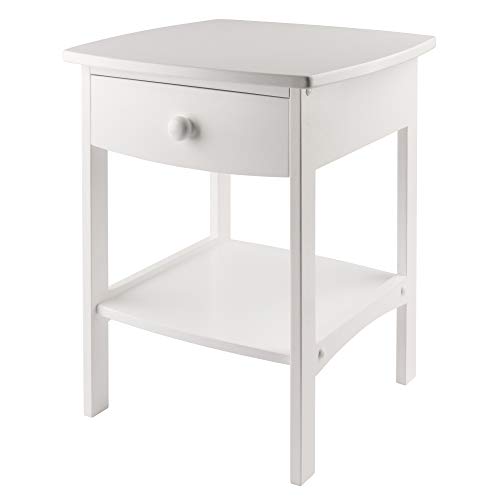
White Bedside Table with Wooden Top: The Complete Buyer's Guide
A white frame paired with a warm wooden surface gives your nightstand a look that is crisp, calm, and effortlessly modern. Here is everything you need to know before choosing one for your bedroom.
Why this combination works: The white base keeps the piece visually light and blends with almost any wall color, while the wooden top adds natural warmth, texture, and a grounded feel. Together they bridge modern and rustic styles, which is why this design appears in so many bedroom setups. If you are still weighing options, our guide to the white and brown bedside table explores the broader color pairing in depth.
What Defines a White Bedside Table with a Wooden Top?
A white bedside table with a wooden top is exactly what the name suggests: a nightstand whose body, legs, or drawer fronts are finished in white, topped with a wood surface in a natural or stained tone. The wood top can be solid timber, wood veneer, or a wood-look laminate, and each option behaves differently in daily use.
The design is popular because it solves a common decorating tension. An all-white nightstand can feel clinical, while an all-wood piece can feel heavy in a small room. Combining the two balances brightness with warmth and gives the eye a natural resting point. It also pairs easily with white bedside tables with drawers if you want more concealed storage in the same visual style.
Quick definition: The "wooden top" refers to the tabletop surface only. The carcass, drawers, and legs remain white. This is different from a fully two-tone cabinet where multiple panels use contrasting finishes.
Materials: What the Wooden Top Is Really Made Of
The top surface is the part you touch, set lamps on, and occasionally spill coffee over, so its material matters more than any other component. Here is how the common options compare.
Solid Wood Tops
Solid oak, rubberwood, pine, and acacia are common choices. These tops can be sanded and refinished if they scratch, and they age with character. They are heavier and generally sit in the mid-range to premium tier. Solid wood expands and contracts with humidity, so avoid placing the table near a radiator or in a damp room.
Wood Veneer Tops
A thin layer of real wood bonded to an engineered core. Veneer gives you the genuine grain appearance of solid timber at a lighter weight and a more accessible position in the market. Quality veneer with a protective finish is durable for normal bedroom use, though deep scratches cannot be sanded out the same way as solid wood.
Engineered and Laminate Tops
These are the most resilient against moisture and daily wear, and they sit in the entry-level tier. The trade-off is that the grain pattern is printed rather than natural, so inspect the surface texture closely if realism matters to you. For a fully painted look with a similar practical finish, see our notes on the white high gloss bedside table.
Quality Tiers at a Glance
Use this table to match the construction quality to your expectations. Tiers describe relative market position and build, not any specific figure.
| Tier | Typical Construction | Best For | Longevity Notes |
|---|---|---|---|
| Entry-level | Laminate or printed wood-look top, engineered board body, basic hardware | Guest rooms, first apartments, rental setups | Moisture-resistant surface, but edges and hardware may show wear sooner |
| Mid-range | Wood veneer top, solid wood legs, soft-close or damped drawer runners | Primary bedrooms, everyday family use | Good balance of appearance and resilience; veneer resists normal knocks |
| Premium | Solid wood top, dovetail or reinforced joinery, premium hardware | Long-term primary bedroom furniture | Refinishable surface; a long-term investment that improves with care |
| Luxury / high-end tier | Selected hardwood top, hand-finished, custom sizing and detailing | Design-led bedrooms and custom interiors | Flagship-tier construction intended to be passed on or reupholstered over time |
Choosing the Right Size for Your Bed
Proportion is the most common mistake buyers make. A nightstand that is too tall competes with the mattress line; one that is too small looks lost beside a wide bed. A reliable rule is to keep the tabletop roughly level with, or slightly below, the top of your mattress.
- Width: Aim for a tabletop at least as wide as the lamp base plus a little breathing room for a phone, book, or glass of water.
- Height: Tabletop within a few inches of the mattress surface keeps everything within comfortable reach while lying down.
- Depth: Deeper tops hold more, but check that the table does not block drawers, doors, or walkways.
- Clearance: Leave enough gap from the bed so you can open drawers without striking the mattress.
If you plan to buy two matching pieces, a coordinated set often keeps symmetry simple. Our overview of white bedside tables set of 2 covers how to match pairs without making the room feel repetitive.
Storage: Drawers, Shelves, and Open Baskets
The wooden top is the display surface, so the storage below should absorb everything else. Think about what actually lives on and in your nightstand: a lamp, a charging cable, reading glasses, medication, a book, maybe a sleep mask.
One or Two Drawers
A single drawer keeps the essentials hidden and the silhouette clean. Two drawers suit people who like separated compartments for personal items. Drawer runners matter here, since a soft-close or damped runner makes a noticeable difference in daily feel. For a clean-lined option, the white one drawer bedside table is a good reference point.
Open Shelving and Baskets
An open cubby with a woven basket is ideal for items you want accessible but tidy. This setup works especially well in smaller rooms because it keeps the visual weight low. If this layout appeals to you, our guide to the white bedside table with basket explains how to combine open storage with a clean look.
Combined Storage
Some designs mix a drawer with an open shelf, which suits a mix of hidden and visible items. Broader storage needs may push you toward a taller piece, and the white bedside table with storage comparison covers the taller variants.
Placement, Lighting, and Practical Details
Once the size and storage are settled, a few practical choices decide whether the piece feels well integrated.
- Symmetry: For a centered bed, two matching nightstands create calm. For an off-center or single nightstand, one slightly larger piece can anchor the corner.
- Wall color: White bases sit comfortably against pale walls, and the wooden top keeps the pairing from feeling flat. Against dark walls, the white frame creates useful contrast.
- Lighting: A table lamp with a warm bulb is the classic companion. If floor space is tight, a wall-mounted reading light frees the entire tabletop.
- Cable management: Charging cables are the most common clutter source. A small tray or a discreet cable clip keeps the wooden top clear.
- Moisture care: Wipe spills promptly, especially on veneer and solid wood tops, and use a coaster for drinks.
If you are furnishing the room from scratch, pair the nightstand choice with a considered layout. Our bedroom decor guides cover how lighting, rugs, and storage work together around the bed.
Styling the Wooden Top Without Clutter
The wooden top is the visual anchor, so it needs a little restraint. A simple formula is one functional item, one decorative item, and one personal touch.
- Lighting: A ceramic or metal lamp with a fabric shade softens the wood tone.
- Rest: A small tray for glasses, a book, and a sleep mask keeps loose items grouped.
- Texture: A single small plant, a stoneware dish, or a folded cloth adds warmth without competing.
- Discipline: Treat the top as a display surface, not a storage shelf. Everything else belongs in the drawer.
Wood tones vary from pale ash to deep walnut, and the surrounding materials should respond to that tone. Pale tops pair naturally with linens and light woods, while deeper tops hold their own beside leather and metal accents.
Durability and Long-Term Care
A bedside table takes constant small contact: a lamp base resting on the top, a glass of water, a phone sliding across the surface. Protective finishes are the first line of defense. Look for a sealed or lacquered top if you want lower maintenance, and keep the piece out of direct afternoon sun to slow color shift in natural wood.
Solid wood and quality veneer respond well to occasional conditioning with a wood-safe product. Laminate tops need only a soft cloth. Avoid abrasive cleaners on any finished wood surface, as they dull the sheen and can strip protective layers.
If you like the idea of natural materials throughout the room, matching the nightstand to a broader furniture scheme is worth planning. Our guides on wooden floating bedside tables and wood and marble bedside tables show how wood tones connect across different furniture styles.
How It Compares to Other Nightstand Styles
Understanding the alternatives helps confirm whether this is the right choice for your room.
- All-white nightstands: Visually lighter but can feel flat in a minimal room; less natural texture.
- All-wood nightstands: Warmer but heavier in small spaces; can crowd a pale, airy bedroom.
- White with wooden top: A middle path that keeps the room bright while adding a natural focal surface.
- White with basket or open storage: Better for visible, frequently used items; less concealed storage.
If you are undecided between finishes, browsing the white and brown bedside table category gives a wider view of the two-tone approach before committing.
A Practical Buying Checklist
Before you confirm a purchase, run through these points. They catch the most common sources of regret.
- Measure the space beside your bed, including clearance for drawers and doors.
- Check the tabletop height against your mattress height.
- Confirm the top material and whether it is sealed or finished.
- Inspect drawer hardware quality and runner type if drawers are included.
- Verify assembly requirements and whether tools are included.
- Check the finish against your existing bed frame and flooring.
- Consider whether the top will hold your lamp securely without overhang.
Ready to Compare Your Options?
Browse a curated selection of white bedside tables with wooden tops and see the construction details, storage layouts, and finishes side by side.
Explore OptionsFrequently Asked Questions
Is a wooden top on a white nightstand durable for daily use?
Yes, provided it is sealed or lacquered. Solid wood and quality veneer handle normal bedroom use well. Use a coaster for drinks and wipe spills promptly to protect the finish.
How tall should a bedside table be next to a standard bed?
Aim for a tabletop roughly level with, or slightly below, the mattress surface. This keeps the lamp, phone, and water within easy reach while lying down.
Can I use a white bedside table with a wooden top in a small bedroom?
Absolutely. The white base reflects light and keeps the piece visually light, while the wood top adds warmth without darkness. A narrow one-drawer model is usually the best fit.
What if the wooden top gets scratched?
Solid wood can often be sanded and refinished. Veneer can sometimes be touched up with a matching stain pen, but deep damage is harder to repair. Laminate tops generally cannot be repaired and are better protected from the start.
Do I need two matching nightstands?
For a centered bed, matching pairs create visual calm. For an off-center bed or a small room, a single well-chosen piece is perfectly acceptable and often more practical.