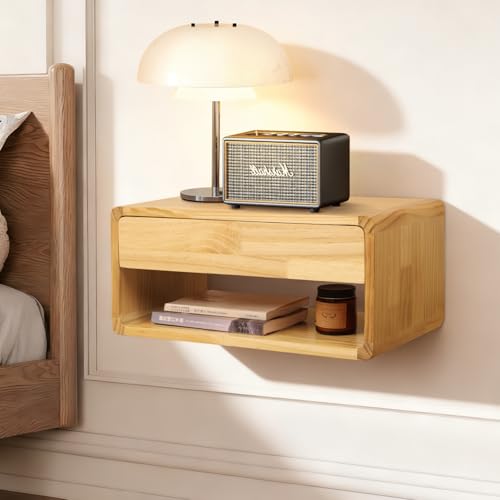
Wooden Floating Bedside Table: The Complete Buyer's Guide
Everything you need to know about choosing a wall-mounted wooden nightstand that combines style, function, and space-saving design for your bedroom.
Explore the GuideWhy consider a wooden floating bedside table? A wall-mounted nightstand instantly modernizes your bedroom while freeing up valuable floor space. Unlike traditional bedside tables, a floating design creates a clean, airy look that works beautifully in compact apartments, minimalist interiors, and contemporary bedrooms. This guide walks you through materials, mounting systems, sizing, style considerations, and practical tips so you can make a confident purchase decision.
What Is a Wooden Floating Bedside Table?
A wooden floating bedside table is a wall-mounted nightstand crafted from solid wood, engineered wood, or wood veneer that attaches directly to the wall without legs. The absence of legs gives it a "floating" appearance and eliminates floor clutter, making the room feel larger and easier to clean.
These tables typically feature one or two drawers, an open shelf, or a combination of both. Some models include hidden compartments or cable management cutouts for charging devices. The wall-mounted design also allows you to position the table at the ideal height relative to your mattress, improving ergonomics and accessibility.
Because they are anchored to the wall, floating bedside tables are particularly well-suited for bedrooms where floor space is at a premium. They pair well with platform beds, adjustable bed frames, and low-profile mattresses. If you're also exploring other bedside table styles, you might compare this design with a walnut bedside cabinet or a white bedside table with drawers to see which fits your bedroom layout best.
Key Benefits of a Floating Wooden Nightstand
Choosing a wall-mounted wooden bedside table comes with several practical and aesthetic advantages:
- Space-saving design: No floor footprint means more room for walking, storage, or decorative elements. Ideal for small bedrooms and studio apartments.
- Modern aesthetic: The floating look creates a clean, uncluttered visual that complements contemporary, minimalist, and Scandinavian bedroom styles.
- Easy floor cleaning: Without legs to navigate around, sweeping, vacuuming, and mopping become effortless.
- Customizable height: You can install the table at the perfect height for your mattress and reach, unlike fixed-leg nightstands.
- Improved safety: No sharp corners at floor level and fewer tripping hazards, which is especially beneficial in households with children.
- Design flexibility: Floating tables can be installed asymmetrically or paired with wall shelves for a personalized look. Explore wall shelves to complement your floating nightstand setup.
Pros and Cons at a Glance
Pros
- Frees up floor space
- Modern, minimalist appearance
- Easy to clean underneath
- Adjustable installation height
- No legs to stub toes on
- Pairs well with platform beds
Cons
- Requires secure wall mounting
- Weight capacity limited by wall type
- Installation can be involved
- Less portable if you rearrange furniture
- Not ideal for renters who cannot drill walls
Wood Materials: What to Look For
The material of your floating bedside table affects durability, appearance, and long-term performance. Here are the most common wood options:
Solid Wood
Solid wood offers the best durability and a natural grain pattern that ages beautifully. Oak, walnut, maple, and pine are popular choices. Solid wood tables are typically in the premium to luxury tier and represent a long-term investment. They can be sanded and refinished if damaged, extending their lifespan significantly.
Engineered Wood (MDF and Particleboard)
Engineered wood is more consistent in texture and often finished with wood veneer or laminate. These models are typically entry-level to mid-range and offer good value for their tier. They are lighter and easier to mount but may be less resistant to moisture and impact than solid wood.
Wood Veneer
Veneer uses a thin layer of real wood over a manufactured core. It provides the look of solid wood at a mid-range position while keeping weight manageable. Quality veneer tables can look nearly indistinguishable from solid wood and offer a competitive option within their class.
Plywood
Plywood is strong, stable, and resistant to warping. Many high-quality floating tables use plywood cores with hardwood veneers. This construction is well-specified for the category and offers excellent structural integrity for wall-mounted applications.
Whichever material you choose, check that the finish is moisture-resistant and that edges are properly sealed. For a different aesthetic, you might also consider a wood and marble bedside table that combines wood warmth with stone elegance.
Mounting Systems Explained
The safety and stability of a floating bedside table depend heavily on its mounting system. Here are the most common types:
- French cleat: A beveled bracket system that distributes weight evenly across the wall. It is strong, reliable, and allows for easy removal if needed. Most premium wall-mounted nightstands use this system.
- Hidden metal bracket: A steel bracket that attaches to wall studs and supports the table from underneath. This offers a clean look with excellent weight capacity.
- Z-clip or keyhole hanger: Common in lighter entry-level models. Suitable for small tables holding light items, but not ideal for heavier loads.
- Adjustable rail system: Some high-end models feature a rail that allows you to slide and reposition the table horizontally. This is a top-tier feature for design flexibility.
Regardless of the system, always anchor into wall studs whenever possible. Drywall anchors can work for lighter loads, but stud mounting is the gold standard for safety. If you are unsure about your wall type, consult a professional installer.
Sizing and Placement Guide
Getting the size and placement right is crucial for both function and aesthetics. Consider these guidelines:
| Consideration | Recommendation | Best For |
|---|---|---|
| Width | 18–24 inches (45–60 cm) | Standard bedrooms; fits a lamp, book, and phone |
| Depth | 12–16 inches (30–40 cm) | Compact spaces; prevents obstruction of walkways |
| Height above mattress | 2–6 inches above mattress top | Easy reach while lying in bed |
| Clearance from bed | 2–4 inches gap | Prevents collision and allows easy access |
| Weight capacity | 20–50 lbs depending on mounting | Holds lamp, books, electronics safely |
Measure your mattress height and bed frame before installation. If you have an adjustable bed, ensure the floating table is positioned so it does not interfere with the bed's movement. For more inspiration on coordinating furniture, browse wooden bed frames and wooden bedside bench options that pair naturally with a floating nightstand.
Style and Design Considerations
A wooden floating bedside table can be styled to match virtually any bedroom aesthetic:
Minimalist and Scandinavian
Choose a light wood tone like birch, ash, or white oak with clean lines and no visible hardware. Pair with a low platform bed and neutral bedding for a calm, airy feel. If you prefer a white finish, a white bedside table with wooden top offers a fresh contrast.
Modern and Contemporary
Darker woods like walnut or espresso pair well with metal accents and sleek handles. Look for models with integrated charging ports or cable management for a tech-friendly setup. A white bedside table with charging station is a practical alternative if you prefer a lighter finish with modern features.
Rustic and Farmhouse
Reclaimed wood or distressed finishes add warmth and character. Pair with wrought iron or natural fiber accents. For a coordinated look, consider a wooden 3 drawer bedside table that offers generous storage with rustic charm.
Mid-Century Modern
Tapered edges, warm wood tones, and minimalist handles define this style. A white mid-century bedside table can serve as a complementary piece if you want to mix finishes.
Floating tables also work beautifully in pairs, especially in guest rooms or master suites. Symmetry creates a balanced, hotel-like feel. If you need matching pieces, a white bedside tables set of 2 might be a practical option, though floating models are typically sold individually.
Installation Tips and Best Practices
Proper installation is critical for safety and longevity. Follow these guidelines:
- Locate wall studs: Use a stud finder to identify the center of each stud. Mark the positions with a pencil.
- Check your wall type: Drywall, plaster, brick, and concrete require different anchors. Brick and concrete need masonry bits and anchors.
- Use a level: A floating table that is slightly off-level will be noticeable. Use a spirit level during marking and installation.
- Follow the manufacturer's template: Most quality tables include a paper template for drilling holes at the correct spacing.
- Secure to studs whenever possible: For heavy tables or those holding electronics, stud mounting is strongly recommended.
- Consider professional installation: If you are unsure about your wall structure or the table is particularly heavy, hire a professional.
If you are also installing a headboard, ensure there is adequate clearance between the headboard and the floating table. A wall-mounted headboard for king size beds can be a great pairing, but plan the layout carefully to avoid overlap.
Floating vs. Traditional Bedside Tables
How does a wooden floating bedside table compare to other nightstand styles? Here is a quick comparison:
| Feature | Floating Wooden Table | Traditional Legged Table | Pedestal Table |
|---|---|---|---|
| Floor space | None (wall-mounted) | Occupies floor area | Occupies floor area |
| Installation | Requires wall mounting | Place and use | Place and use |
| Portability | Low (fixed to wall) | High | Moderate |
| Cleaning ease | Very easy | Moderate | Moderate |
| Best for | Small rooms, modern interiors | Flexible layouts | Classic and transitional styles |
If you prefer a traditional look with storage, a white pedestal bedside table or a white bedside table with storage may be more suitable. For a vintage feel, consider an antique bedside table.
Ready to upgrade your bedroom with a space-saving wooden floating bedside table? Explore our curated selection of top-rated options.
View Recommended ProductsQuick Buying Checklist
Before purchasing a wooden floating bedside table, run through this checklist:
- Measure your space: Confirm the width, depth, and height clearance relative to your mattress and wall.
- Check the wall type: Ensure your wall can support the table and that you have the right anchors or stud access.
- Decide on material: Solid wood for durability, engineered wood for value, veneer for a balance of both.
- Choose a mounting system: French cleat and hidden brackets offer the best stability.
- Consider storage needs: One drawer, two drawers, or open shelf? Match to your nightly essentials.
- Plan for cables: If you charge devices at night, look for cable management features.
- Coordinate with existing furniture: Match wood tones with your bed frame, dresser, and other bedroom pieces. Explore white bedside table assembled options if you prefer a ready-to-use design.
- Verify weight limits: Ensure the table can hold your lamp, books, and electronics safely.
Frequently Asked Questions
What is a wooden floating bedside table?
A wooden floating bedside table is a wall-mounted nightstand made from wood or wood-based materials that attaches directly to the wall without legs. It creates a clean, modern look and frees up floor space, making it ideal for smaller bedrooms or minimalist interiors.
How much weight can a floating bedside table hold?
Weight capacity depends on the mounting hardware and wall type. When installed into wall studs or with proper heavy-duty anchors, most quality floating bedside tables can safely hold everyday items like lamps, books, and electronics. Always follow the manufacturer's installation instructions and weight limits for safe use.
Do floating bedside tables require special installation?
Yes, they require secure wall mounting. Most models include a hidden bracket or French cleat system that attaches to wall studs. Installation typically requires basic tools, a level, and a stud finder. For drywall without studs, heavy-duty toggle anchors may be necessary, and professional installation is recommended for heavier models.
Are wooden floating bedside tables suitable for small bedrooms?
Absolutely. Their wall-mounted design eliminates floor footprint, making them an excellent choice for compact bedrooms, apartments, and spaces where floor area is limited. They also make cleaning floors easier and create a visually open, airy feel.
How do I maintain a wooden floating bedside table?
Dust regularly with a soft cloth, avoid prolonged exposure to direct sunlight, and wipe spills promptly. For solid wood models, occasional application of furniture wax or oil helps preserve the finish. Keep the table away from excessive moisture and humidity to prevent warping or cracking.
Find the perfect wooden floating bedside table to complete your bedroom setup. Browse our recommended options below.
See Top Picks