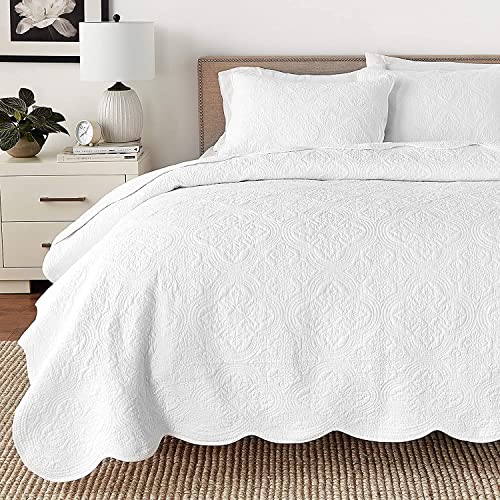
White King Matelasse Bedspread: The Complete Buying Guide
Everything you need to know about texture, sizing, layering, and long-term care before choosing a white king matelasse bedspread for your bedroom.
Explore Buying FactorsA white king matelasse bedspread is one of the most versatile bedding pieces you can add to a master bedroom. Its raised, quilted texture gives visual depth without introducing heavy patterns, while the crisp white tone layers cleanly over almost any color scheme. If you have been researching this category, you likely already know you want a matelasse bedspread in king size — what you need now is a clear understanding of what separates a well-made piece from an ordinary one.
This guide walks you through the construction of matelasse fabric, how a king bedspread should fit, the layering combinations that work best, and the practical care routines that keep the texture looking sharp for years. By the end, you should feel confident comparing options and choosing the bedspread that matches your bedroom and your sleep habits.
What Matelasse Actually Is
Matelasse is a woven fabric that creates a quilted, padded appearance without the need for a separate filling layer stitched between two sheets of fabric. The texture is produced on the loom itself, where extra yarns are woven in to form raised patterns — often floral, diamond, or geometric motifs. The result is a bedspread that feels softly structured, drapes well, and adds dimension to a bed without the bulk of a traditional comforter.
Because matelasse is woven rather than quilted, the pattern is integral to the fabric. That construction detail matters for two reasons. First, the texture tends to hold up better through repeated washing compared with stitched quilting that can pull or pucker. Second, a matelasse bedspread is generally lighter and more breathable than a filled comforter, making it a strong choice for year-round layering.
Matelasse versus quilts and comforters
If you are comparing options, it helps to separate the three categories clearly:
- Matelasse bedspread: woven texture, no loose filling, lighter weight, often used as a top layer or standalone cover.
- Quilt: two fabric layers with batting stitched through, usually warmer and more casual in appearance.
- Comforter: filled and puffy, the warmest option, typically paired with a duvet cover or used on its own in cooler bedrooms.
For a white king bed, a matelasse bedspread is often the most flexible of the three. It works as the primary cover in warmer months and as a textured middle layer in cooler months when you add a duvet or blanket on top.
Quick tip: A white matelasse bedspread reads as “hotel crisp” when pressed and “cozy cottage” when slightly rumpled. The same piece can shift the mood of a bedroom depending on how you style and iron it.
Why a White King-Size Bedspread Works So Well
White bedding is a deliberate design choice, and a king-size matelasse bedspread amplifies its benefits. On a king bed, the large surface area gives the texture room to show. A smaller bed can make a matelasse pattern look busy; a king bed lets the raised motif read as an elegant, subtle detail.
There are several practical reasons white king matelasse bedspreads remain a popular category:
- Color flexibility: White layers cleanly under colored throws, patterned pillows, and accent blankets. It does not compete with your existing decor.
- Perceived cleanliness: White bedding can be washed with bleach alternatives and is easy to inspect for freshness, which many sleepers prefer.
- Texture over pattern: Matelasse gives visual interest through shadow and relief rather than print, which keeps the bedroom calm and restful.
- Seasonal versatility: The same white bedspread works in summer as a light cover and in winter as a textured base layer under a duvet.
If your bedroom leans toward a softer, more layered look, a white matelasse bedspread pairs naturally with California king white bedspread styling ideas and other light-toned bedding. For rooms where you want to introduce contrast, a grey bedspread or a sage green bedspread can serve as an accent layer over the white base.
Getting the King Size Right
The single most common disappointment with bedspreads is fit. A king mattress is typically 76 inches wide by 80 inches long, and a bedspread needs to extend beyond those dimensions to drape properly on all three visible sides. The amount of overhang you want depends on your bed height and whether you prefer a tailored or relaxed look.
Standard king bedspread dimensions
Most king bedspreads are designed with a drop that covers the mattress and part of the bed frame. A typical king bedspread measures around 102 to 108 inches wide and 100 to 108 inches long. If you have a thick mattress or an adjustable base, check the drop measurement carefully rather than assuming the standard size will work.
| Fit Consideration | What to Check | Best For |
|---|---|---|
| Drop length | Distance from top of mattress to bottom of bedspread | Beds with visible frames or storage underneath |
| Mattress thickness | Deep mattresses may need a longer drop | Pillow-top and hybrid mattresses |
| Pillow tuck | Whether you want to tuck pillows under the bedspread | Traditional, tailored bedroom styles |
| Adjustable base | Flexible fabric and extra length for articulation | Adjustable and split king beds |
If you sleep on an adjustable base, review bedding made for split king adjustable beds before committing to a standard king bedspread. Similarly, if your bed sits unusually high, consider an oversized bedspread so the drop reaches the frame rather than stopping mid-mattress.
How to Judge Matelasse Quality
Matelasse bedspreads sit at different points in the market, and the differences show up in the weave density, yarn quality, and finishing. You do not need a technical background to evaluate them — a few focused checks will tell you most of what you need to know.
Weave and hand-feel
Run your hand across the surface. A well-made matelasse has a firm, even texture with no thin or flat patches. The raised pattern should feel consistent across the entire bedspread. If the fabric feels stiff in a way that suggests heavy sizing rather than quality yarn, it may soften unevenly after washing.
Fiber content
Cotton matelasse is the most common and generally the most breathable. Cotton-rich blends can improve wrinkle resistance but may feel less crisp. Pure cotton tends to soften with each wash, which many sleepers consider a benefit. If you prefer a smoother, more polished hand-feel, look for combed or long-staple cotton descriptions.
Finishing details
- Hem quality: Check for straight, securely stitched hems. A clean hem signals careful construction.
- Pattern alignment: The matelasse motif should align cleanly at the center and edges, not drift or distort.
- Color consistency: White should be even across the entire piece, with no yellowing or shadowing at the folds.
- Weight: A bedspread that feels substantial without being heavy usually indicates denser weaving and better durability.
For a broader look at textured white bedding across sizes, the white cotton matelasse bedspread guide and the white cotton chenille bedspread overview can help you compare weave styles side by side.
Layering and Styling a White Matelasse Bedspread
One of the strongest arguments for a white matelasse king bedspread is how well it layers. The texture gives you something to build on without forcing a color scheme. A few combinations that work consistently well:
The crisp hotel look
Use the white matelasse bedspread as the top layer over white sheets, then add two or three pillows in the same tone. A folded blanket at the foot of the bed adds a subtle band of color. This approach works best in modern and transitional bedrooms where clean lines matter.
The layered neutral look
Place the matelasse bedspread over a duvet or quilt in a soft neutral, then add textured throw pillows and a knit throw. The white top layer keeps the bed from feeling heavy while the lower layers add warmth and depth. This is a strong choice for small bedroom decor because the light top layer keeps the room feeling open.
The contrast look
Pair the white bedspread with a darker bed skirt or a colored accent blanket. A white king bedskirt with an 18-inch drop keeps the base consistent, while a colored throw introduces contrast. If you prefer a stronger statement, consider bedding sets such as a black and gold bedspread set or a blue and white floral bedspread as an alternative direction.
For more white-on-white layering options, the white queen bedspread set guide covers coordinated sets, and the California king bedspreads and comforters overview explains how to combine matelasse with a comforter for colder months.
Styling note: A matelasse bedspread looks best when it is allowed to drape rather than pulled tight. Let the corners fall naturally and avoid over-tucking, which flattens the raised pattern.
Care and Longevity
Matelasse is a durable weave, but it rewards consistent care. The following routine keeps a white king matelasse bedspread looking fresh without accelerating wear:
- Read the care label first. Most cotton matelasse is machine washable, but temperature and drying recommendations vary by manufacturer.
- Wash in cold or lukewarm water. Hot water can shrink cotton and dull the white tone over time.
- Use a gentle cycle. The raised pattern benefits from reduced agitation.
- Avoid overloading the machine. A king bedspread needs room to move; a commercial-size washer is often necessary.
- Tumble dry low or line dry. Remove promptly to minimize wrinkles and preserve the texture.
- Spot clean promptly. White bedding shows marks quickly, and early treatment prevents set-in stains.
If your bedspread is part of a larger bedding rotation, store it clean and fully dry between seasons. Fold rather than hang for long periods, since hanging can stretch the weave. For related care advice, see the California king cotton bedspread guide, which covers cotton-specific washing and drying considerations.
Key Buying Factors Before You Decide
When you are comparing white king matelasse bedspreads, organize your evaluation around the factors that actually affect daily use. The table below summarizes what to prioritize and why.
| Factor | What to Look For | Why It Matters |
|---|---|---|
| Fabric content | Cotton or cotton-rich blends | Breathability, softness, and wash durability |
| Weave density | Even, raised pattern with no flat patches | Visual texture and long-term shape retention |
| Dimensions | King-specific width and length with adequate drop | Proper drape and coverage on a king mattress |
| Hem and finish | Straight stitching, secure edges | Durability through repeated washing |
| Care requirements | Machine washable, low-maintenance drying | Practicality for regular household use |
| Tier positioning | Entry-level, mid-range, or premium construction | Expected longevity and finish quality |
In terms of tier positioning, entry-level matelasse bedspreads typically use lighter weaving and simpler finishing. Mid-range options usually offer denser weaving and more consistent pattern alignment. Premium and luxury matelasse bedspreads tend to use long-staple cotton, tighter weave density, and more careful hem finishing. Each tier represents a different balance of durability and hand-feel rather than a judgment about which is “right” — the best choice depends on how heavily the bedspread will be used and how long you expect it to last.
If you are also refreshing the wider bedding set, the luxury king bedspreads guide and the king-size seersucker bedspreads overview offer useful comparisons for texture and drape. For rooms where you want to coordinate the bed with the rest of the furniture, master bedroom bedside tables can help you build a cohesive look around the white bedspread.
Ready to Compare Options?
Browse recommended white king matelasse bedspreads and related bedding selections to find the texture, fit, and tier that match your bedroom.
View Recommended ProductsFrequently Asked Questions
What is the difference between matelasse and a quilted bedspread?
Matelasse is woven with raised texture built into the fabric on the loom, so there is no separate filling layer. A quilted bedspread uses stitching to hold a filling between two fabric layers. Matelasse tends to be lighter and more breathable, while quilted bedspreads are generally warmer.
Can a white king matelasse bedspread be used year-round?
Yes. In warmer months it can serve as the primary cover. In cooler months, it works well as a textured layer under a duvet or blanket. Its lighter weight makes it more adaptable than a filled comforter.
How do I choose the right size for a king bed?
Check the bedspread’s width and length against your mattress dimensions and decide how much drop you want. A king mattress is typically 76 by 80 inches, and a bedspread should extend beyond that on all three visible sides. Measure your mattress thickness and bed height before comparing listings.
Will a matelasse bedspread shrink after washing?
Cotton matelasse can shrink slightly, especially with hot water and high-heat drying. Washing in cold or lukewarm water and tumble drying on low helps minimize shrinkage. Always follow the manufacturer’s care label.
How do I keep a white matelasse bedspread looking bright?
Wash regularly with a gentle detergent, treat spots promptly, and avoid prolonged exposure to direct sunlight. Store the bedspread clean and fully dry between seasons. Following the care label prevents yellowing and dulling over time.
Does matelasse work on an adjustable bed?
It can, provided the bedspread has enough length and flexibility for the base to articulate. Look for bedding designed for adjustable bases, or choose a slightly larger size to accommodate movement. For split king setups, review bedding made for split king adjustable beds.